When it comes to vehicle maintenance, we often find ourselves overlooking the subtle signs that indicate something may be amiss. Recognizing these warning signs is crucial for ensuring our safety on the road and prolonging the life of our vehicle. For instance, unusual noises such as grinding, squeaking, or knocking can signal a variety of issues, from worn-out brake pads to engine troubles.
We should pay close attention to these sounds, as they often serve as our vehicle’s way of communicating its needs. Ignoring them can lead to more significant problems down the line, potentially resulting in costly repairs or even dangerous situations. In addition to sounds, we must also be vigilant about visual cues.
Dashboard warning lights are designed to alert us to potential issues, and we should never dismiss them lightly. A check engine light, for example, could indicate anything from a loose gas cap to a serious engine malfunction. Similarly, we should be aware of any changes in our vehicle’s performance, such as difficulty starting, stalling, or a decrease in fuel efficiency.
By being proactive and attentive to these warning signs, we can address issues early on and maintain our vehicle’s reliability and safety.
- Understanding the warning signs is crucial for identifying potential car issues early on.
- Regularly checking fluid levels and tire pressure can prevent major problems and ensure safety on the road.
- Inspecting the battery and electrical system is important for avoiding unexpected breakdowns.
- Assessing the brakes and steering is essential for maintaining control and preventing accidents.
- Examining the engine and transmission can help catch issues before they become costly repairs.
- Addressing common electrical issues promptly can prevent further damage to the car’s systems.
- Troubleshooting heating and cooling problems is important for comfort and safety while driving.
- Seeking professional help when necessary can prevent further damage and ensure proper repairs.
Checking Fluid Levels and Tire Pressure
Fluid Levels: The Lifeblood of Your Vehicle
Regularly checking fluid levels is a crucial aspect of vehicle maintenance. It’s essential to inspect engine oil, coolant, brake fluid, transmission fluid, and windshield washer fluid at least once a month. Each of these fluids plays a vital role in your vehicle’s operation, and neglecting them can lead to severe consequences. For instance, low engine oil can cause severe engine damage, while insufficient coolant can lead to overheating.
Tire Pressure: The Unsung Hero of Vehicle Performance
Tire pressure is another critical factor that should not be overlooked. Properly inflated tires contribute to better fuel efficiency, improved handling, and enhanced safety. It’s essential to check tire pressure regularly, especially before long trips or when the seasons change. Fluctuations in temperature can significantly affect tire pressure; for example, cold weather can cause tires to lose air.
The Benefits of Regular Maintenance
By ensuring that fluids are at the appropriate levels and tires are properly inflated, you can help prevent breakdowns and extend the life of your vehicle. Regular maintenance not only ensures a smoother ride but also reduces the risk of tire blowouts and improves overall vehicle performance. Make it a habit to prioritize your vehicle’s maintenance, and you’ll be rewarded with a safe and reliable ride.
Inspecting the Battery and Electrical System
The battery and electrical system are essential components of our vehicle that require regular inspection. A weak or failing battery can leave us stranded, so we should routinely check for signs of corrosion on battery terminals and ensure that connections are secure. Additionally, we should be aware of the age of our battery; most batteries last between three to five years.
If we notice any dimming lights or difficulty starting the engine, it may be time to have the battery tested or replaced. Beyond the battery itself, we must also consider the overall electrical system of our vehicle. This includes checking fuses, wiring, and connections for any signs of wear or damage.
A malfunctioning electrical system can lead to various issues, from non-functioning headlights to problems with power windows or locks. By taking the time to inspect these components regularly, we can identify potential problems before they escalate into more significant issues that could compromise our safety on the road.
Assessing the Brakes and Steering
The braking system is one of the most critical safety features in our vehicles, and regular assessment is essential for ensuring optimal performance. We should be attentive to any changes in how our brakes feel; for instance, if we notice a spongy pedal or hear grinding noises when applying the brakes, it may indicate worn brake pads or other issues that require immediate attention. Additionally, we should check the brake fluid level and look for any leaks around the brake lines or calipers.
Steering is another vital aspect of vehicle control that we must not neglect. If we experience any difficulty steering or notice that our vehicle pulls to one side while driving, it could indicate alignment issues or problems with the steering system itself. Regularly inspecting the steering components, such as tie rods and power steering fluid levels, can help us maintain proper handling and prevent accidents caused by steering failure.
By prioritizing brake and steering assessments, we can ensure a safer driving experience for ourselves and others on the road.
Examining the Engine and Transmission
The engine and transmission are often considered the heart of our vehicle, and regular examination is crucial for maintaining their health. We should familiarize ourselves with basic engine components and look for any signs of leaks or unusual noises while the engine is running. Checking the oil level and condition is also essential; dirty or low oil can lead to severe engine damage over time.
If we notice any warning lights related to the engine on our dashboard, it’s imperative that we address them promptly. Transmission issues can be equally problematic if left unchecked. We should pay attention to how smoothly our vehicle shifts gears; any hesitation or slipping could indicate a problem with the transmission fluid or internal components.
Regularly checking the transmission fluid level and condition is vital for ensuring smooth operation. If we experience any unusual behavior from our transmission, such as grinding noises or delayed engagement when shifting gears, seeking professional assistance is advisable to prevent further damage.
Addressing Common Electrical Issues
Blown Fuses: A Common Culprit
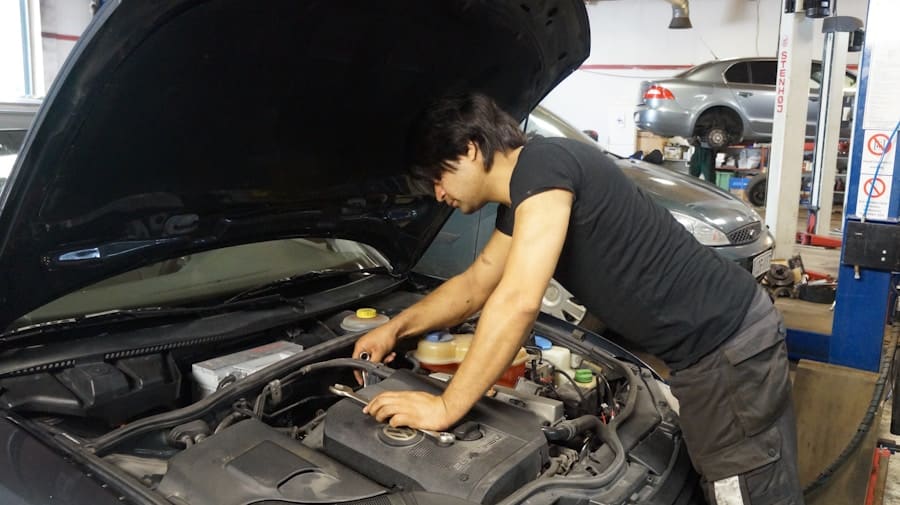
One frequent issue is blown fuses, which can disrupt various electrical systems in our vehicle. We should familiarize ourselves with our vehicle’s fuse box location and keep spare fuses on hand for quick replacements when necessary. Additionally, if we notice that certain electrical components are malfunctioning—such as lights or power windows—we should investigate whether a blown fuse is the culprit before delving into more complex diagnostics.
Battery Drainage: Identifying the Cause
Another common electrical issue involves battery drainage. If we find that our battery frequently dies or struggles to hold a charge, it may be due to parasitic drain from accessories left on or malfunctioning components like alternators. We should ensure that all lights are turned off when exiting the vehicle and consider having an electrician test the alternator’s output if battery issues persist.
Proactive Maintenance for a Reliable Electrical System
By addressing these common electrical problems proactively, we can maintain a reliable electrical system in our vehicles. By taking simple steps to identify and address blown fuses and battery drainage, we can avoid more complex and costly repairs down the line.
Troubleshooting Heating and Cooling Problems
Heating and cooling systems play a vital role in our comfort while driving, but they can also present challenges if not functioning correctly. If we notice that our vehicle’s heater is blowing cold air during winter months or that the air conditioning isn’t cooling effectively during summer, it’s essential to troubleshoot these issues promptly. We should start by checking coolant levels; low coolant can lead to inadequate heating or cooling performance.
Additionally, inspecting hoses for leaks or blockages can help us identify potential problems. Another common issue involves the cabin air filter, which can become clogged over time and restrict airflow through the heating and cooling system. Replacing this filter regularly can improve air quality inside the vehicle while enhancing heating and cooling efficiency.
If we continue to experience problems after checking these components, it may be necessary to consult a professional technician who can diagnose more complex issues within the heating and cooling system.
Seeking Professional Help when Necessary
While many maintenance tasks can be performed by ourselves, there are times when seeking professional help is not only advisable but necessary. If we encounter persistent issues that we cannot diagnose or resolve on our own—such as strange noises from the engine or transmission problems—it’s crucial to consult a qualified mechanic who has the expertise and tools needed to address these concerns effectively. Attempting to fix complex problems without proper knowledge can lead to further damage and increased repair costs.
Moreover, regular professional inspections are essential for maintaining our vehicle’s overall health. Many mechanics offer comprehensive maintenance packages that include thorough inspections of all major systems in our vehicle. By investing in these services periodically, we can catch potential issues early on and ensure that our vehicle remains safe and reliable for years to come.
Ultimately, knowing when to seek professional assistance is an integral part of responsible vehicle ownership that helps us stay safe on the road while preserving our investment in our vehicles.
If you’re looking to save money and tackle minor car repairs on your own, you may find this article on DIY body repair tips for minor accidents helpful. It provides valuable insights on how to address common issues without the need for professional help. By understanding the basics of car maintenance and repair, you can potentially avoid costly trips to the auto repair shop.
FAQs
What are some common vehicle problems that can be troubleshooted at home?
Some common vehicle problems that can be troubleshooted at home include dead battery, flat tire, overheating engine, and faulty lights or electrical issues.
How can I troubleshoot a dead battery?
To troubleshoot a dead battery, you can try jump-starting the vehicle using jumper cables and another vehicle with a charged battery. If the battery still does not hold a charge, it may need to be replaced.
What should I do if I have a flat tire?
If you have a flat tire, you can use a spare tire and a jack to replace the flat tire with the spare. It’s important to ensure that the spare tire is properly inflated and in good condition.
How can I troubleshoot an overheating engine?
If your engine is overheating, you can check the coolant level and add more if necessary. You can also check for any leaks in the cooling system and ensure that the radiator and cooling fans are functioning properly.
What can I do to troubleshoot faulty lights or electrical issues?
For faulty lights or electrical issues, you can check the fuses and bulbs to see if they need to be replaced. You can also inspect the wiring for any damage or loose connections. If the issue persists, it may require professional diagnosis and repair.