When we encounter a vehicle that is not performing as expected, the first step we take is to identify the issue at hand. This process often begins with a thorough observation of the symptoms presented by the vehicle. We pay close attention to any unusual sounds, warning lights on the dashboard, or changes in performance.
By gathering this initial information, we can start to form a hypothesis about what might be wrong. It is essential for us to approach this stage with an open mind, as the symptoms may not always point directly to the root cause. In addition to our observations, we also engage the vehicle owner in conversation to gather more context about the problem.
We ask questions about when the issue began, any recent repairs or maintenance performed, and how the vehicle has been used. This dialogue helps us build a clearer picture of the situation and can often lead us to the right direction more quickly. By combining our observations with the owner’s insights, we can narrow down potential causes and prepare for the next steps in our diagnostic process.
- Identifying the Issue: Thoroughly assess the vehicle to pinpoint the exact problem.
- Diagnostic Testing: Use appropriate tools and methods to accurately diagnose the issue.
- Consulting with Technical Support: Seek guidance from experts to ensure accurate diagnosis and repair.
- Reviewing Vehicle History: Check the vehicle’s maintenance and repair history for relevant information.
- Checking for Recalls and Technical Service Bulletins: Stay updated on manufacturer-issued recalls and service bulletins for potential solutions.
Diagnostic Testing
Once we have a preliminary understanding of the issue, we move on to diagnostic testing. This phase is crucial as it allows us to gather concrete data about the vehicle’s performance and systems. We utilize various tools and equipment, such as OBD-II scanners, to read error codes from the vehicle’s computer system.
These codes can provide invaluable information about specific components that may be malfunctioning or failing. By interpreting these codes, we can pinpoint areas that require further investigation. In addition to electronic diagnostics, we also conduct physical tests on various systems within the vehicle.
This may include checking fluid levels, inspecting belts and hoses, and testing battery voltage. Each of these tests contributes to our overall understanding of the vehicle’s condition. We take meticulous notes during this process, as they will be essential for our analysis and for communicating findings with both our team and the vehicle owner later on.
Consulting with Technical Support

In some cases, we may encounter issues that are particularly complex or outside our immediate expertise. When this happens, we do not hesitate to consult with technical support from manufacturers or specialized service providers. These resources can offer insights that are not readily available in standard repair manuals or online forums.
By reaching out to technical support, we can gain access to updated information about specific models or systems that may be experiencing widespread issues. This collaboration often leads to a more efficient resolution of the problem at hand. Technical support teams can provide us with troubleshooting steps tailored to the specific symptoms we are observing.
They may also share information about known issues and solutions that have worked for other mechanics facing similar challenges. By leveraging these resources, we enhance our diagnostic capabilities and ensure that we are providing the best possible service to our customers.
Reviewing Vehicle History
Understanding a vehicle’s history is another critical aspect of diagnosing issues effectively. We take the time to review any previous service records, repairs, and maintenance performed on the vehicle. This historical context can reveal patterns or recurring problems that may not be immediately apparent during our initial assessment.
For instance, if a particular component has been replaced multiple times, it may indicate an underlying issue that has not been addressed. Additionally, we consider factors such as mileage and driving conditions when reviewing vehicle history. A vehicle that has been driven primarily in harsh conditions may experience wear and tear more quickly than one that has been well-maintained under ideal circumstances.
By synthesizing this information with our diagnostic findings, we can develop a more comprehensive understanding of the vehicle’s current state and make informed recommendations for repairs or maintenance.
Checking for Recalls and Technical Service Bulletins
As part of our thorough diagnostic process, we also check for any recalls or technical service bulletins (TSBs) related to the vehicle in question. Recalls are issued by manufacturers when a safety-related defect is identified, while TSBs provide guidance on common issues that may arise with specific models. By staying informed about these updates, we can ensure that we are addressing any known problems that could affect the vehicle’s performance or safety.
When we discover that a vehicle is subject to a recall or TSB, it often simplifies our diagnostic process significantly. We can follow the manufacturer’s recommended procedures for addressing these issues, which may include specific repairs or software updates. This not only helps us resolve the current problem but also ensures that the vehicle is compliant with safety standards and operating optimally.
Using Advanced Diagnostic Equipment
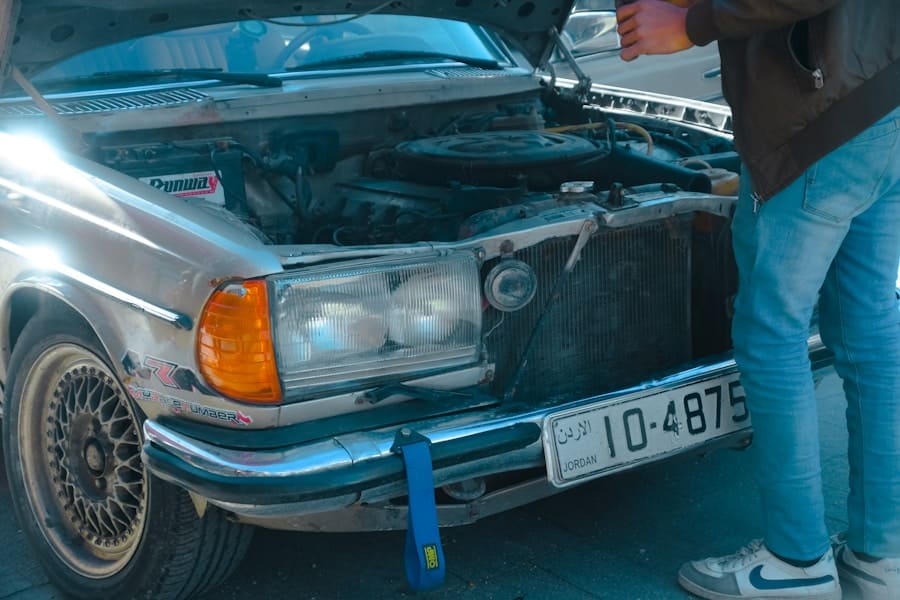
In today’s automotive landscape, advanced diagnostic equipment plays a pivotal role in our ability to accurately identify and resolve issues. We utilize state-of-the-art tools that allow us to perform in-depth analyses of various systems within the vehicle. These tools can provide real-time data on engine performance, transmission behavior, and even emissions levels.
By harnessing this technology, we can uncover problems that might otherwise go unnoticed during standard inspections. Moreover, advanced diagnostic equipment often includes features such as live data streaming and graphing capabilities. This allows us to monitor how different components interact in real-time while the vehicle is running.
By analyzing this data, we can identify irregularities that may indicate underlying issues. The precision offered by these tools enhances our diagnostic accuracy and ultimately leads to more effective repairs.
Consulting with Other Mechanics
Collaboration among mechanics is an invaluable resource in our diagnostic toolkit. When faced with particularly challenging issues, we often reach out to fellow professionals for their insights and experiences. Each mechanic brings a unique perspective based on their training and background, which can lead to innovative solutions or alternative approaches to problem-solving.
By discussing cases with other mechanics, we can share knowledge about specific vehicles or systems that may be causing trouble. This exchange of information fosters a sense of community within the automotive repair industry and helps us stay updated on emerging trends or common issues affecting various makes and models. Ultimately, consulting with our peers enhances our collective expertise and improves our ability to serve our customers effectively.
Communicating with the Customer
Throughout the diagnostic process, clear communication with the customer is paramount. We understand that vehicle issues can be stressful for owners, and they often have questions about what is happening and what steps will be taken next. We make it a priority to keep them informed at every stage of our investigation.
This includes explaining our findings in layman’s terms and discussing potential solutions in a way that is easy to understand. Moreover, we encourage open dialogue with customers regarding their preferences and concerns. If repairs are necessary, we provide detailed estimates and timelines so they know what to expect.
By fostering transparency and trust in our communication, we build stronger relationships with our customers and ensure they feel confident in our ability to address their vehicle’s needs effectively. In conclusion, diagnosing automotive issues is a multifaceted process that requires careful observation, advanced tools, collaboration with peers, and effective communication with customers. By following these steps diligently, we enhance our ability to identify problems accurately and provide reliable solutions that keep vehicles running smoothly and safely on the road.
When dealing with mysterious car malfunctions, mechanics often rely on their expertise and diagnostic tools to uncover the root cause of the issue. In some cases, understanding car repair costs can also play a crucial role in determining the best course of action. A helpful resource for deciphering car repair costs can be found in the article “Cracking the Estimate Code: A Step-by-Step Guide to Understanding Car Repair Costs” from Auto Body Repair HQ. This guide can provide valuable insights into the pricing structure of auto repairs, helping mechanics and car owners alike make informed decisions when faced with unexpected malfunctions.
FAQs
What are some common signs that a car seems to have a mind of its own regarding malfunctions?
Some common signs include the car stalling or shutting off unexpectedly, the steering wheel pulling to one side, the brakes feeling spongy or unresponsive, and the transmission slipping or shifting erratically.
How do mechanics diagnose and handle cases where a car seems to have a mind of its own regarding malfunctions?
Mechanics use diagnostic tools and techniques to identify the root cause of the issue. This may involve conducting a thorough inspection of the vehicle’s systems, running diagnostic tests, and consulting technical service bulletins from the manufacturer. Once the issue is identified, the mechanic will repair or replace the faulty components to resolve the problem.
What are some potential causes of a car seeming to have a mind of its own regarding malfunctions?
Potential causes include electrical system malfunctions, sensor or computer issues, worn or damaged components such as brakes or steering parts, and fluid leaks or contamination in the transmission or other systems.
Can regular maintenance help prevent a car from seeming to have a mind of its own regarding malfunctions?
Yes, regular maintenance such as oil changes, brake inspections, fluid checks, and tune-ups can help prevent malfunctions by keeping the vehicle’s systems in good working condition. Additionally, addressing any warning signs or unusual behavior promptly can help prevent more serious issues from developing.