
As we navigate our daily lives, our driving habits play a crucial role in determining the longevity and performance of our vehicles. Each time we get behind the wheel, we engage in a series of actions that can either enhance or detract from the overall health of our cars. From the way we accelerate to how we handle turns, our driving style can lead to varying degrees of wear and tear on essential components.
Understanding these habits is vital for us as car owners, as it allows us to make informed decisions that can prolong the life of our vehicles and ensure a safer driving experience. Moreover, the relationship between our driving habits and vehicle maintenance is often overlooked. Many of us may not realize that aggressive driving, frequent stop-and-go traffic, or even poor maintenance practices can lead to significant issues down the line.
By examining these factors closely, we can identify patterns in our driving that may be contributing to unnecessary wear on our cars. This awareness not only helps us save money on repairs but also enhances our safety on the road. In this article, we will explore various driving habits and their impact on different vehicle components, providing insights that can help us maintain our cars more effectively.
- Aggressive driving can significantly accelerate wear and tear on brake pads and rotors, leading to the need for more frequent replacements.
- Frequent stop-and-go driving can put extra strain on the transmission, potentially leading to premature wear and the need for repairs or replacements.
- Speeding can cause increased tire wear, reducing the lifespan of the tires and potentially leading to unsafe driving conditions.
- Poor maintenance habits, such as neglecting oil changes and fluid checks, can lead to engine component wear and potential breakdowns.
- Rough road conditions can contribute to wear and tear on the suspension and steering system, leading to the need for repairs or replacements.
Impact of Aggressive Driving on Brake Pads and Rotors
Aggressive driving is characterized by rapid acceleration, hard braking, and sharp turns. This style of driving can have a profound impact on the brake system of our vehicles. When we engage in such behavior, we place excessive stress on the brake pads and rotors, leading to accelerated wear.
The friction generated during hard braking generates heat, which can cause the brake pads to wear down more quickly than they would under normal driving conditions. As a result, we may find ourselves needing to replace these components far sooner than anticipated. In addition to increased wear, aggressive driving can also lead to uneven wear patterns on brake pads and rotors.
When we frequently brake hard, certain areas of the pads may experience more friction than others, leading to a condition known as “brake fade.” This not only reduces the effectiveness of our braking system but can also create a dangerous situation if we need to stop suddenly. By adopting a more measured approach to driving, we can significantly extend the life of our brake components and enhance our overall safety on the road.
How Frequent Stop-and-Go Driving Affects the Transmission
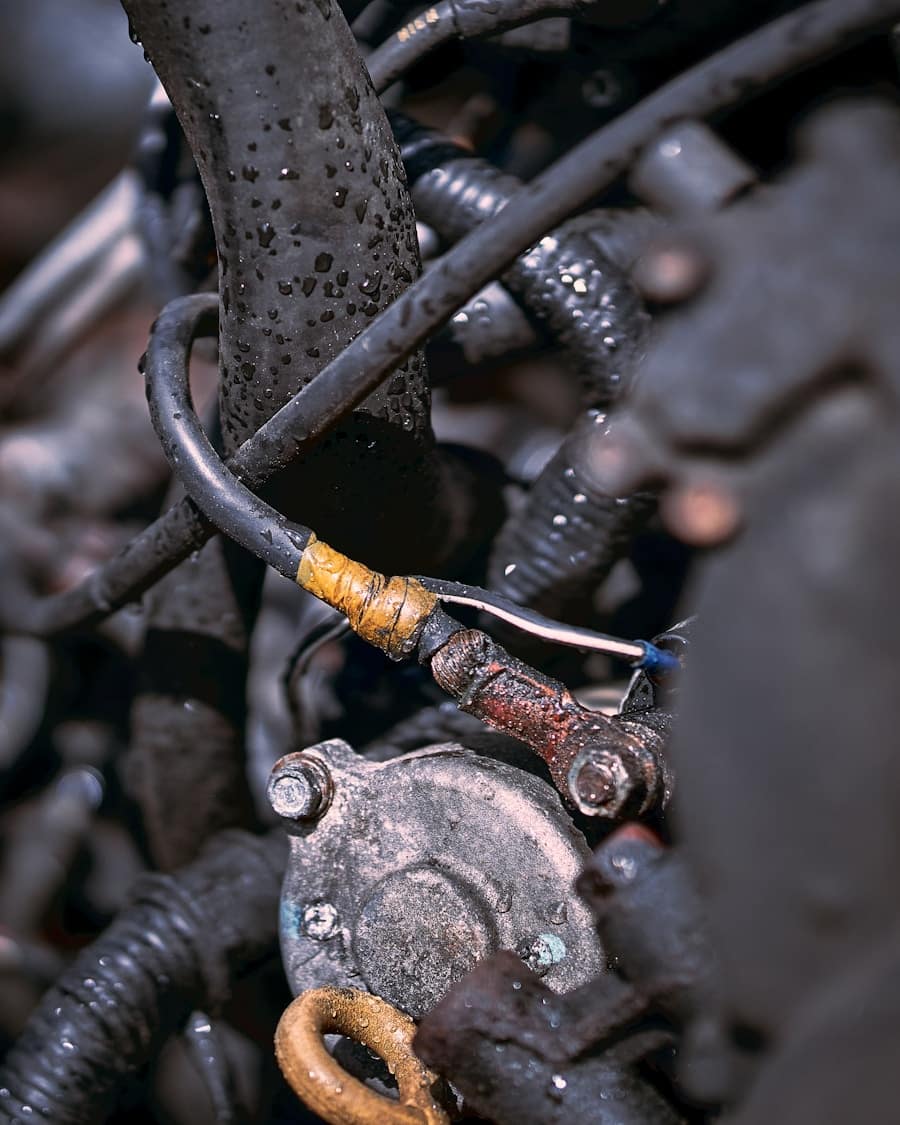
Frequent stop-and-go driving is a common scenario for many of us, especially those who commute in urban areas. While it may seem like a minor inconvenience, this type of driving can have serious implications for our vehicle’s transmission system. Each time we accelerate from a complete stop, we put additional strain on the transmission components.
Over time, this can lead to premature wear and potential failure of critical parts such as gears and clutches. Moreover, stop-and-go driving often leads to increased heat buildup within the transmission. The constant shifting between gears can cause the transmission fluid to break down more quickly, reducing its effectiveness as a lubricant.
This degradation can result in increased friction and wear on internal components, ultimately leading to costly repairs or even complete transmission failure. To mitigate these effects, we should consider alternative routes that allow for smoother driving conditions whenever possible, thereby reducing the strain on our transmission systems.
The Relationship Between Speeding and Tire Wear
Speeding is another driving habit that can have detrimental effects on our vehicles, particularly when it comes to tire wear. When we drive at high speeds, the tires experience increased friction with the road surface, leading to faster degradation. The rubber compounds in tires are designed to withstand a certain amount of heat and pressure; however, exceeding speed limits can push these limits, resulting in uneven wear patterns and reduced tread life.
Additionally, speeding often leads to abrupt maneuvers such as hard cornering or sudden stops, which can further exacerbate tire wear. The sidewalls of tires may become stressed under these conditions, leading to potential blowouts or other failures. By adhering to speed limits and practicing smoother driving techniques, we can significantly extend the life of our tires while also enhancing our safety on the road.
Effects of Poor Maintenance Habits on Engine Components
Our engine is the heart of our vehicle, and maintaining it properly is essential for optimal performance. However, many of us may neglect routine maintenance tasks such as oil changes, air filter replacements, and fluid checks. Poor maintenance habits can lead to a host of issues that affect engine components over time.
For instance, failing to change the oil regularly can result in sludge buildup, which can clog vital passages and lead to overheating or even engine failure. Furthermore, neglecting air filters can restrict airflow into the engine, causing it to work harder than necessary. This added strain can lead to increased fuel consumption and reduced efficiency.
By committing to regular maintenance schedules and addressing minor issues before they escalate, we can ensure that our engines remain in peak condition for years to come.
How Rough Road Conditions Contribute to Suspension and Steering System Wear
The Impact on Suspension Systems
When we encounter potholes or uneven surfaces, our suspension components are forced to absorb impacts that they were not designed for. Over time, this can lead to premature wear on shocks, struts, and other suspension parts.
The Effect on Steering Systems
Rough road conditions can affect our steering system by causing misalignment or increased play in the steering components. This not only impacts handling but can also lead to uneven tire wear as well.
Minimizing the Damage
To minimize these effects, we should be mindful of road conditions and adjust our driving accordingly. Whenever possible, avoiding rough terrain or taking alternate routes can help preserve the integrity of our suspension and steering systems.
The Influence of Heavy Loads on Suspension and Brakes
Carrying heavy loads is another factor that can significantly impact our vehicle’s performance and longevity. Whether it’s transporting cargo or passengers, exceeding the recommended weight limit can place undue stress on both the suspension and braking systems. When we overload our vehicles, the suspension must work harder to maintain stability and comfort while driving.
This added strain can lead to sagging springs and worn-out shock absorbers over time. Moreover, heavy loads require more braking power to bring the vehicle to a stop safely. This increased demand on the brakes can lead to faster wear on brake pads and rotors, as well as potential overheating issues.
To ensure that we are not compromising our vehicle’s safety or performance, it’s essential for us to be aware of weight limits and distribute loads evenly whenever possible.
Tips for Maintaining Your Car Despite Driving Habits
In conclusion, understanding how our driving habits affect vehicle wear and tear is crucial for maintaining optimal performance and safety. By adopting more mindful driving practices—such as avoiding aggressive acceleration and braking, adhering to speed limits, and being cautious about road conditions—we can significantly reduce unnecessary wear on critical components. Additionally, committing to regular maintenance schedules will help us catch potential issues before they escalate into costly repairs.
We should also be proactive about monitoring our vehicle’s performance and addressing any signs of trouble promptly. Whether it’s unusual noises from the engine or vibrations while driving, being attentive to these signals can help us maintain our cars effectively. Ultimately, by combining good driving habits with diligent maintenance practices, we can ensure that our vehicles remain reliable companions for years to come.
If you are looking for the best auto body repair services in Tampa, Florida, Virginia Beach, Virginia, or Plano, Texas, look no further than Auto Body Repair HQ. Their expert technicians can help address any wear and tear on your car components caused by your driving habits. Whether it’s fixing dents, scratches, or more serious damage, they have the skills and experience to get your car back in top shape.
FAQs
What are some common driving habits that contribute to wear and tear on car components?
Some common driving habits that contribute to wear and tear on car components include aggressive driving, frequent braking and accelerating, and driving on rough or uneven roads.
How does aggressive driving contribute to wear and tear on car components?
Aggressive driving, such as rapid acceleration and hard braking, can put excessive strain on the engine, transmission, brakes, and suspension components, leading to increased wear and potential damage.
How does frequent braking and accelerating contribute to wear and tear on car components?
Frequent braking and accelerating can lead to increased wear on the brake pads, rotors, and transmission components, as well as increased fuel consumption and decreased overall efficiency of the vehicle.
How does driving on rough or uneven roads contribute to wear and tear on car components?
Driving on rough or uneven roads can cause increased wear on the suspension components, tires, and steering system, as well as potential damage to the undercarriage of the vehicle.
What are some ways to minimize wear and tear on car components due to driving habits?
Some ways to minimize wear and tear on car components due to driving habits include practicing smooth and steady driving, maintaining a safe following distance, and avoiding aggressive maneuvers such as hard braking and rapid acceleration. Regular maintenance and inspections can also help identify and address any potential issues before they become major problems.





