
When we think about vehicle ownership, the importance of regular maintenance cannot be overstated. Our vehicles are not just modes of transportation; they are complex machines that require consistent care to ensure they operate safely and efficiently. Regular maintenance helps us identify potential issues before they escalate into costly repairs or, worse, dangerous situations on the road.
By committing to a routine maintenance schedule, we can enhance the longevity of our vehicles, improve fuel efficiency, and ensure a smoother driving experience. Moreover, regular maintenance plays a crucial role in preserving the resale value of our vehicles. A well-maintained car is more appealing to potential buyers and can command a higher price in the market.
When we keep detailed records of our maintenance activities, we provide prospective buyers with evidence of our commitment to care for the vehicle. This transparency can significantly influence their purchasing decision, making it essential for us to prioritize regular check-ups and services.
- Regular maintenance is crucial for the safety and performance of your vehicle
- Brake inspections should be done at least once a year or every 12,000 miles
- Signs of brake wear include squeaking or grinding noises, pulling to one side, and a soft brake pedal
- Tire inspections should be done monthly, including checking tire pressure, tread depth, and signs of uneven wear
- Factors affecting tire wear include driving habits, road conditions, and wheel alignment
Frequency of Brake Inspections
Recommended Inspection Frequency
As a general rule, it is recommended to have our brakes inspected at least once a year or every 12,000 miles, whichever comes first.
Increased Inspection Frequency in Certain Conditions
However, if we frequently drive in heavy traffic or hilly areas, we may need to increase the frequency of these inspections. Additionally, we should be vigilant about scheduling brake inspections whenever we notice any changes in our vehicle’s performance.
Importance of Proactive Brake Inspections
If we hear unusual noises when applying the brakes or feel vibrations in the steering wheel, it’s crucial to have our brakes examined immediately. By being proactive about brake inspections, we can ensure our safety on the road and avoid potentially dangerous situations caused by brake failure.
Signs of Brake Wear
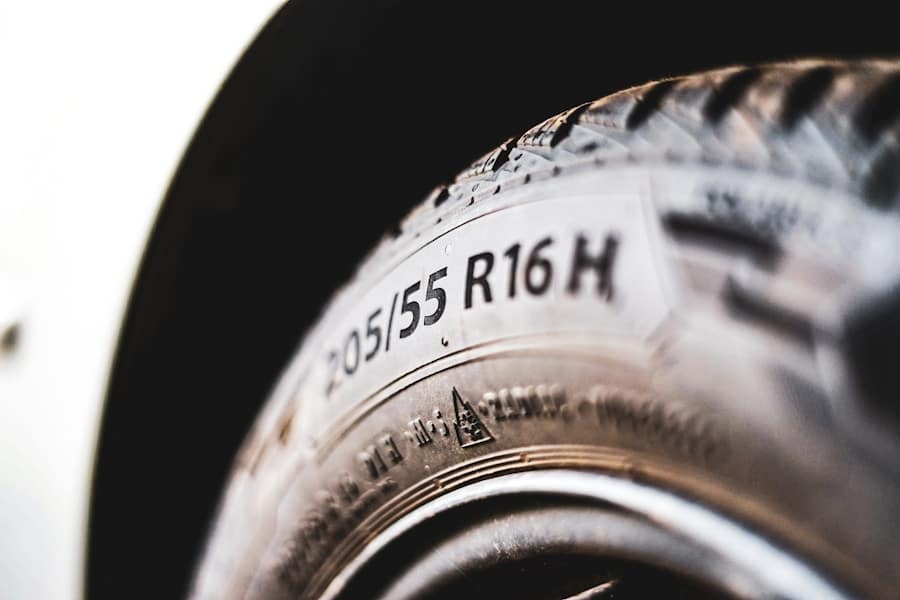
Recognizing the signs of brake wear is essential for maintaining our vehicle’s safety and performance. One of the most common indicators that our brakes may need attention is a squeaking or grinding noise when we apply them. This sound often signifies that the brake pads are worn down and may need replacement.
If we ignore these sounds, we risk damaging other components of the braking system, leading to more extensive repairs. Another sign to watch for is a change in the responsiveness of our brakes. If we notice that it takes longer for our vehicle to come to a stop or if the brake pedal feels spongy or sinks to the floor, these could be signs of brake fluid leaks or air in the brake lines.
In such cases, it’s imperative that we seek professional assistance as soon as possible. By being aware of these warning signs and acting promptly, we can ensure our safety and maintain the integrity of our braking system.
Recommended Tire Inspections
Tire inspections are another critical component of vehicle maintenance that we should prioritize. Our tires are the only point of contact between our vehicle and the road, making their condition vital for safe driving. We should aim to inspect our tires at least once a month and before long trips.
During these inspections, we should check for proper inflation, tread depth, and any visible signs of damage such as cuts or bulges. Maintaining proper tire pressure is essential not only for safety but also for fuel efficiency. Under-inflated tires can lead to increased rolling resistance, causing our engine to work harder and consume more fuel.
Conversely, over-inflated tires can result in uneven wear and reduced traction. By regularly checking tire pressure and ensuring they are inflated to the manufacturer’s specifications, we can enhance both safety and efficiency.
Factors Affecting Tire Wear
Several factors can influence tire wear, and understanding these can help us extend the life of our tires. One significant factor is driving habits; aggressive driving, such as rapid acceleration and hard braking, can lead to premature tire wear. Additionally, frequent cornering at high speeds can cause uneven wear on the tire edges.
By adopting smoother driving techniques, we can mitigate some of this wear and prolong the life of our tires. Another factor affecting tire wear is alignment and balancing. If our vehicle’s wheels are not properly aligned, it can lead to uneven tire wear patterns that may necessitate early replacement.
Regularly checking wheel alignment and balancing can help us avoid this issue. Furthermore, road conditions play a role; potholes, debris, and rough surfaces can all contribute to tire damage. By being mindful of these factors and taking proactive measures, we can ensure that our tires remain in optimal condition for as long as possible.
Other Critical Components to Check
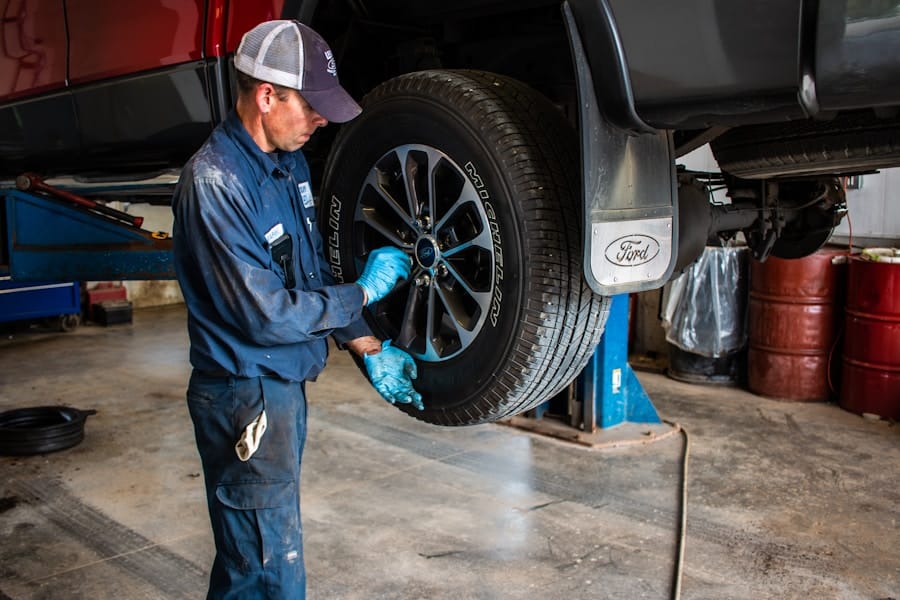
Fluid Levels: The Lifeblood of Your Vehicle
While brakes and tires are crucial components of vehicle safety, there are several other critical systems that require regular checks as well. For instance, we should routinely inspect our vehicle’s fluid levels—this includes engine oil, coolant, brake fluid, transmission fluid, and power steering fluid. Low fluid levels can lead to significant mechanical issues if not addressed promptly.
Battery Health: Avoiding Costly Surprises
Additionally, we should pay attention to our vehicle’s battery health. A weak or failing battery can leave us stranded and may lead to costly jump-starts or replacements. Regularly checking battery terminals for corrosion and ensuring that connections are secure can help us avoid unexpected battery failures.
A Well-Rounded Approach to Vehicle Maintenance
By keeping an eye on these critical components alongside brakes and tires, we can maintain a well-rounded approach to vehicle maintenance.
Maintenance Schedule for Critical Components
Establishing a maintenance schedule for critical components is essential for ensuring that our vehicles remain safe and reliable over time. We should create a checklist that outlines when each component needs to be inspected or serviced based on manufacturer recommendations and our driving habits. For example, oil changes are typically recommended every 5,000 to 7,500 miles depending on the type of oil used; adhering to this schedule helps keep our engine running smoothly.
In addition to oil changes, we should also include checks for filters—such as air filters and cabin filters—on our maintenance schedule. These filters play a significant role in maintaining air quality within the vehicle and ensuring optimal engine performance. By setting reminders for these services and sticking to our schedule diligently, we can prevent minor issues from escalating into major problems.
Benefits of Regular Inspections
The benefits of regular inspections extend far beyond mere compliance with maintenance schedules; they significantly enhance our overall driving experience. One of the most immediate advantages is improved safety on the road. By regularly inspecting critical components like brakes and tires, we reduce the risk of accidents caused by mechanical failures.
This peace of mind allows us to focus on driving rather than worrying about potential issues. Furthermore, regular inspections contribute to cost savings in the long run. While it may seem like an expense upfront to have our vehicle serviced regularly, these inspections often catch problems early before they develop into more significant—and more expensive—repairs.
Additionally, well-maintained vehicles tend to have better fuel efficiency, which translates into savings at the pump over time. Ultimately, by prioritizing regular inspections and maintenance, we not only protect ourselves but also enhance the longevity and performance of our vehicles.
When it comes to maintaining your vehicle, regular check-ups are crucial to ensure everything is running smoothly. In addition to having your brakes, tires, and other critical components checked regularly, it’s also important to find a reliable auto body repair shop for any necessary repairs. If you’re in Columbia, South Carolina, you may want to check out the article on the best auto body repair shops in Columbia for some recommendations. Similarly, if you’re in Los Angeles, California, or Louisville-Jefferson County, Kentucky, there are articles on the best auto body repair shops in those areas as well. Remember, staying on top of maintenance and repairs can help keep your vehicle in top condition and prevent any major issues down the road.
FAQs
What are the critical components that should be checked regularly in a vehicle?
Critical components that should be checked regularly in a vehicle include brakes, tires, suspension, steering, fluids, and the battery.
How often should I have my brakes checked?
It is recommended to have your brakes checked at least once a year or every 12,000 miles, whichever comes first. However, if you notice any signs of brake problems such as squeaking, grinding, or a soft brake pedal, you should have them checked immediately.
How often should I have my tires checked?
Tires should be checked at least once a month for proper inflation, tread wear, and any signs of damage. It is also recommended to have your tires rotated and balanced every 6,000 to 8,000 miles.
How often should I have my suspension and steering components checked?
Suspension and steering components should be checked at least once a year or every 12,000 miles. However, if you notice any signs of steering or handling issues, such as pulling to one side or excessive bouncing, you should have them checked immediately.
How often should I have my fluids checked?
Fluid levels and condition should be checked at every oil change, which is typically every 3,000 to 5,000 miles. This includes engine oil, transmission fluid, coolant, brake fluid, and power steering fluid.
How often should I have my battery checked?
It is recommended to have your battery checked at least once a year, especially before extreme weather conditions. Signs of a weak battery include slow cranking, dim lights, and a check engine light.





