
The Vital Role of Regular Vehicle Inspections in Maintenance
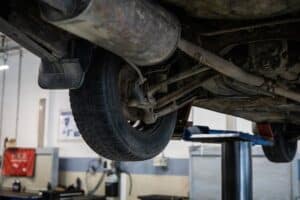
Importance of Regular Vehicle Inspections
Your vehicle is more than just a means of transportation; it’s an investment that requires consistent care to ensure its longevity and performance. One of the most crucial aspects of proper vehicle maintenance is regular inspections. These inspections not only help you identify potential issues early on but also contribute to your safety and the efficiency of your vehicle. Let’s delve into the significance of regular vehicle inspections:
1. Ensuring Safety:
Regular inspections help identify safety hazards such as worn-out brakes, tire tread problems, and malfunctioning lights. Addressing these issues promptly ensures your safety and that of your passengers and fellow road users.
2. Preventing Costly Repairs:
Small problems can escalate into major, expensive repairs if left unattended. Regular inspections help catch these issues before they become bigger, saving you both money and hassle in the long run.
3. Maximizing Efficiency:
A well-maintained vehicle operates efficiently, delivering better fuel economy and optimal performance. Regular inspections ensure that your vehicle’s systems are working harmoniously, minimizing fuel wastage.
4. Prolonging Vehicle Lifespan:
Just as routine medical check-ups contribute to your well-being, regular vehicle inspections extend the life of your vehicle. Identifying and addressing problems early can prevent premature wear and tear.
5. Compliance with Regulations:
Many regions have vehicle safety and emission regulations that require vehicles to meet specific standards. Regular inspections help you comply with these regulations, avoiding legal issues and potential fines.
6. Resale Value:
If you plan to sell your vehicle in the future, a well-maintained car with a history of regular inspections and maintenance commands a higher resale value.
7. Peace of Mind:
Knowing that your vehicle has undergone regular inspections provides peace of mind while driving. You’re less likely to face unexpected breakdowns, and you can focus on enjoying the journey.
8. Identifying Hidden Issues:
Some problems might not be immediately evident, but a trained technician can spot potential trouble areas during an inspection, preventing them from developing into serious concerns.
9. Customized Maintenance Plans:
Regular inspections help mechanics create personalized maintenance plans for your vehicle’s specific needs. This targeted approach ensures that your car receives the attention it requires.
10. Professional Expertise:
While DIY maintenance is valuable, professional mechanics have the training and tools to conduct thorough inspections, catching even the subtlest issues that might go unnoticed otherwise.
Regular vehicle inspections are a cornerstone of responsible vehicle ownership. They safeguard your safety, prevent costly repairs, and contribute to the overall well-being of your vehicle. By incorporating routine inspections into your maintenance schedule, you’re taking proactive steps to ensure that your vehicle remains dependable, efficient, and safe on the road.
RELATED SEARCH TERMS ABOUT IMPORTANCE OF REGULAR VEHICLE INSPECTIONS:
- Automotive Safety Assurance: Highlighting the Significance of Regular Vehicle Inspections
- Preventive Maintenance Insights: The Role of Periodic Vehicle Check-ups
- Vehicle Longevity Blueprint: How Regular Inspections Enhance Lifespan
- Safe and Sound: The Essentiality of Routine Vehicle Safety Checks
- Smart Maintenance Strategy: Maximizing Efficiency Through Regular Inspections
- Value Retention Blueprint: How Inspections Boost Resale Worth
- Mileage for Miles: The Power of Regular Vehicle Check-ups in Longevity
- Inspection Empowerment: Empowering Vehicle Owners for Informed Maintenance
- Proactive Vehicle Care: The Crucial Connection Between Inspections and Reliability
- Expert Eyes on Your Vehicle: Unveiling the Advantages of Professional Inspections