Leading Car Body Maintenance in Frisco
Your vehicle’s body is more than just a shell; it’s an intricate system designed for safety, aesthetics, and longevity. In Frisco, the particular environmental conditions, from seasonal temperature fluctuations to occasional hail, demand a proactive approach to car body maintenance.
Understanding the nuances of this discipline will equip you to make informed decisions about your automotive investment.
To effectively maintain your vehicle, you must first understand the fundamental components and materials that make up its body. Think of it as knowing the parts of a house before you undertake renovations.
Structural Components
The core of your vehicle’s body begins with its structural framework. This framework is the skeleton, providing the foundational strength and stiffness.
Unibody vs. Body-on-Frame
Modern passenger vehicles predominantly employ unibody construction, where the body, chassis, and floor pan are integrated into a single, cohesive unit.
This design offers superior rigidity, improved crash performance, and reduced weight compared to older body-on-frame designs, in which the body is bolted to a separate ladder-like frame. Understanding your vehicle’s construction type is crucial when assessing collision damage or considering certain modifications.
High-Strength Steel and Advanced Alloys
Contemporary car manufacturing heavily relies on a diverse range of materials. High-strength steel (HSS), ultra-high-strength steel (UHSS), and various aluminum alloys are commonplace. These materials are strategically placed to absorb impact energy, enhance passenger safety, and minimize overall vehicle weight.
Specialized repair techniques and equipment are often required when working with these advanced materials, highlighting the importance of choosing a facility with the appropriate expertise.
Exterior Panels
These are the visible surfaces of your vehicle, the skin that protects its internal organs.
Materials and Fabrication
Most exterior panels, such as fenders, doors, hoods, and trunk lids, are constructed from sheet metal, typically steel or aluminum. These panels are pressed into complex shapes using sophisticated stamping processes. The quality of this fabrication directly impacts the panel’s fit, finish, and resistance to damage.
Some vehicles may also incorporate composite materials or plastics for components like bumpers, mirror housings, and certain trim pieces, chosen for their light weight and impact resistance.
Paint and Clear Coat Layers
Beyond the bare metal, your vehicle’s exterior is protected by a multi-layered paint system. This system typically includes an e-coat (electrodeposition coating) for corrosion protection, a primer layer for adhesion and a smooth surface, a base coat for color, and finally, a clear coat.
The clear coat is paramount; it provides gloss, UV protection, and resistance to minor abrasions and chemical exposure. Degradation of the clear coat can lead to ‘fading’ or ‘peeling’ of your paint.
For those interested in the intricacies of car body maintenance, particularly in Frisco, a related article that delves into essential repair techniques is “The Art of Bondo: A Body Repair Essential for Filling.”
This informative article provides valuable insights into the use of Bondo, a caulk-like material for achieving smooth, flawless finishes in auto body repairs. You can read the article here: The Art of Bondo.
Protecting Your Vehicle’s Exterior in Frisco
Frisco’s climate presents specific challenges to your vehicle’s exterior. Proactive measures are more effective and cost-efficient than reactive repairs. Consider your car’s paintwork as its primary line of defense.
Washing and Cleaning Techniques
Regular and proper cleaning is fundamental to preserving your car’s finish. Neglecting this can accelerate wear and tear, akin to salt corroding metal over time.
Hand Washing vs. Automatic Washes
While automatic car washes offer convenience, their effectiveness and potential for damage vary significantly. Brush-style automatic washes can induce ‘swirl marks’ on your paint due to abrasive brushes and insufficient lubrication. Touchless automatic washes are generally safer but may not remove all adherent contaminants.
A meticulous hand wash using the ‘two-bucket method’ (one bucket for soapy water, one for rinsing your wash mitt), pH-neutral car wash soap, and microfiber wash mitts is considered the gold standard for minimizing paint damage.
Proper Drying Methods
After washing, proper drying is critical to prevent water spots and streaks, especially in Frisco’s hard water areas. Using dedicated microfiber drying towels or a car blower will gently remove water without introducing scratches. Avoid air drying, as minerals in the water will precipitate onto your paint as it evaporates, forming stubborn water spots.
Paint Protection Strategies
Your car’s paint is under constant assault from environmental factors. Implementing protective layers can significantly extend its life.
Wax and Sealants
Traditional car waxes, typically carnauba-based, provide a sacrificial layer that enhances gloss and offers moderate protection against UV radiation and minor contaminants, with durability normally ranging from a few weeks to a few months. Synthetic paint sealants, composed of polymers, offer a more durable barrier, often lasting 4-12 months, with superior chemical resistance. Both products are applied after a thorough wash and decontamination process.
Ceramic Coatings and Paint Protection Film (PPF)
For enhanced long-term protection, ceramic coatings and paint protection film (PPF) represent advanced options. Ceramic coatings are liquid polymer solutions that chemically bond with your vehicle’s factory paint, creating a semi-permanent, hydrophobic layer that offers exceptional gloss, UV resistance, and chemical resistance.
They typically last for several years. PPF, also known as clear bra, is a thermoplastic urethane film applied to painted surfaces. It is a physical barrier that offers superior protection against rock and may require hips, scratches, and abrasions. While it requires a more significant upfront investment, PPF can be a systematic choice for high-impact areas, such as vehicles driven frequently on highways or in areas prone to road debris.
Addressing Dents, Dings, and Scratches
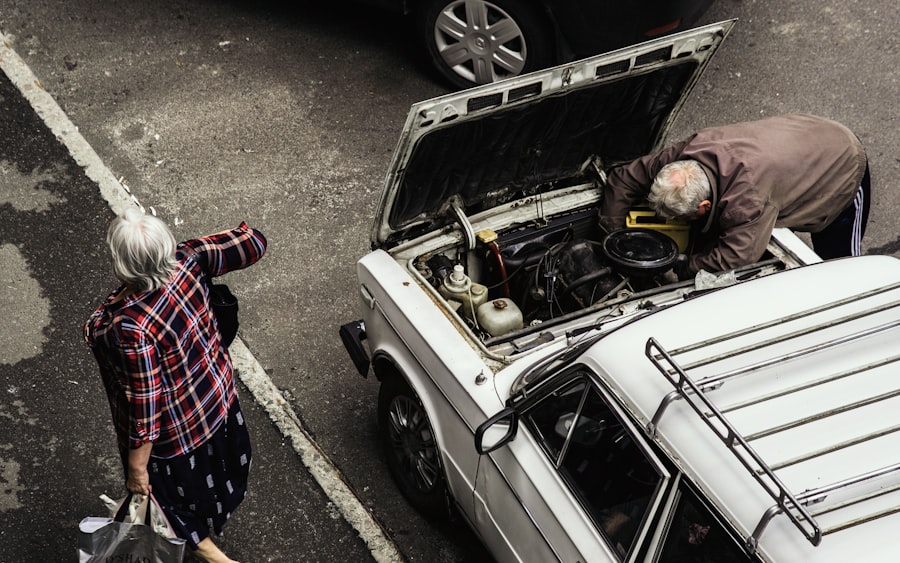
Even with diligent protection, your vehicle will likely encounter minor cosmetic damage. Prompt and appropriate repair is crucial to prevent escalation and maintain aesthetic value.
Types of Damage and Repair Techniques
Understanding the nature of the damage guides the repair process.
Minor Dings and Paintless Dent Repair (PDR)
Minor dents, often caused by hail, door dings, or runaway shopping carts, can frequently be repaired using Paintless Dent Repair (PDR). This technique involves skillfully manipulating the metal from the backside using specialized tools, restoring the panel to its original shape without disturbing the factory paint.
PDR is a highly effective, cost-efficient, and time-saving method that preserves your vehicle’s original finish and eliminates the need for repainting. However, PDR is only viable for dents where the paint is intact, and the metal hasn’t been stretched excessively.
Scratches: Superficial vs. Deep
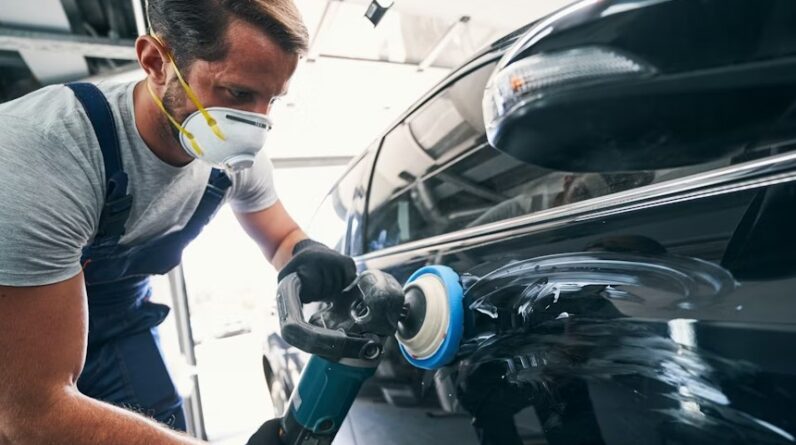
Scratches vary significantly in severity. Superficial scratches affect only the clear coat and can often be polished out with abrasive compounds and polishing machines. Deeper susuallyhes that penetrate the base coat often require localized repainting.
A simple test is the ‘fingernail test’: if your fingernail catches in the scratch, it has likely penetrated the clear coat and will require more than just polishing. Ignoring deep scratches can lead to rust if the bare metal is exposed, particularly in humid conditions.
Panel Replacement and Conventional Body Repair
In cases of significant damage, such as large dents, creases, or tears in the metal, conventional body repair or panel replacement becomes necessary. This process involves filling, sanding, priming, and repainting the damaged area, or replacing an entire panel with a new one.
Precision in matching paint color and texture is paramount to achieving an undetectable repair. Advanced tools, such as resistance spot welders, are used to replicate factory welds and maintain structural integrity.
Choosing a Reputable Body Shop in Frisco
Selecting a qualified repair facility is as important as the repair itself. This decision can dictate the quality, safety, and longevity of the repair.
Certifications and Training
Look for facilities with industry certifications, such as I-CAR Gold Class, a benchmark for collision repair excellence. This indicates that technicians have received extensive, ongoing training in current repair technologies and materials. Certified technicians are more likely to correctly identify damage, follow proper repair procedures, and handle advanced materials such as high-strength steel and aluminum.
Equipment and Technology
A modern body shop will invest in state-of-the-art equipment. This includes precision measuring systems for frame alignment, advanced welding equipment, specialized paint booths that control dust and temperature, and diagnostic tools to recalibrate vehicle sensors (ADAS – Advanced Driver-Assistance Systems) after repairs. The presence of such equipment reflects a commitment to quality and safety.
Warranty and Customer Service
A reputable shop will offer a written warranty on both parts and labor, providing peace of mind. Transparent communication, detailed estimates, and a willingness to answer your questions are indicators of good customer service. Seek reviews, ask for referrals, and don’t hesitate to visit a few shops before making your decision.
Addressing Rust and Corrosion
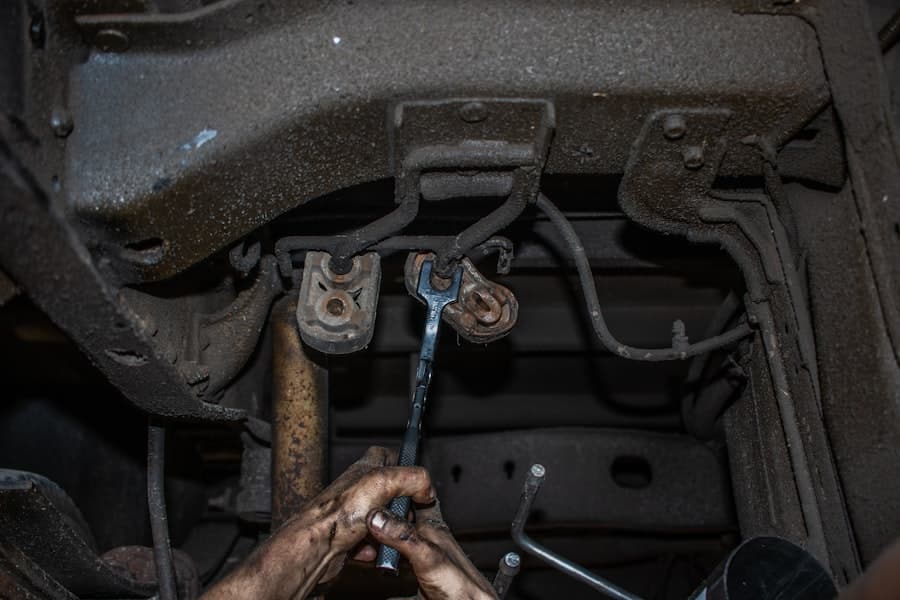
Rust is an insidious adversary of metal, a slow-acting decay that can compromise your vehicle’s structural integrity and aesthetic. Early detection and intervention are paramount.
Understanding Rust Formation
Rust (iron oxide) occurs when iron, a primary component of steel, reacts with oxygen and water through an electrochemical process. It is an ongoing process that, once started, accelerates over time.
Factors Accelerating Rust
In Frisco, several factors contribute to rust formation: humidity provides the necessary moisture. Road salt, even if less frequently used than in northern climates, can still be present during rare icy conditions. Industrial pollutants and bird droppings, if left uncleaned, can also create acidic environments that can corrode paint and expose bare metal.
Small chips and scratches in the paint provide direct pathways for moisture and oxygen to reach the underlying steel, acting as nucleation points for rust.
Common First Areas for Rust
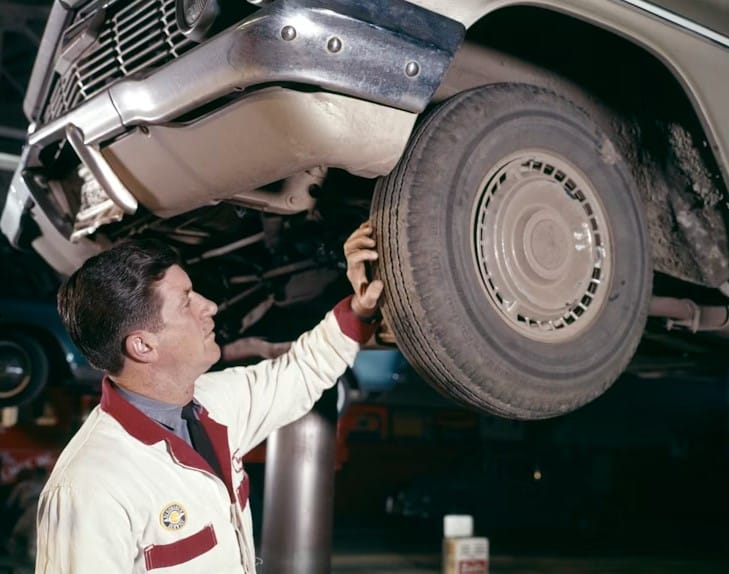
Rust first manifests in less visible areas: wheel wells, rocker panels (the body panels directly below the doors), undercarriage components, and around seams or drainage points. However, it can also appear as bubbling under that, indicating corrosion beneath the surface.
Rust Prevention and Treatment
Preventing rust is significantly easier and less costly than treating it.
Regular Inspection and Cleaning of the Undercarriage
Make it a habit to regularly inspect your vehicle’s undercarriage, particularly after driving through standing water or unpaved areas. A thorough undercarriage wash can dislodge trapped dirt, salt, and debris that retain moisture and contribute to corrosion. Many full-service car washes offer undercarriage cleaning options.
Rust Proofing and Undercoating
For enhanced protection, consider professional rustproofing or undercoating applications. These treatments involve applying a waxy or rubberized coating to the undercarriage and internal cavities of your vehicle, creating a barrier against moisture and corrosive elements. While not impenetrable, they significantly slow down the rust process. Ensure any existing rust is removed before applying these coatings, as sealing over rust can often accelerate its progression.
Treating Existing Rust
If rust is detected, prompt action is critical. Minor surface rust on small areas can often be sanded away, treated with a rust converter chemical, primed, and repainted. For more extensive rust, particularly if it has perforated the metal, cutting out the rusted section and welding in new metal is typically the only viable solution to ensure structural integrity. This requires specialized skills and equipment, underscoring the need for professional body repair.
If you’re looking for top-notch car body maintenance in Frisco, you might find it helpful to explore a related article that discusses the best auto body repair options in Virginia Beach.
This resource provides valuable insights into what to look for in a quality repair service, which can be beneficial no matter where you are located. You can read more about it in this informative piece on auto body repair.
Maintaining Your Vehicle’s Interior in Frisco
| Service | Average Repair Time | Customer Satisfaction Rate | Warranty Period | Number of Certified Technicians | Location |
|---|---|---|---|---|---|
| Collision Repair | 5-7 days | 95% | 3 years | 12 | Frisco, TX |
| Paintless Dent Repair | 1-2 days | 92% | 2 years | 8 | Frisco, TX |
| Auto Painting | 3-5 days | 90% | 3 years | 10 | Frisco, TX |
| Frame Straightening | 4-6 days | 94% | 3 years | 7 | Frisco, TX |
| Detailing & Polishing | 1 day | 98% | 1 year | 5 | Frisco, TX |
While often overlooked in ‘car body maintenance,’ the interior is an integral part of your vehicle’s overall condition and resale value. Neglecting it is akin to having a pristine exterior but a dilapidated living room.
Upholstery and Trim Care
The interior materials of your vehicle are subject to daily wear and tear, direct sunlight, and spills.
Leather vs. Fabric Upholstery
Leather upholstery requires specific care to prevent drying, cracking, and fading. Regular cleaning with a pH-neutral leather cleaner and conditioning with a dedicated leather conditioner will keep it supple and protected from UV damage. Fabric upholstery, while more forgiving, can absorb spills and odors. Routine vacuuming and targeted stain removal with appropriate fabric cleaners are essential. Consider using fabric protectants to create a barrier against spills.
Protecting Against UV Damage
Frisco’s sun can be intense, causing dashboards to crack, upholstery to fade, and plastic trim to become brittle. Using a sunshade when parked outdoors is a simple yet highly effective preventative measure. UV protectants, applied to vinyl, plastic, and rubber surfaces, can also help mitigate sun damage and maintain their original appearance.
Odor Elimination and Air Quality
A clean-smelling interior contributes significantly to driving comfort and can indicate underlying issues if odors persist.
Regular Vacuuming and Stain Removal
Routine vacuuming removes dirt, dust, and crumbs that can accumulate and contribute to odors. Immediately addressing spills prevents them from setting in and becoming harder to remove. Keep a small spill kit (paper towels, detailer spray) in your glove box for quick action.
Cabin Air Filter Replacement
Your cabin air filter prevents dust, pollen, and other airborne contaminants from entering your vehicle’s cabin through the HVAC system. Over time, it can become clogged, producing stale or musty air. Replacement typically occursnually or every 15,000 miles, i and an inexpensive maintenance item that significantly improves air quality.
By diligently following these guidelines, you extend the life of your vehicle’s body and interior, preserving its functionality, safety, and market value. Regular attention to these details is an investment that pays dividends, ensuring your vehicle remains a reliable and visually appealing asset in Frisco.
FAQs
What types of car body maintenance services are commonly offered in Frisco?
Standard car body maintenance services in Frisco include dent repair, paint touch-ups, scratch removal, rust treatment, bumper repair, and full body repainting. Many shops also offer detailing and protective coatings to maintain the vehicle’s appearance.
How often should I have my car’s body inspected or maintained?
It is recommended to have an inspection once a year or more often, such as after minor accidents or more severe incidents. Regular maintenance and waxing in months protects and prevents rust.
Are there specialized car body shops in Frisco for luxury or classic cars?
Yes, Frisco has specialized car body shops that cater to luxury and classic vehicles. These shops often have technicians trained in handling delicate finishes and original parts to preserve the car’s value and appearance.
What should I look for when choosing a car body maintenance provider in Frisco?
When selecting a car body maintenance provider, consider their reputation, certifications, customer reviews, and the range of services offered. It’s also important to check if they use high-quality materials and provide warranties on their work.
Can car body maintenance in Frisco help improve my vehicle’s resale value?
Yes, maintaining the car body in good condition can significantly improve resale value. A well-maintained exterior, free of dents, scratches, and rust, is more attractive to buyers and indicates the vehicle has been adequately cared for.
Maps Of Frisco, Texas
Weather In Frisco, Texas
[simple-weather location=”Frisco, Texas”]
Here is one Leading Car Body Maintenance in Frisco
Frisco Auto Body
Auto body shop
5+ years in business · 1949 Witt Rd
+1 972-505-6822
Advanced Auto Hail & Collision Repair
Auto body shop
3+ years in business · 15222 King Rd suite 1102
+1 469-237-1651
Frisco Paint & Body Inc.
Auto body shop
10+ years in business · 7059 Main St
+1 972-335-3515