
Preventive Maintenance Tips for a Healthy and Reliable Vehicle
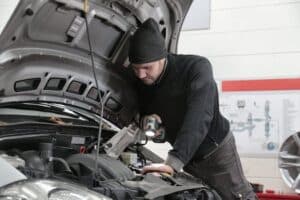
In the hustle and bustle of daily life, it’s easy to overlook the essential care your vehicle needs. Preventive maintenance plays a crucial role in keeping your vehicle running smoothly and avoiding costly repairs down the road. Here are some concise and actionable tips to help you maintain the health and reliability of your vehicle:
1. Regular Oil Changes: Change the oil and oil filter according to the manufacturer’s recommendations. Clean oil keeps your engine lubricated and prevents excessive wear.
2. Check Fluid Levels: Regularly inspect and top up essential fluids such as coolant, brake fluid, transmission fluid, and power steering fluid.
3. Inspect Belts and Hoses: Check for cracks, wear, or damage in the belts and hoses. Replace them if they show signs of deterioration.
4. Monitor Tire Pressure: Keep your tires properly inflated to improve fuel efficiency and ensure even tire wear. Don’t forget to include the spare tire in your checks.
5. Rotate and Balance Tires: Regularly rotate your tires to promote even tread wear. Balancing them ensures a smoother ride and prevents vibrations.
6. Brake System Inspection: Check the brake pads, rotors, and brake fluid regularly. Addressing brake issues promptly is essential for your safety.
7. Air Filter Replacement: Replace the air filter according to your vehicle’s manual. A clean air filter improves fuel efficiency and engine performance.
8. Battery Maintenance: Keep the battery terminals clean and free of corrosion. Test the battery regularly and replace it if it’s nearing the end of its lifespan.
9. Inspect Lights: Regularly check all exterior and interior lights, including headlights, brake lights, turn signals, and interior bulbs.
10. Maintain Cooling System: Check the radiator and coolant levels. Overheating can cause serious engine damage, so proper cooling system maintenance is vital.
11. Inspect Suspension: Ensure that your suspension components are in good condition. Worn-out shocks and struts can affect your vehicle’s handling and safety.
12. Alignment Check: Get your wheels aligned if you notice uneven tire wear or your vehicle pulling to one side.
13. Clean and Wax: Regularly wash and wax your vehicle to protect the paint from dirt, UV rays, and environmental elements.
14. Use High-Quality Fuel: Choose the recommended fuel grade for your vehicle. Quality fuel can prevent engine knock and maintain performance.
15. Listen and Feel: Pay attention to any unusual sounds, vibrations, or changes in your vehicle’s performance. Addressing issues early can prevent bigger problems.
16. Read the Manual: Familiarize yourself with your vehicle’s manual. It contains valuable information about maintenance schedules and recommended practices.
Remember, preventive maintenance not only saves you money in the long run but also ensures your safety and the safety of others on the road. By following these simple tips, you’ll extend the life of your vehicle and enjoy a smoother, trouble-free driving experience.
RELATED SEARCH TERMS ABOUT PREVENTIVE MAINTENANCE TIPS:
- Vehicle Maintenance Guidelines for Optimal Performance
- Essential Preventive Maintenance Tips for Your Car
- Proactive Vehicle Care: Preventive Maintenance Practices
- Preserving Your Vehicle’s Health: Preventive Maintenance Insights
- A Comprehensive Guide to Effective Preventive Vehicle Maintenance
- Safeguarding Your Investment: Preventive Measures for Vehicle Maintenance
- Prioritizing Vehicle Wellness: Practical Preventive Maintenance Advice
- Nurturing Your Car’s Longevity: Preventive Maintenance Strategies
- Your Vehicle’s Best Friend: Preventive Maintenance for Reliability
- Mastering Preventive Care: Expert Tips for Vehicle Maintenance