Professional Auto Body Repair in Frisco
You’re driving through Frisco, a city known for its vibrant community and increasingly busy roadways. Suddenly, an unforeseen incident occurs – perhaps a minor fender bender in a parking lot, a more significant collision on the Sam Rayburn Tollway, or even damage from a hailstorm common in North Texas.
Your vehicle, an essential instrument of your daily life, now bears the visible scars of this event. In such moments, the necessity of professional auto body repair becomes undeniably evident. This article will guide you through the multifaceted world of auto body repair services in Frisco, outlining what to expect, what to look for, and the processes involved in restoring your vehicle to its pre-accident condition.
When your car sustains damage, it’s not merely a cosmetic issue; it often impacts the structural integrity, safety systems, and overall performance of your vehicle. Frisco, as a rapidly developing suburban hub, hosts numerous auto body repair facilities, each varying in specialization, size, and approach.
Your task is to navigate this landscape to select the establishment best suited to your specific needs. This isn’t just about finding someone who can “fix” the dent; it’s about entrusting a complex piece of engineering to skilled professionals who understand its intricate nature.
The Spectrum of Damage
Consider the analogy of a medical doctor. Just as you wouldn’t consult a general practitioner for complex neurosurgery, you wouldn’t take a vehicle with frame damage to a shop specializing solely in paintless dent repair. The type of damage your vehicle has sustained dictates the kind of expertise required.
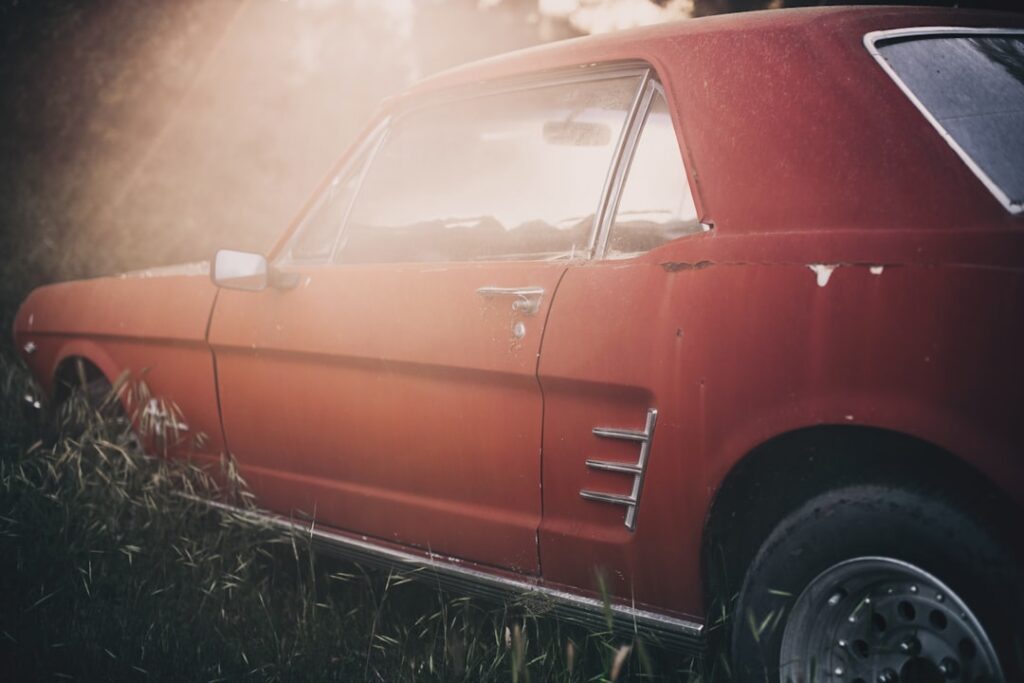
Minor Cosmetic Blemishes
These might include door dings, minor scratches, or scuffs that don’t penetrate the clear coat significantly. Often, these can be remedied with less invasive techniques. Paintless Dent Repair (PDR) is commonly used here, where skilled technicians use specialized tools to massage the metal back to its original shape without disturbing the paint finish. This is a craftsman’s art, where patience and precision are paramount.
Moderate Panel Damage
This category encompasses more pronounced dents, creased body panels, or damage requiring panel replacement. Here, traditional body repair techniques come into play. This involves hammering, sanding, filling, and preparing the surface for repainting. This is where the artistry of matching paint – akin to a chemist blending precise compounds – becomes critical.
Structural and Major Collision Damage
The most severe cases involve damage to the vehicle’s unibody or frame. This is where the car’s skeletal system has been compromised. Repairing such damage demands specialized equipment like frame machines, laser measuring systems, and certified technicians.
This is not merely about aesthetics; it is about restoring the vehicle’s crashworthiness and structural integrity, ensuring that it can protect its occupants in the event of another collision. You wouldn’t want a house with a compromised foundation; similarly, your car’s frame is its very foundation.
If you’re interested in learning more about the intricacies of auto body repair, particularly techniques that can help restore your vehicle’s appearance without traditional methods, you might find this article on paintless dent removal insightful. It delves into the art of repairing your car’s beauty while maintaining its original finish. For more information, check out the article here: The Art of Paintless Dent Removal.
Navigating the Repair Process: A Step-by-Step Guide
Once you’ve identified the type of damage, the next step is initiating the repair process. This often involves insurance companies, multiple assessments, and a sequence of technical operations. Understanding these steps can alleviate much of the anxiety associated with auto body repair.
Initial Assessment and Estimate
Your journey typically begins with an initial assessment at a chosen repair facility. The estimator, a key figure in this process, will meticulously examine the damage, often dismantling specific components to uncover hidden issues. This is not a cursory glance; it’s an investigative procedure. They will then generate a detailed estimate outlining labor costs, required parts, and an estimated timeframe for completion.
Understanding the Estimate
The estimate is not just a price tag; it’s a blueprint of the repair. It should itemize every part, every hour of labor, and every material. You’ll often see terms like “R&I” (remove and install) and “R&R” (remove and replace), as well as specific paint codes. Don’t hesitate to ask questions if any line item is unclear.
A transparent shop will be happy to explain each detail. Remember, the initial estimate is often a preliminary assessment, and a supplementary forecast may be required if additional damage is discovered during teardown.
Insurance Company Interaction
For most significant repairs, insurance companies play a pivotal role. Your shop will often assist you in communicating with your insurance adjuster, submitting estimates, and negotiating repair costs. Some shops have direct repair agreements (DRP) with insurance companies, which can streamline the process, but you, the vehicle owner, always retain the right to choose your repair facility.
Your Rights as a Policyholder
It’s crucial to understand that your insurance company cannot mandate where you get your vehicle repaired. They may recommend certain shops, particularly those within their DRP network, but the final decision is yours. This is a crucial autonomy to exercise, ensuring you select a shop you trust, rather than one chosen solely for its contractual relationship with an insurer.
The Repair Phase
Once approvals are in place, the physical repair work commences. This is where specialized technicians, armed with tools ranging from precision welders to state-of-the-art paint booths, bring their expertise to bear.
Structural Repair
If your vehicle has sustained frame or unibody damage, it will be anchored to a frame machine. Using computer-aided measuring systems, technicians precisely pull and align the frame to factory specifications. This is a critical step for maintaining the vehicle’s structural integrity and ensuring proper suspension and alignment. Imagine trying to straighten a bent ladder – it requires precise force applied at specific points.
Panel Replacement and Bodywork
Damaged panels that cannot be effectively repaired are replaced with new ones, often original equipment manufacturer (OEM) parts, but sometimes aftermarket or recycled parts, depending on your insurance policy and preference. Body technicians then meticulously work on the remaining panels, erasing dents, filling imperfections, and smoothing surfaces to prepare for painting. This is where imperfections are meticulously erased, much like a potter refining their clay.
Paint and Refinishing
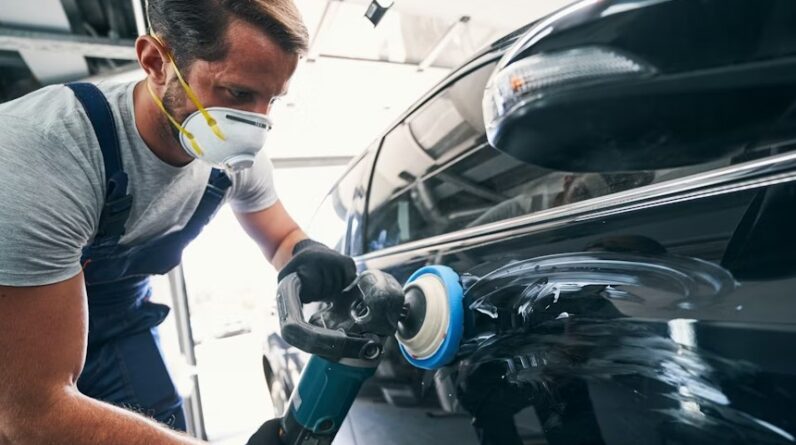
The paint booth is a controlled environment where the vehicle receives its new outer skin. Modern automotive paints are complex, multi-layered systems comprising primers, colorbasecoats, and clear coats for protection and gloss. Color matching is performed using computerized systems and skilled human eyes to achieve a seamless blend with the existing paint. This is an art form where precise application and environmental control are paramount for achieving a factory-quality finish.
The Hallmarks of a Reputable Auto Body Shop in Frisco
Choosing the right auto body shop is akin to selecting a highly skilled surgeon for a delicate operation. You wouldn’t choose based solely on price; instead, you’d prioritize skill, experience, and reputation. In Frisco, you have options, and knowing what to look for will empower you to make an informed decision.
Certifications and Training
Modern vehicles are technological marvels, incorporating advanced materials like high-strength steel, aluminum, and even composites, along with complex electronic safety systems (ADAS – Advanced Driver-Assistance Systems). Repairing these vehicles requires specialized knowledge and equipment.
Manufacturer Certifications
Many reputable shops invest in manufacturer certifications (e.g., Ford Certified Collision Network, Honda ProFirst, Nissan Certified Collision Repair Network). These certifications indicate that the shop has met stringent training requirements, utilizes specific equipment, and adheres to manufacturer-recommended repair procedures. This is a strong indicator of their commitment to repairing your particular make and model correctly.
Industry Certifications (I-CAR and ASE)
Beyond manufacturer-specific training, look for industry certifications such as I-CAR (Inter-Industry Conference on Auto Collision Repair) and ASE (Automotive Service Excellence). I-CAR provides comprehensive training on collision repair techniques, materials, and safety protocols. ASE certification demonstrates a technician’s competence in various automotive specialties. These are benchmarks of professional excellence within the industry.
Equipment and Technology
The tools available to a repair shop are a direct reflection of its capabilities. Advanced diagnostic and repair equipment is non-negotiable for modern vehicles.
Frame Machines and Computerized Measuring Systems
For structural repairs, shops should have modern frame machines capable of pulling and aligning vehicles with precision. Coupled with computerized measuring systems, these tools ensure that the vehicle’s structural components are returned to factory specifications, mitigating issues with alignment, suspension, and overall handling.
Advanced Welding Equipment
Many modern vehicles use specialized welding techniques, such as resistance spot welding, which require specific equipment and training. A shop that can replicate factory welds is crucial for maintaining the vehicle’s original strength and safety.
Paint Booths and Color Matching Technology
A down-draft, temperature-controlled paint booth ensures a clean, dust-free environment for painting, leading to a superior finish. Computerized color-matching systems, combined with a skilled painter’s eye, are essential for achieving an undetectable blend.
Customer Service and Transparency
While technical expertise is paramount, the human element cannot be overlooked. A shop that communicates effectively and operates with transparency instills confidence.
Clear Communication
You should expect regular updates on your vehicle’s repair status. A reputable shop will proactively inform you of any changes to the estimate or timeline. They should be willing to explain technical terms clearly.
Warranty on Repairs
A strong indicator of a shop’s confidence in its work is a warranty on repairs. Most reputable shops offer a limited lifetime warranty on paint and artistry, reflecting their commitment to quality and standing behind their services.
The Aftermath: Post-Repair Considerations
Once your vehicle has been repaired and you’ve driven it off the lot, the process isn’t entirely over. There are a few post-repair considerations that you should be aware of to ensure your long-term satisfaction and safety.
Thorough Inspection Upon Pickup
Before driving away, perform a thorough inspection of your vehicle. Check the areas that were repaired for proper alignment, consistent paint finish, and functionality of all components. Don’t be afraid to point out anything that seems amiss. A reputable shop will be happy to address your concerns immediately.
Test Drive
Take your vehicle for a test drive. Listen for any unusual noises, feel for any changes in steering or braking, and ensure all warning lights are off. After a significant collision, even with extensive repairs, the most minor anomaly could indicate an underlying issue.
Understanding Your Repair Warranty
Familiarize yourself with the specifics of the shop’s warranty. What does it cover? How long is it valid? Keep all repair documentation, including the final invoice and warranty information, in a safe place. This paperwork is your safety net, your compass in the rare event that a problem arises later.
ADAS System Recalibration
If your vehicle is equipped with Advanced Driver-Assistance Systems (ADAS), such as lane departure warning, adaptive cruise control, or automatic emergency braking, these systems often require recalibration after a collision repair, especially if sensors were impacted or replaced.
This is a critical step for your safety and the proper functioning of these complex technologies. Ensure the shop has performed or outsourced this crucial service. Ignoring this could render these safety features ineffective or even dangerous.
For those interested in the intricacies of Professional Auto Body Repair in Frisco, understanding the costs associated with various repairs is crucial. A related article, Understanding Repair Costs and Estimates, delves into this topic and provides valuable insights into how estimates are formulated and what factors influence repair pricing. By familiarizing yourself with these details, you can make more informed decisions when seeking auto body services.
Conclusion: Driving with Confidence in Frisco
| Metric | Value | Details |
|---|---|---|
| Average Repair Time | 3-5 days | Typical duration for standard collision repairs |
| Customer Satisfaction Rate | 95% | Based on customer reviews and feedback |
| Warranty Period | Lifetime | Warranty on all paint and bodywork |
| Types of Services | Collision Repair, Paintless Dent Repair, Frame Straightening, Paint Matching | Comprehensive auto body repair services are offered |
| Insurance Claims Assistance | Yes | Helps customers with insurance paperwork and claims |
| Free Estimates | Available | No obligation quotes provided |
| Certified Technicians | ASE Certified | Technicians with professional certification |
| Customer Pickup & Delivery | Available | Convenience service for customers in the Frisco area |
The need for auto body repair can be an unwelcome and stressful event. However, by understanding the intricacies of the process, recognizing the hallmarks of a reputable facility, and actively participating in your vehicle’s restoration, you can make informed decisions. In Frisco, you have access to a range of professional auto body repair services.
Your vehicle is more than just transportation; it’s an investment, a tool for connectivity, and a crucial component of your personal safety. Entrusting its repair to skilled, certified professionals who utilize advanced technology is not merely a choice; it’s a necessity.
By following the guidelines outlined in this article, you can transform the disruption of an accident into an opportunity for restoration, ensuring that your vehicle returns to you in a condition that is not only cosmetically appealing but also structurally sound and entirely safe, allowing you to navigate the roads of Frisco with renewed confidence.
FAQs
What types of services are typically offered in professional auto body repair in Frisco?
Professional auto body repair shops in Frisco usually offer services such as collision repair, dent removal, paintless dent repair, frame straightening, paint matching and refinishing, bumper repair, and windshield replacement.
How long does a typical auto body repair take in Frisco?
The duration of auto body repair depends on the extent of the damage. Minor repairs, such as dent removal, may take a few hours, while major collision repairs can take several days to a couple of weeks.
Are professional auto body repair shops in Frisco certified?
Many professional auto body repair shops in Frisco hold certifications from organizations such as the National Institute for Automotive Service Excellence (ASE) or are recognized by vehicle manufacturers, ensuring quality and expertise.
Does insurance usually cover auto body repairs in Frisco?
Auto body repairs resulting from accidents are often covered by insurance policies, depending on the coverage type and circumstances. It is advisable to check with your insurance provider and the repair shop for assistance with claims.
How can I choose a reliable auto body repair shop in Frisco?
To choose a reliable shop, consider factors such as certifications, customer reviews, warranty on repairs, experience with your vehicle make and model, and whether they work directly with insurance companies. Visiting the shop and asking questions can also help ensure quality service.
Maps Of Frisco, Texas
Weather In Frisco, Texas
[simple-weather location=”Frisco, Texas”]
Here is one Professional Auto Body Repair in Frisco
Frisco Auto Body
Auto body shop
5+ years in business · 1949 Witt Rd
+1 972-505-6822
Advanced Auto Hail & Collision Repair
Auto body shop
3+ years in business · 15222 King Rd suite 1102
+1 469-237-1651
Frisco Paint & Body Inc.
Auto body shop
10+ years in business · 7059 Main St
+1 972-335-3515
RELATED TOPICS ABOUT Professional Auto Body Repair in Frisco
Expert Car Body Repair in Frisco
Precision Dent Repair Frisco TX
High-End Scratch Repair in Frisco
Professional Auto Body Restoration Frisco
Professional Car Paint Services Frisco
Elite Collision Repair Frisco TX
Top Auto Body Shops in Frisco
Car Body Maintenance Frisco
Comprehensive Auto Body Repair in Frisco
Auto Body Repair Estimation in Frisco