
When you think about the materials that make up your vehicle, plastic might not be the first thing that comes to mind. However, plastics play a crucial role in modern automotive design, contributing to both functionality and aesthetics. Various types of plastics are utilized in car manufacturing, each selected for its unique properties.
For instance, acrylonitrile butadiene styrene (ABS) is commonly used for interior components due to its strength and resistance to impact. Polypropylene (PP) is another popular choice, often found in bumpers and under-the-hood applications because of its lightweight nature and excellent chemical resistance. Understanding the different types of plastics used in car parts can help you appreciate their specific roles and advantages.
Polycarbonate (PC), known for its high impact resistance, is frequently used in headlight lenses and other exterior components. Meanwhile, thermoplastic elastomers (TPE) are often employed for seals and gaskets due to their flexibility and durability. By familiarizing yourself with these materials, you can better understand how they contribute to your vehicle’s performance and longevity, as well as how to address any issues that may arise over time.
- There are different types of plastic used in car parts, including polypropylene, polyurethane, and ABS, each with its own unique properties and repair considerations.
- When assessing damage to plastic car parts, it’s important to consider the type of plastic, the extent of the damage, and whether the part can be repaired or needs to be replaced.
- The right repair method for plastic car parts depends on the type of plastic, the size and location of the damage, and the tools and materials available for the repair.
- Properly preparing the surface for repair is crucial for ensuring adhesion and a seamless finish, including cleaning, sanding, and applying adhesion promoter if necessary.
- Repairing cracks and holes in plastic car parts can be done using techniques such as plastic welding, epoxy repair, or plastic filler, depending on the type and severity of the damage.
- Restoring the appearance of plastic car parts may involve techniques such as sanding, priming, painting, and clear coating to achieve a seamless finish that matches the original appearance.
- Protecting repaired plastic car parts from future damage can be done by applying a protective coating or film, parking in shaded areas, and regular cleaning and maintenance.
- Tips for maintaining and extending the lifespan of repaired plastic car parts include regular cleaning, avoiding harsh chemicals, and using UV protectants to prevent fading and deterioration.
Assessing the Damage to Plastic Car Parts
Before you can effectively repair any damaged plastic parts on your vehicle, it’s essential to assess the extent of the damage. Start by examining the affected area closely. Look for cracks, scratches, or any signs of deformation.
Sometimes, damage may not be immediately visible, so it’s wise to inspect both the surface and the underlying structure. If you notice any loose pieces or parts that seem misaligned, take note of these issues as they may require additional attention during the repair process. Once you have a clear understanding of the damage, consider how it affects the overall functionality of the part.
For example, a cracked bumper may not only look unsightly but could also compromise your vehicle’s safety features. Similarly, a damaged headlight lens can reduce visibility while driving at night. By evaluating both the aesthetic and functional implications of the damage, you can prioritize your repair efforts and ensure that your vehicle remains safe and visually appealing.
Choosing the Right Repair Method for Plastic Car Parts

Selecting the appropriate repair method for plastic car parts is crucial for achieving a lasting fix. There are several options available, each suited to different types of damage. For minor scratches or scuffs, a simple polishing compound may suffice to restore the surface finish.
However, if you’re dealing with cracks or holes, more involved methods such as plastic welding or using epoxy adhesives may be necessary. When choosing a repair method, consider factors such as the type of plastic involved and the severity of the damage. For instance, plastic welding is ideal for thermoplastics like ABS and PP, as it involves melting the edges of the crack and fusing them together.
On the other hand, epoxy adhesives work well for bonding different types of plastics or filling larger gaps. By carefully evaluating your options and selecting the right method, you can ensure a successful repair that stands the test of time.
Preparing the Surface for Repair
Proper surface preparation is a critical step in ensuring a successful repair of plastic car parts. Before applying any adhesive or filler, you need to clean the damaged area thoroughly. Use a mild detergent and water to remove dirt, grease, and any other contaminants that could interfere with adhesion.
After cleaning, dry the surface completely with a lint-free cloth to prevent moisture from compromising the repair. In addition to cleaning, you may also need to sand the damaged area lightly. This helps create a rough surface that promotes better adhesion for fillers or adhesives.
Use fine-grit sandpaper to avoid causing further damage while still providing enough texture for a strong bond. Once you’ve prepared the surface by cleaning and sanding, you’ll be ready to move on to the actual repair process with confidence.
Repairing Cracks and Holes in Plastic Car Parts
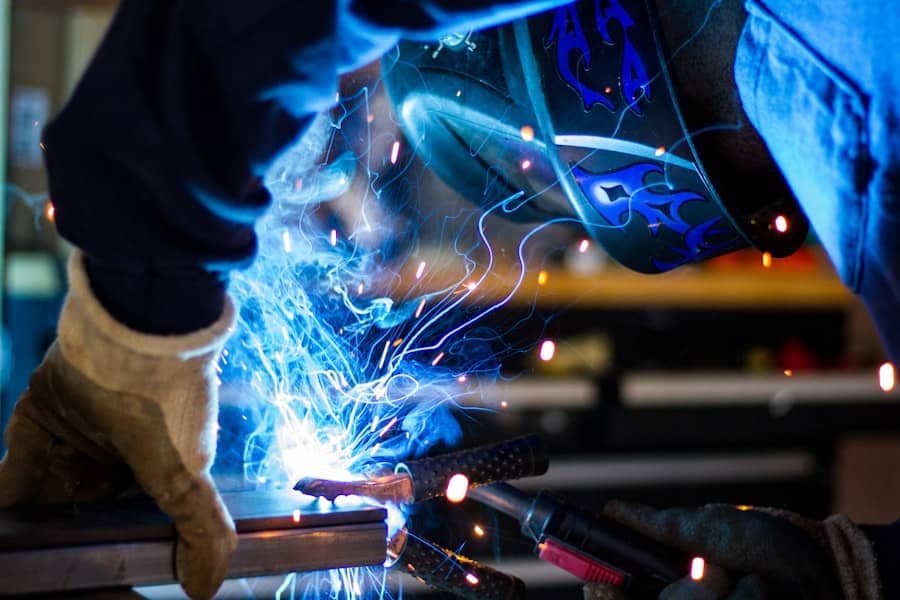
When it comes to repairing cracks and holes in plastic car parts, there are several effective techniques you can employ. For small cracks, using a plastic welding kit can be an excellent option. This method involves heating a specialized welding rod that matches the type of plastic in your car part and applying it along the crack.
As the rod melts into the crack, it creates a strong bond that restores structural integrity. For larger holes or more extensive damage, epoxy adhesives can be particularly useful. Begin by mixing the epoxy according to the manufacturer’s instructions and then apply it generously to fill the hole or crack.
Use a putty knife or similar tool to smooth out the surface and ensure it’s level with the surrounding area. Allow the epoxy to cure fully before sanding it down for a seamless finish. By employing these techniques, you can effectively restore your plastic car parts and extend their lifespan.
Restoring the Appearance of Plastic Car Parts
Restoring the Appearance of Plastic Car Parts
Once you’ve repaired any structural damage to your plastic car parts, it’s time to focus on restoring their appearance. Over time, plastic can become faded or discolored due to exposure to UV rays and environmental factors.
Using Specialized Plastic Restorers and Conditioners
To rejuvenate the look of your car parts, consider using specialized plastic restorers or conditioners designed to bring back color and shine. These products can help restore the original appearance of your car’s plastic components.
Applying Plastic Restorers and Conditioners
Applying these products is typically straightforward; simply follow the manufacturer’s instructions for best results. In many cases, you’ll need to clean the surface first before applying the restorer with a soft cloth or applicator pad. After allowing it to penetrate for a few minutes, buff it out with a clean cloth to reveal a refreshed finish.
Enhancing Aesthetics and Protection
This step not only enhances aesthetics but also provides an additional layer of protection against future wear and tear. By restoring the appearance of your plastic car parts, you can maintain your vehicle’s overall look and extend the lifespan of its components.
Protecting Repaired Plastic Car Parts from Future Damage
After investing time and effort into repairing your plastic car parts, it’s essential to take steps to protect them from future damage. One effective way to do this is by applying a UV protectant specifically designed for automotive plastics. These products create a barrier against harmful UV rays that can cause fading and brittleness over time.
Additionally, consider parking your vehicle in shaded areas or using a car cover when it’s not in use. This simple practice can significantly reduce exposure to sunlight and environmental pollutants that contribute to wear on plastic surfaces. Regularly washing your vehicle with gentle cleaning products will also help maintain its appearance while preventing dirt buildup that could lead to scratches or other damage.
Tips for Maintaining and Extending the Lifespan of Repaired Plastic Car Parts
To ensure that your repaired plastic car parts remain in good condition for years to come, regular maintenance is key. Start by incorporating routine inspections into your vehicle care regimen; this will help you catch any potential issues early on before they escalate into more significant problems. Look for signs of wear such as cracks or discoloration and address them promptly.
In addition to inspections, make it a habit to clean your plastic parts regularly using mild soap and water rather than harsh chemicals that could degrade their integrity over time. Applying protective coatings or sealants periodically can also help shield them from environmental damage. By following these tips and being proactive about maintenance, you can significantly extend the lifespan of your repaired plastic car parts while keeping your vehicle looking its best.
If you are looking to repair plastic car parts, you may also be interested in learning about the myths surrounding auto body repair. Check out this article to separate fact from fiction when it comes to fixing your vehicle. Additionally, if you are in Tempe, Arizona or Portland, Oregon and in need of auto body repair services, be sure to read about the best shops in those areas by visiting Tempe, Arizona and Portland, Oregon.
FAQs
What are common types of plastic car parts that can be repaired?
Some common types of plastic car parts that can be repaired include bumpers, trim pieces, interior panels, and exterior body panels.
What are the methods used to repair plastic car parts?
Some common methods used to repair plastic car parts include plastic welding, epoxy adhesives, plastic fillers, and plastic patching.
Can all types of plastic car parts be repaired?
Not all types of plastic car parts can be repaired. The repairability of a plastic car part depends on the type of plastic, the extent of the damage, and the availability of replacement parts.
Is it better to repair or replace a damaged plastic car part?
In some cases, it may be more cost-effective to repair a damaged plastic car part rather than replacing it. However, in other cases, especially if the damage is extensive, replacing the part may be the better option.
What are the benefits of repairing plastic car parts?
Repairing plastic car parts can be more cost-effective than replacing them, it can also help to reduce waste and contribute to environmental sustainability. Additionally, repairing a plastic car part can help to maintain the original aesthetics of the vehicle.





