
Rust damage is a common issue that many vehicle owners face, and it can lead to significant problems if not addressed promptly. At its core, rust is the result of a chemical reaction between iron, oxygen, and moisture. When your vehicle’s metal surfaces are exposed to these elements, they can begin to corrode, leading to unsightly blemishes and structural weaknesses.
Understanding the nature of rust is crucial for you as a car owner, as it allows you to take proactive measures to protect your investment. Rust can manifest in various forms, from surface rust that appears as small, flaky patches to more severe cases where the metal has deteriorated significantly. The latter can compromise the integrity of your vehicle, affecting not only its appearance but also its safety and performance.
Recognizing the signs of rust early on can save you time and money in the long run. By familiarizing yourself with the causes and effects of rust damage, you can better equip yourself to tackle this issue head-on.
- Rust is a result of metal oxidation and can cause structural damage to vehicles if left untreated.
- Assessing the extent of rust damage is crucial in determining the appropriate repair method and materials needed.
- Tools and materials for rust repair may include sandpaper, rust converter, primer, and paint for a complete restoration.
- The step-by-step rust repair process involves removing the rust, applying rust converter, priming, and painting the affected area.
- Preventing future rust damage can be done through regular washing, waxing, and applying rust-inhibiting coatings.
- DIY rust repair can be cost-effective but may require specialized tools and expertise, while professional repair ensures quality and warranty.
- The cost of rust repair varies depending on the extent of damage, materials needed, and labor costs.
- Finding a reliable auto body shop is essential for quality rust repair and maintenance of your vehicle’s structural integrity.
Assessing the Extent of Rust
Before you can effectively address rust damage, you need to assess its extent. This involves a thorough inspection of your vehicle to identify all affected areas. Start by examining the body panels, wheel wells, and undercarriage, as these are common spots for rust to develop.
Look for discoloration, bubbling paint, or any signs of corrosion. It’s essential to be meticulous during this process; even small patches of rust can grow if left untreated. Once you’ve identified the visible signs of rust, it’s time to dig deeper.
Sometimes, rust can be lurking beneath the surface, especially in areas where moisture tends to accumulate. You may need to remove wheel covers or inspect inside door frames to uncover hidden damage. If you’re unsure about the severity of the rust, consider using a magnet; if it doesn’t stick in certain areas, it may indicate that the metal has corroded.
By thoroughly assessing the extent of rust damage, you can determine whether a simple repair will suffice or if more extensive work is necessary.
Tools and Materials for Rust Repair
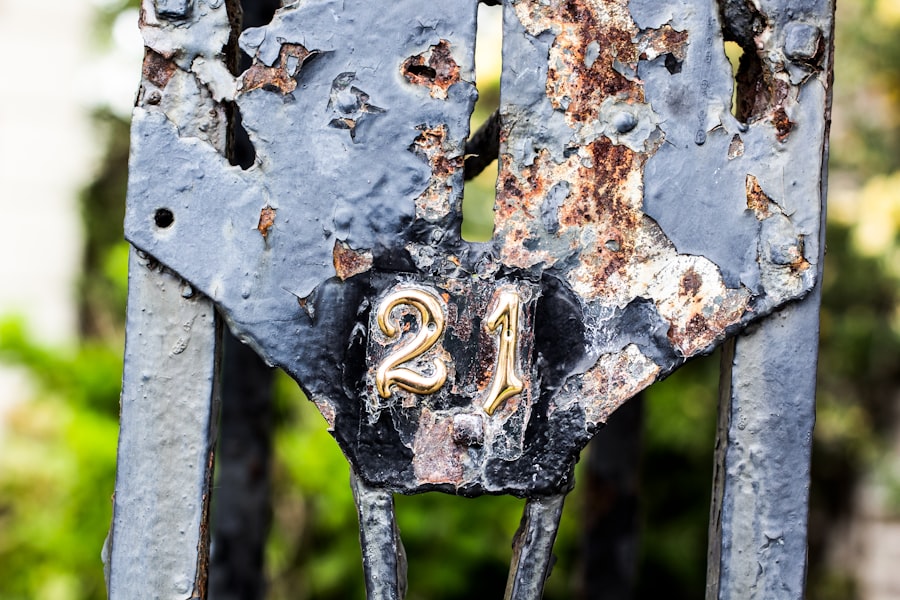
Equipping yourself with the right tools and materials is essential for a successful rust repair project. Depending on the severity of the rust damage you’ve assessed, you may need a variety of items. Basic tools include sandpaper or a wire brush for removing rust, a grinder for more severe cases, and a putty knife for applying filler.
Additionally, you’ll want to have safety gear on hand, such as gloves and goggles, to protect yourself during the repair process. In terms of materials, you’ll need rust-inhibiting primer and paint to ensure that your repairs last. If you’re dealing with deeper rust damage, consider using a metal filler or epoxy to restore the affected area before painting.
It’s also wise to have cleaning supplies on hand, such as degreasers or solvents, to prepare the surface for repair. By gathering all necessary tools and materials beforehand, you can streamline the repair process and minimize interruptions.
Step-by-Step Rust Repair Process
Once you’ve assessed the extent of the rust damage and gathered your tools and materials, it’s time to dive into the step-by-step repair process. Start by cleaning the affected area thoroughly; this will help remove any dirt or debris that could interfere with your repairs. Use a degreaser or solvent to ensure that the surface is clean and ready for treatment.
Next, begin removing the rust using sandpaper or a wire brush. For more severe cases, you may need to use a grinder to eliminate all traces of corrosion. Be sure to wear protective gear during this step, as rust particles can become airborne.
After you’ve removed the rust, inspect the area again to ensure that no remnants remain. If necessary, apply a metal filler or epoxy to fill in any pits or holes left by the corrosion. Once you’ve prepared the surface, apply a rust-inhibiting primer to prevent future corrosion.
Allow it to dry completely before moving on to painting. Choose a paint that matches your vehicle’s color and provides additional protection against rust. After applying the paint, let it cure according to the manufacturer’s instructions before reassembling any parts you may have removed during the process.
Preventing Future Rust Damage
After successfully repairing rust damage on your vehicle, it’s crucial to take steps to prevent future occurrences. Regular maintenance is key; wash your car frequently to remove dirt and grime that can trap moisture against the metal surfaces. Pay special attention to areas prone to rust, such as wheel wells and undercarriages, where salt and debris can accumulate.
Additionally, consider applying a protective wax or sealant after washing your vehicle. This creates a barrier against moisture and helps shield your car from environmental elements that contribute to rust formation. If you live in an area with harsh winters or high humidity, investing in undercoating can provide extra protection against corrosion.
By being proactive about maintenance and protection, you can significantly reduce the likelihood of future rust damage.
When it comes to rust repair, you may find yourself weighing the options between tackling the project yourself or hiring a professional. DIY repairs can be rewarding and cost-effective if you’re comfortable working with tools and have some experience with automotive maintenance. However, it’s essential to be realistic about your skills and the extent of the damage.
If you’re dealing with minor surface rust or small patches, a DIY approach may be entirely feasible. On the other hand, if you discover extensive corrosion that compromises structural integrity or requires specialized techniques, seeking professional help is advisable. Professionals have access to advanced tools and materials that can ensure a more durable repair.
Ultimately, your decision should be based on your comfort level with repairs and the severity of the rust damage.
Cost of Rust Repair
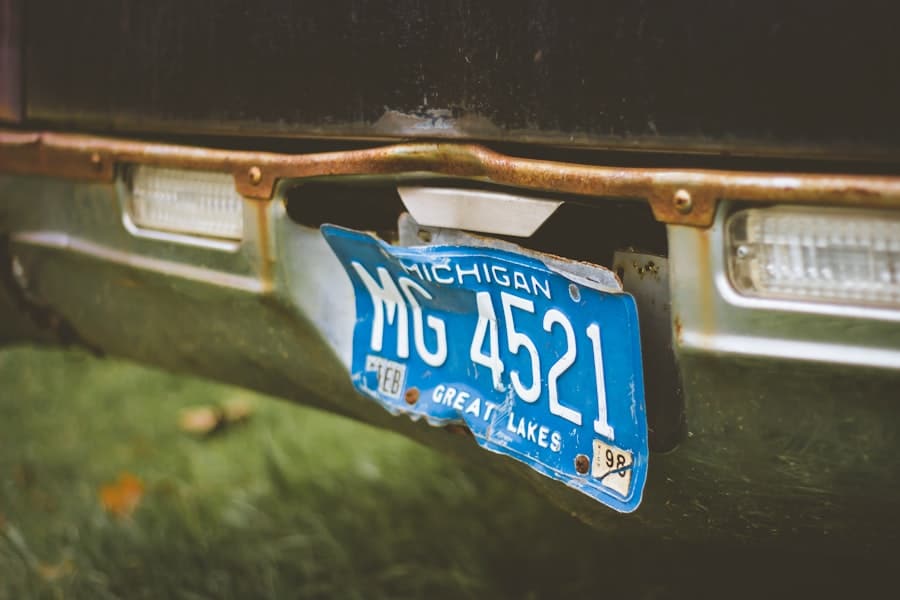
The cost of rust repair can vary widely depending on several factors, including the extent of damage, location of repairs, and whether you choose a DIY approach or hire a professional. For minor surface rust repairs that you handle yourself, you might only spend around $50 to $100 on materials like sandpaper, primer, and paint. However, if you’re dealing with more extensive damage requiring professional intervention, costs can escalate significantly.
Professional rust repair services typically range from $200 to $1,500 or more based on the severity of the damage and labor involved. Factors such as labor rates in your area and whether parts need replacement will also influence overall costs. It’s wise to obtain multiple quotes from different auto body shops if you decide to go this route so that you can make an informed decision based on your budget.
Finding a Reliable Auto Body Shop
If you’ve opted for professional assistance in addressing rust damage on your vehicle, finding a reliable auto body shop is crucial. Start by seeking recommendations from friends or family who have had similar work done; personal experiences can provide valuable insights into quality service providers in your area. Once you’ve compiled a list of potential shops, take time to research their reputations online.
Look for customer reviews and ratings on platforms like Google or Yelp; these can give you an idea of their reliability and quality of work. Additionally, check if they are certified by organizations such as the Better Business Bureau (BBB) or have industry certifications that demonstrate their expertise. When visiting potential shops, pay attention to their cleanliness and organization; a well-maintained facility often reflects professionalism in their work ethic.
Don’t hesitate to ask questions about their experience with rust repairs specifically and request estimates for your project. By taking these steps, you can find a trustworthy auto body shop that will restore your vehicle effectively while providing peace of mind throughout the process. In conclusion, understanding rust damage is essential for maintaining your vehicle’s integrity and appearance.
By assessing the extent of damage accurately and equipping yourself with the right tools and materials, you can tackle repairs effectively—whether through DIY methods or professional assistance. Preventative measures play a vital role in safeguarding against future issues while being mindful of costs ensures that you stay within budget during repairs. Ultimately, finding a reliable auto body shop will help ensure that your vehicle remains in top condition for years to come.
If you are looking for the best auto body repair in Las Vegas, Nevada or New York, New York, be sure to check out the article “Best Auto Body Repair in Las Vegas, Nevada” or “Best Auto Body Repair in New York, New York”. These articles provide valuable information on top-rated auto body repair shops in these cities. Additionally, if you want to understand more about auto body repair warranties and how they can protect you, be sure to read the article “Understanding the Auto Body Repair Warranty: Your Protection for Peace of Mind”. This article explains the importance of warranties in the auto body repair process.
FAQs
What is rust repair in auto body work?
Rust repair in auto body work refers to the process of removing and repairing rusted areas on a vehicle’s exterior. This typically involves sanding or grinding away the rust, applying a rust inhibitor, and then filling and painting the affected area to restore the vehicle’s appearance and prevent further corrosion.
Why is rust repair important for a vehicle?
Rust can compromise the structural integrity and appearance of a vehicle, leading to safety hazards and decreased resale value. Rust repair is important to maintain the overall condition and longevity of the vehicle.
How can I prevent rust on my vehicle?
Regularly washing and waxing your vehicle, keeping it out of harsh weather conditions, and promptly addressing any scratches or chips in the paint can help prevent rust from forming. Additionally, applying a rust inhibitor or protective coating to vulnerable areas can provide an extra layer of defense against corrosion.
Can I do rust repair on my own, or should I seek professional help?
While minor surface rust can be addressed with DIY methods, more extensive rust damage or structural issues should be handled by a professional auto body repair technician. They have the expertise and tools to properly assess and repair the damage, ensuring the safety and appearance of the vehicle.





