Restoring vintage cars is not merely a hobby; it is a passion that connects you to the rich history of automotive engineering and design. As you embark on this journey, you will find that each vehicle tells a unique story, reflecting the era in which it was built. The allure of vintage cars lies in their classic lines, intricate details, and the nostalgia they evoke.
Whether you are a seasoned mechanic or a novice enthusiast, the process of restoring these timeless machines can be both rewarding and challenging. The restoration process allows you to breathe new life into a vehicle that may have been neglected for years. It is an opportunity to preserve automotive history while also creating a personalized masterpiece that reflects your style and preferences.
From the initial assessment to the final touches, every step in the restoration journey is filled with learning experiences and moments of triumph. As you delve into the world of vintage car restoration, you will discover not only the technical skills required but also the joy of connecting with fellow enthusiasts who share your passion.
- Restoring vintage cars requires a combination of passion, patience, and attention to detail.
- Assessing the condition of the vintage car is crucial before starting the restoration process.
- Rust removal techniques such as sandblasting, chemical rust removers, and grinding can help restore the car’s body.
- Bodywork and panel restoration involve repairing dents, replacing panels, and ensuring proper alignment.
- Engine and mechanical restoration involves rebuilding the engine, replacing worn-out parts, and ensuring proper functioning of all mechanical components.
- Interior restoration includes repairing or replacing upholstery, dashboard, and other interior components to bring back the original charm of the car.
- Painting and finishing the car requires careful preparation, priming, painting, and clear coating to achieve a flawless finish.
- Tips for maintaining the restored vintage car include regular cleaning, proper storage, and periodic maintenance to preserve its beauty and functionality.
Assessing the Condition of the Vintage Car
Exterior Inspection
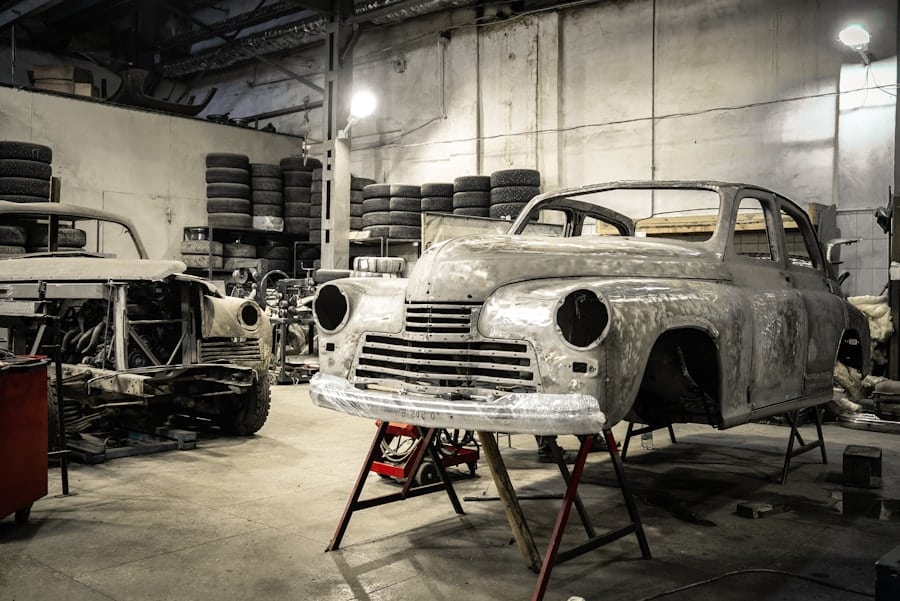
Begin by examining the exterior of the vehicle for signs of rust, dents, or paint damage. Pay close attention to the body panels and undercarriage to identify any structural issues that may require immediate attention.
Engine and Mechanical Components
Next, turn your focus to the engine and mechanical components. Check for leaks, unusual noises, or any signs of wear and tear. It’s crucial to evaluate the condition of the transmission, brakes, and suspension systems as well.
Documentation and Prioritization
A comprehensive assessment will not only give you a clearer picture of what lies ahead but also help you prioritize tasks based on urgency and importance. Be sure to document your findings, as this will serve as a valuable reference throughout the restoration process.
Rust Removal Techniques
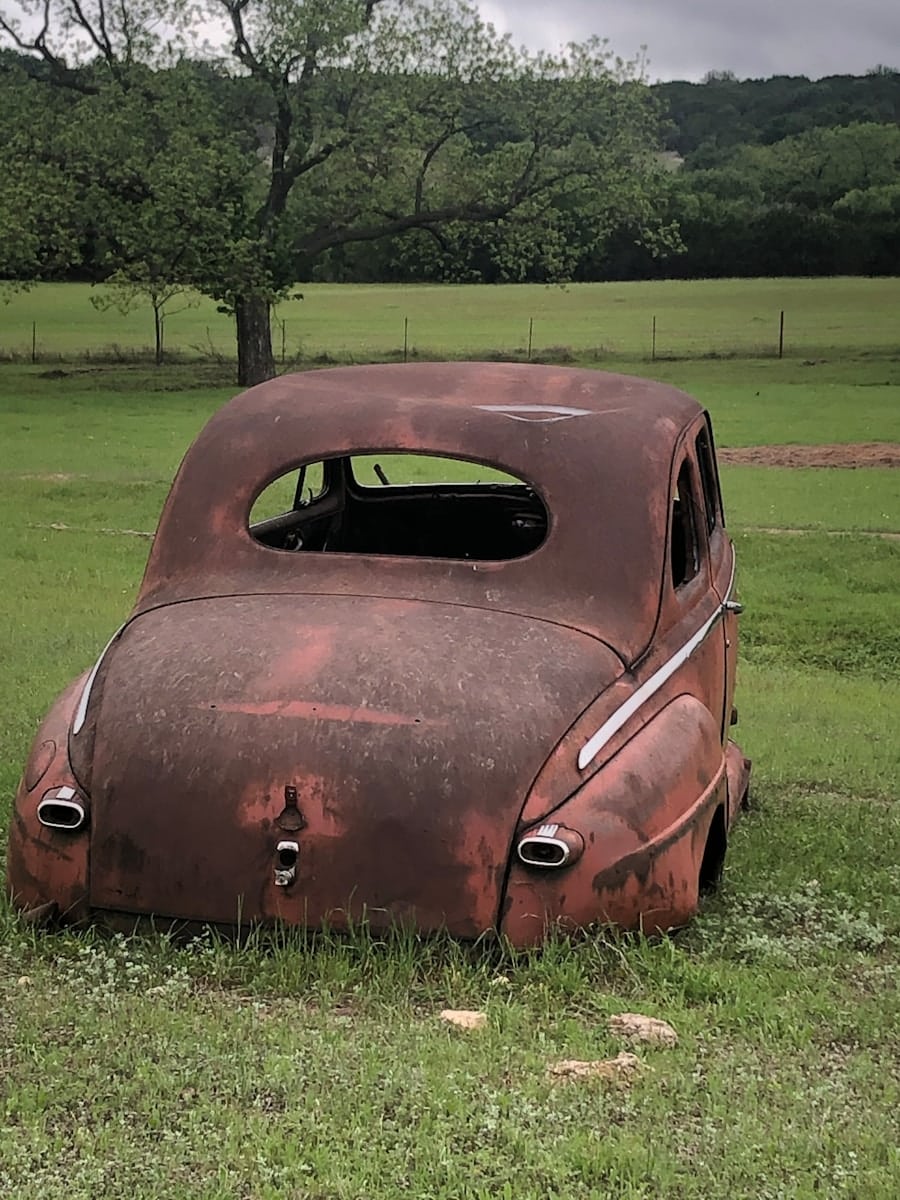
Rust is often one of the most significant challenges you will face when restoring a vintage car. It can compromise both the aesthetics and structural integrity of the vehicle if left untreated. Fortunately, there are several effective techniques for rust removal that you can employ.
One popular method is using a wire brush or grinder to remove surface rust. This approach allows you to tackle rust spots directly and prepare the metal for further treatment. For more extensive rust damage, consider using chemical rust removers or converters.
These products can penetrate deeper into the metal and neutralize rust effectively. After applying a rust remover, it’s essential to clean the area thoroughly and apply a protective coating to prevent future corrosion. Additionally, sandblasting is another option for removing rust from larger areas or intricate parts.
This technique uses high-pressure air to blast abrasive materials against the surface, effectively stripping away rust and old paint.
Bodywork and Panel Restoration
Once you have addressed any rust issues, it’s time to focus on bodywork and panel restoration. This stage involves repairing dents, dings, and any other imperfections that may detract from the car’s overall appearance. Depending on the severity of the damage, you may need to use techniques such as filler application or metal shaping to restore panels to their original form.
Patience is key during this process, as achieving a smooth finish requires careful attention to detail. In some cases, you may find that entire panels need replacement due to extensive damage or rust. Sourcing replacement parts can be challenging, but there are numerous suppliers specializing in vintage car components.
When replacing panels, ensure that they are compatible with your vehicle’s make and model for a seamless fit. Once all repairs are complete, sanding and priming will prepare the surface for painting, ensuring that your hard work shines through in the final product.
Engine and Mechanical Restoration
The heart of any vintage car lies within its engine and mechanical systems. Restoring these components is crucial for ensuring that your vehicle runs smoothly and reliably. Begin by disassembling the engine to inspect each part thoroughly.
Look for signs of wear, such as worn bearings or damaged gaskets, and replace any components that do not meet your standards. Rebuilding the engine may involve cleaning parts, replacing seals, and even upgrading certain components for improved performance. Pay close attention to the fuel system, ignition system, and exhaust components as well.
Each of these systems plays a vital role in your car’s overall functionality. Once everything is reassembled, conduct thorough tests to ensure that all systems are operating correctly before moving on to other mechanical aspects like brakes and suspension.
Interior Restoration
Assessing the Condition of Interior Components
Start by evaluating the condition of seats, carpets, and dashboard components. Depending on their state, you may need to reupholster seats or replace worn-out carpeting with new materials that match the original design.
Attention to Detail Matters
Don’t overlook smaller details such as knobs, switches, and gauges; these elements contribute significantly to the overall aesthetic of your vehicle’s interior. Cleaning and restoring these components can make a world of difference in how your vintage car feels inside.
Adding Modern Conveniences
If you’re feeling adventurous, consider adding modern conveniences like updated sound systems or air conditioning while maintaining the classic look.
Painting and Finishing
After completing all necessary repairs and restorations, it’s time to focus on painting and finishing touches that will bring your vintage car back to life. Choosing the right color is crucial; consider sticking with original factory colors or selecting a shade that resonates with your personal taste. Preparing the surface for painting involves sanding down any imperfections and applying primer to ensure proper adhesion.
When it comes time to paint, using high-quality automotive paint will yield the best results. You can choose between spray painting or using a paint gun for a more professional finish. After applying multiple coats of paint, don’t forget to add a clear coat for protection against UV rays and environmental factors.
Finally, polishing your car will enhance its shine and give it that showroom-ready appearance.
Tips for Maintaining the Restored Vintage Car
Once your vintage car is restored to its former glory, maintaining it becomes essential for preserving its beauty and functionality over time. Regular maintenance checks should include inspecting fluid levels, tire pressure, and brake conditions to ensure everything remains in optimal working order. Keeping detailed records of maintenance activities can help you track any issues that arise over time.
Additionally, consider storing your vintage car in a climate-controlled environment when not in use to protect it from harsh weather conditions that could lead to deterioration. Regularly washing and waxing your vehicle will help maintain its exterior finish while preventing dirt buildup that can cause scratches or rust over time. By following these maintenance tips, you can enjoy your restored vintage car for years to come while preserving its value and charm.
In conclusion, restoring vintage cars is an intricate process that requires dedication, skill, and a genuine love for automotive history. Each step—from assessing condition to final touches—offers unique challenges and rewards that contribute to your growth as an enthusiast. By investing time and effort into this rewarding endeavor, you not only revive a piece of history but also create a lasting connection with a timeless machine that embodies craftsmanship and nostalgia.
If you’re looking to restore a vintage car to its former glory, you may also be interested in learning about the best auto body repair shops in different locations. Check out this article on the best auto body repair shop in Houston, Texas to ensure your vintage car receives top-notch care and attention.
FAQs
What are some common techniques for restoring vintage cars?
Some common techniques for restoring vintage cars include sandblasting, metal fabrication, rust repair, painting, engine rebuilding, and interior restoration.
What is the process of sandblasting in car restoration?
Sandblasting is a technique used to remove rust, paint, and other surface contaminants from the metal body of a vintage car. It involves using compressed air to propel abrasive materials at high speeds onto the surface of the car.
How is metal fabrication used in vintage car restoration?
Metal fabrication is the process of shaping, cutting, and welding metal to repair or replace damaged or rusted parts of a vintage car. This technique is often used to recreate original body panels and structural components.
What are some common methods for rust repair in vintage car restoration?
Common methods for rust repair in vintage car restoration include cutting out the rusted areas and welding in new metal patches, using rust converters and inhibitors, and applying protective coatings to prevent future rust.
What is involved in the process of painting a vintage car during restoration?
The process of painting a vintage car during restoration involves stripping the old paint, preparing the surface, applying primer, and then applying multiple coats of paint and clear coat to achieve a smooth and glossy finish.
How is engine rebuilding carried out in vintage car restoration?
Engine rebuilding in vintage car restoration involves disassembling the engine, inspecting and replacing worn or damaged parts, machining components to ensure proper fit, and reassembling the engine to restore its performance and reliability.
What does interior restoration entail in vintage car restoration?
Interior restoration in vintage car restoration involves repairing or replacing the upholstery, carpets, headliner, dashboard, and other interior components to bring back the original look and comfort of the car’s interior.