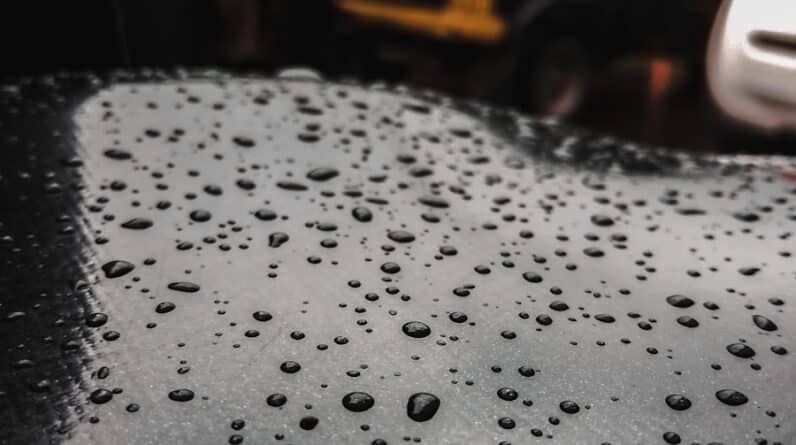
Rust is the enemy of every vehicle owner. It can cause serious damage to your car, leading to costly repairs and potentially decreasing its resale value. In areas where road salt is used during the winter months, rust can be even more of a problem. Rustproofing your vehicle is essential to protect it from this dangerous corrosion.
Understanding the Basics of Rustproofing
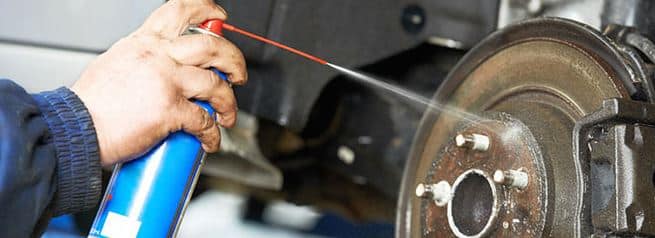
Rustproofing is the process of applying a protective coating to the underside and other vulnerable parts of your vehicle to prevent rust from forming. It involves sealing off any exposed metal surfaces that can come into contact with moisture, dirt, and salt. There are several different methods of rustproofing available, each with its own pros and cons.
Different Methods of Rustproofing
- Undercoating: This involves spraying a thick, rubbery substance on the underside of your vehicle to create a protective barrier against moisture and salt. While undercoating is effective at preventing rust, it can also trap moisture against the metal surface and lead to corrosion from the inside out.
- Electronic rustproofing: This method uses an electronic device to create a protective field around the metal components of your vehicle, preventing rust from forming. While some people swear by electronic rustproofing, others claim that it is not as effective as traditional methods.
- Wax-based rustproofing: Wax-based rustproofing products are applied to the exposed metal surfaces of your vehicle to create a protective barrier against moisture and salt. Wax-based rustproofing is easy to apply and can last for several years, but it may need to be reapplied periodically for maximum protection.
The Importance of Regular Maintenance
No matter which rustproofing method you choose, it is important to maintain it regularly in order to ensure that your vehicle remains protected. This includes regular inspections to check for any signs of rust or damage, as well as timely repairs to address any issues that may arise. By staying on top of your vehicle’s rustproofing maintenance, you can help to prevent costly repairs down the road.
When Should You Rustproof Your Vehicle?
Timing is everything when it comes to rustproofing your vehicle. Ideally, you should rustproof your vehicle when it is brand new, before any signs of rust or corrosion have had a chance to form. However, if you missed the boat on rustproofing when your vehicle was new, don’t worry – it’s never too late to start.
New Vehicles
If you have recently purchased a brand new vehicle, now is the perfect time to rustproof it. By applying a protective coating to your new car early on, you can help to prevent rust from forming and protect your investment for the long haul.
Older Vehicles
Even if your vehicle is not brand new, it is still worth rustproofing in order to protect it from further corrosion. Older vehicles are often more susceptible to rust due to wear and tear over time, so rustproofing can help to extend the life of your car and keep it looking its best.
DIY vs. Professional Rustproofing
When it comes to rustproofing your vehicle, you have two main options: doing it yourself or hiring a professional. Both methods have their pros and cons, so it’s important to weigh your options carefully before making a decision.
DIY Rustproofing
- Pros: DIY rustproofing can save you money, as you won’t have to pay for labor costs. It can also be a satisfying project for those who enjoy working on their own vehicles.
- Cons: DIY rustproofing can be time-consuming and messy, and may not be as effective as professional rustproofing. If done incorrectly, DIY rustproofing can actually cause more harm than good.
Professional Rustproofing
- Pros: Professional rustproofing is quick, convenient, and guaranteed to be done correctly. Most professionals offer warranties on their work, giving you extra peace of mind.
- Cons: Professional rustproofing can be expensive, especially if you opt for high-end services. You may also have to wait for an appointment, depending on the availability of the service provider.

How to Choose a Rustproofing Method
With so many different rustproofing methods available, it can be difficult to determine which one is right for your vehicle. The key is to consider your specific needs and budget, as well as the climate and road conditions in your area.
Factors to Consider
- Budget: How much are you willing to spend on rustproofing? Some methods are more expensive than others, so it’s important to choose one that fits within your budget.
- Climate: If you live in an area with harsh winters and lots of road salt, you may need a more heavy-duty rustproofing method to protect your vehicle.
- Driving Habits: Do you frequently drive on salted roads or through muddy terrain? If so, you may need a more robust rustproofing solution to protect your vehicle from corrosion.
Consult With an Expert
If you’re unsure which rustproofing method is right for your vehicle, consider consulting with an expert. A professional rustproofing technician can assess your needs and recommend the best solution for your specific situation.
DIY Rustproofing Tips
If you’ve decided to take on the challenge of DIY rustproofing, there are a few tips and tricks to keep in mind to ensure that you get the best results possible.
Clean and Prep the Surface
Before applying any rustproofing products, it’s essential to thoroughly clean and prep the surface of your vehicle. Remove any dirt, grease, and rust using a wire brush or sandpaper, and then wipe the area down with a clean cloth to ensure that the rustproofing product will adhere properly.
Use the Right Products
Not all rustproofing products are created equal. Be sure to choose a high-quality product that is specifically designed for automotive use, as this will provide the best protection for your vehicle. Take the time to read the product instructions carefully and follow them to ensure proper application.
Apply in a Well-Ventilated Area
Rustproofing products can be strong-smelling and potentially harmful if inhaled, so it’s important to apply them in a well-ventilated area. If possible, work outside or in a garage with the doors open to allow for proper ventilation.
Reapply as Needed
Rustproofing products can wear off over time, especially if your vehicle is exposed to harsh conditions. Be sure to inspect your vehicle regularly for signs of wear and reapply the rustproofing product as needed to maintain optimal protection.
Professional Rustproofing: What to Expect
If you’ve decided to go the professional route for rustproofing your vehicle, it’s helpful to know what to expect during the process.
Inspection and Assessment
The first step in professional rustproofing is typically an inspection and assessment of your vehicle. A technician will examine your car for any existing rust or corrosion and recommend the best course of action based on their findings.
Application of Rustproofing Products
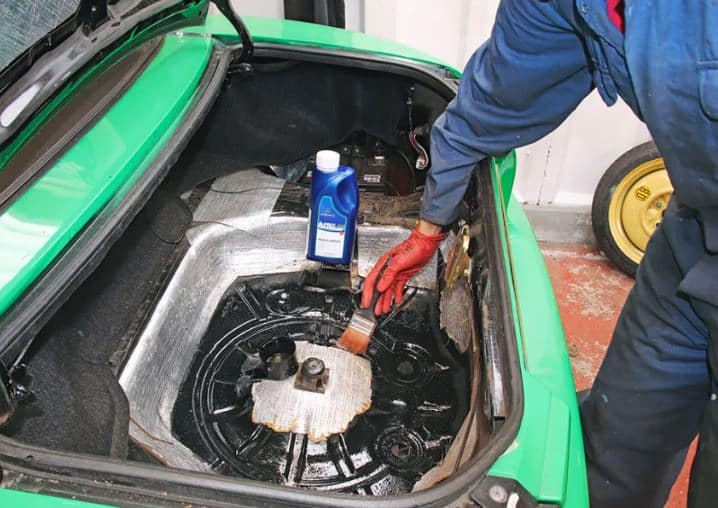
Once the inspection is complete, the technician will apply rustproofing products to the vulnerable areas of your vehicle, such as the undercarriage, wheel wells, and door panels. The products may be sprayed on, brushed on, or applied in another manner, depending on the method being used.
Warranty and Follow-Up
Many professional rustproofing services offer warranties on their work, giving you added protection and peace of mind. Be sure to ask about any warranties or guarantees before having the work done. Some services may also offer follow-up inspections and touch-ups to ensure that your vehicle remains protected over time.
Common Rustproofing Mistakes to Avoid
While rustproofing your vehicle is a great way to protect it from corrosion, there are some common mistakes that can undermine your efforts. By being aware of these mistakes and taking steps to avoid them, you can ensure that your rustproofing efforts are as effective as possible.
Waiting Too Long
One of the biggest mistakes you can make when it comes to rustproofing is waiting too long to do it. Rust can start to form quickly, especially in areas with high humidity or salt exposure, so it’s important to rustproof your vehicle as soon as possible to prevent costly damage.
Using the Wrong Products
Not all rustproofing products are created equal, and using the wrong product can lead to poor results. Be sure to choose a high-quality rustproofing product that is designed for automotive use and follow the manufacturer’s instructions carefully for best results.
Ignoring Regular Maintenance
Rustproofing is not a one-and-done process – it requires regular maintenance to remain effective. Ignoring regular inspections and touch-ups can lead to rust forming and spreading, undoing all of your hard work. Be sure to check your vehicle periodically for signs of rust and reapply rustproofing products as needed.
Rustproofing your vehicle is a crucial step in protecting it from corrosion and extending its lifespan. By understanding the basics of rustproofing, knowing when to rustproof your vehicle, and choosing the right method, you can keep your car looking its best for years to come. Whether you opt for DIY rustproofing or professional services, the key is to stay on top of maintenance and make rust prevention a priority. By following the tips and advice outlined in this article, you can ensure that your vehicle remains rust-free and in top condition for the long haul.