
Smooth Ride, Strong Control: Exploring Suspension Components and Their Role in Your Vehicle
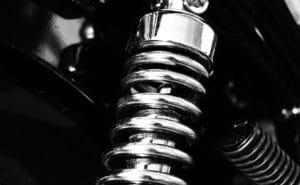
Suspension Components and Function
When it comes to a comfortable and controlled driving experience, your vehicle’s suspension system plays a pivotal role. In this guide, we’ll provide a concise breakdown of the key suspension components and their functions, helping you understand how they work together to ensure a smooth and safe journey.
A Closer Look at Suspension Components and Their Functions
1. Springs:
– Function: Absorb road shocks and bumps, maintaining tire contact with the road.
– Types: Coil springs (common), leaf springs, air springs.
2. Shock Absorbers (Dampers):
– Function: Control the movement of springs, preventing excessive bouncing.
– Importance: Enhance comfort, stabilize the vehicle, improve braking efficiency.
3. Struts:
– Function: Combines spring and shock absorber into a single unit.
– Benefits: Simplified design, saves space, enhances structural integrity.
4. Control Arms:
– Function: Connect suspension components to the vehicle’s frame.
– Role: Facilitate wheel movement while maintaining stability and control.
5. Sway Bars (Stabilizer Bars):
– Function: Minimize body roll during cornering.
– Effect: Improves handling, reduces the risk of rollovers.
6. Bushings:
– Function: Act as cushions between suspension components, reducing friction and vibrations.
– Importance: Promote smoother rides and improved steering response.
7. Ball Joints:
– Function: Allow pivoting movement between control arms and steering knuckles.
– Significance: Facilitate smooth steering and maintain wheel alignment.
8. Steering Knuckles:
– Function: Connect the wheel hub to the suspension components.
– Role: Facilitate wheel movement, transfer forces, and support braking.
9. Tie Rods:
– Function: Transmit force from the steering center link to the steering knuckles.
– Importance: Maintain accurate wheel alignment and responsiveness.
10. Torsion Bars:
– Function: Provide suspension support and spring-like flexibility.
– Role: Absorb and distribute road forces, contributing to stability.
The suspension components mentioned above work in harmony to ensure that your vehicle maintains optimal tire contact with the road, absorbs shocks, and delivers a comfortable and controlled ride. Regular maintenance and timely repairs are essential to ensure that each component operates effectively.
Your vehicle’s suspension system is more than just a set of parts; it’s a symphony of components that work together to provide a balanced, comfortable, and safe driving experience. Understanding these components and their roles empowers you to make informed decisions about maintenance and repairs, enhancing the longevity and performance of your vehicle.
Disclaimer: This guide provides general information and should not replace professional advice. For complex repairs or technical guidance, consult automotive experts.
RELATED SEARCH TERMS ABOUT SUSPENSION COMPONENTS AND FUNCTION:
- Smooth Operator: Deciphering Suspension Components and Their Crucial Roles in Vehicle Comfort and Control
- Suspension Unveiled: An In-Depth Exploration of the Fundamental Components that Shape Your Driving Experience
- Riding on Air: A Comprehensive Guide to Suspension Components and Their Impact on Road Comfort and Safety
- Mastering the Art of Suspension: A Breakdown of Key Components and Their Functions for Enhanced Driving Dynamics
- Pillars of Suspension: A Thorough Examination of Components Driving Your Car’s Stability and Ride Quality
- Suspension Symphony: Harmonizing the Functionality of Components for a Balanced and Controlled Driving Experience
- Beyond the Bounce: Diving into Suspension Components and Their Collective Effort in Ensuring Smooth Rides
- Suspension A to Z: Navigating the Intricacies of Components that Dictate Your Car’s Handling and Comfort
- Safeguarding Smoothness: A Closer Look at Suspension Components and Their Contributions to Road Stability
- Suspension Demystified: The Role and Relevance of Components in Crafting Your Vehicle’s Optimal Driving Performance