Is waterborne paint the future of automotive refinishing? In this article, we will explore the art of waterborne paints and how they are revolutionizing the industry. From environmental benefits to improved performance, waterborne paints are changing the way cars are painted. Let’s dive in and learn more about this exciting innovation in automotive refinishing.
What are Waterborne Paints?
Waterborne paints are a type of coating that uses water as a solvent, instead of traditional chemical solvents like volatile organic compounds (VOCs). This environmentally friendly alternative is gaining popularity in the automotive industry due to its reduced impact on air quality and human health.
Waterborne paints contain tiny pigment particles suspended in water. When applied to a surface, the water evaporates, leaving behind a durable and long-lasting finish. These paints require a different application process than solvent-based paints, but the results are worth it.
Benefits of Waterborne Paints
Using waterborne paints for automotive refinishing offers a variety of benefits, both for the environment and the consumer. Here are some of the key advantages of using waterborne paints:
- Environmental friendliness: Waterborne paints emit significantly fewer VOCs into the atmosphere compared to solvent-based paints. This reduction in harmful chemicals helps to improve air quality and reduce overall environmental impact.
- Healthier work environment: By reducing exposure to toxic fumes, painters and workers in body shops can enjoy a healthier work environment. Waterborne paints contribute to better indoor air quality and lower health risks for those in the industry.
- Improved drying time: Waterborne paints generally have a faster drying time than traditional solvent-based paints. This can lead to increased productivity and faster turnaround times for automotive refinishing projects.
- Color matching: Waterborne paints are known for their excellent color matching capabilities. Automotive painters can achieve more accurate color shades and variations with these paints, resulting in a seamless finish on repaired vehicles.

Application of Waterborne Paints
The application process for waterborne paints differs from that of solvent-based paints. It is essential to follow specific guidelines to ensure proper application and optimal results. Here are the key steps involved in applying waterborne paints:
- Surface Preparation: Just like with any paint job, preparation is crucial. The surface to be painted must be clean, dry, and free of any contaminants. Any existing paint or coatings should be removed, and the surface should be sanded and primed if necessary.
- Mixing Paint: Waterborne paints may require different mixing ratios and viscosity levels compared to solvent-based paints. It is essential to follow the manufacturer’s instructions carefully when mixing the paint to achieve the desired consistency.
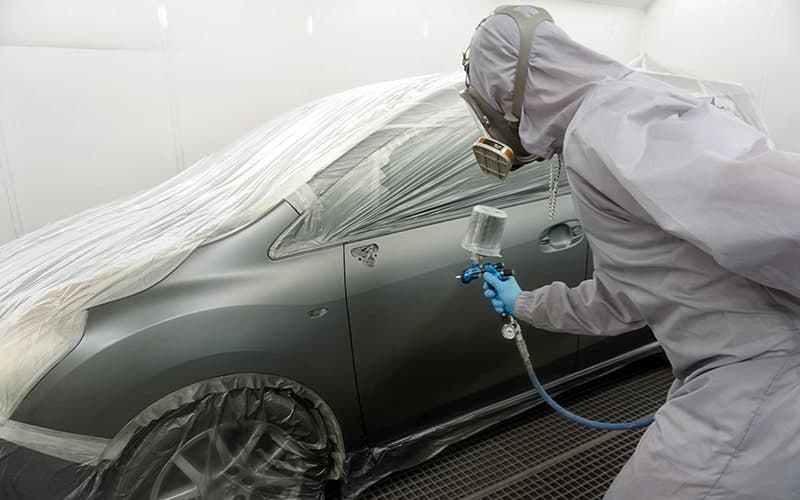
- Application Technique: Waterborne paints can be applied using various methods, including spray guns, brushes, or rollers. The key is to apply thin, even coats to avoid runs or sags in the finish. Proper ventilation is also essential when working with waterborne paints.
- Drying and Curing: Waterborne paints typically have shorter drying times than solvent-based paints. However, it is crucial to allow sufficient time for the paint to cure fully before handling or reassembling the painted components. This ensures a durable and long-lasting finish.
Comparison with Solvent-Based Paints
One of the most significant differences between waterborne paints and solvent-based paints is the application process. Waterborne paints require specific techniques and equipment to achieve optimal results. Here is a comparison of waterborne paints with solvent-based paints:
| Aspect | Waterborne Paints | Solvent-Based Paints |
|---|---|---|
| Environmental Impact | Low VOC emissions | High VOC emissions |
| Health Risks | Reduced health risks | Higher health risks |
| Drying Time | Faster drying time | Longer drying time |
| Application Technique | Specific requirements | Standard application |
| Color Matching | Excellent color match | Limited color options |
Industry Adoption of Waterborne Paints
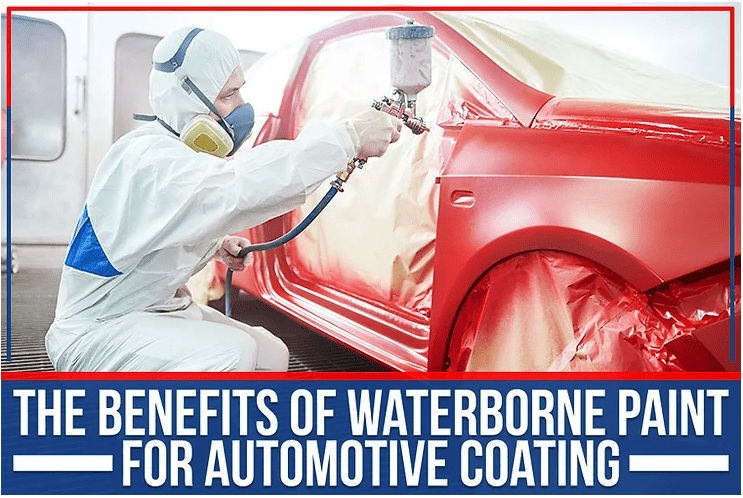
The automotive industry is increasingly adopting waterborne paints for automotive refinishing due to their many benefits. Major automakers and body shops are making the switch to waterborne paints to align with environmental regulations and reduce their carbon footprint.
Regulations and Compliance
Environmental regulations play a significant role in driving the adoption of waterborne paints in the automotive industry. Many regions have strict guidelines regarding VOC emissions, prompting businesses to switch to more environmentally friendly alternatives like waterborne paints. By complying with these regulations, automotive manufacturers and refinishing facilities can avoid fines and penalties while contributing to a cleaner environment.
Consumer Demand
Consumers are becoming more environmentally conscious and are seeking products and services that align with their values. The use of waterborne paints in automotive refinishing appeals to eco-conscious consumers who prioritize sustainability and environmental responsibility. As consumer demand for green products continues to rise, the automotive industry is responding by incorporating waterborne paints into their refinishing processes.
Performance and Durability
In addition to environmental benefits, waterborne paints offer excellent performance and durability compared to solvent-based paints. These paints provide a high-quality finish that is resistant to chipping, fading, and corrosion, resulting in a longer-lasting and more attractive appearance for vehicles. By using waterborne paints, automakers and body shops can ensure customer satisfaction and deliver superior results.

Challenges and Considerations
While waterborne paints offer numerous advantages, there are also challenges and considerations to keep in mind when using these coatings for automotive refinishing. Understanding these factors can help businesses make informed decisions and overcome potential obstacles in the application process.
Equipment and Training
Switching to waterborne paints requires specialized equipment and training to ensure proper application and optimal results. Painters and technicians need to be familiar with the unique characteristics of waterborne paints and follow specific guidelines to avoid issues like color matching discrepancies or uneven finishes. Investing in training and equipment upgrades is essential to successfully transition to waterborne paints.
Climate and Environmental Conditions
Waterborne paints are sensitive to temperature and humidity levels during the application and drying process. Extreme temperatures or high humidity can affect the drying time and adhesion of waterborne paints, leading to potential flaws in the finish. It is crucial to consider environmental conditions when working with waterborne paints and make adjustments as needed to achieve the best results.
Cost and Investment
Although waterborne paints offer long-term savings through reduced material costs and improved efficiency, there is an initial investment required to switch to these coatings. Businesses must consider the cost of equipment upgrades, training programs, and potential workflow adjustments when transitioning to waterborne paints. While the upfront costs may be higher, the long-term benefits of using waterborne paints can outweigh the initial investment.
Future Outlook
As the automotive industry continues to prioritize sustainability and environmental responsibility, waterborne paints are expected to play a more significant role in automotive refinishing. Advances in paint technology and formulation will further enhance the performance and durability of waterborne paints, making them an attractive option for automakers and body shops alike.
Innovation and Development
Paint manufacturers are investing in research and development to create new formulations of waterborne paints that offer improved performance and durability. By utilizing the latest technology and innovative solutions, these companies are pushing the boundaries of what waterborne paints can achieve in terms of color matching, adhesion, and resistance to environmental factors.
Global Adoption
The global adoption of waterborne paints is on the rise, with countries around the world recognizing the benefits of these coatings for automotive refinishing. As more regions implement strict environmental regulations and consumer demand for sustainable products increases, the use of waterborne paints will become more widespread. This shift towards eco-friendly solutions signifies a positive change in the automotive industry towards a greener and more sustainable future.
In conclusion, the art of waterborne paints is revolutionizing automotive refinishing by offering a sustainable, high-performance, and environmentally friendly alternative to traditional solvent-based paints. From reduced VOC emissions to superior color matching capabilities, waterborne paints are changing the way cars are painted and contributing to a cleaner and healthier environment. By embracing this innovative technology, the automotive industry can pave the way for a brighter and more sustainable future.