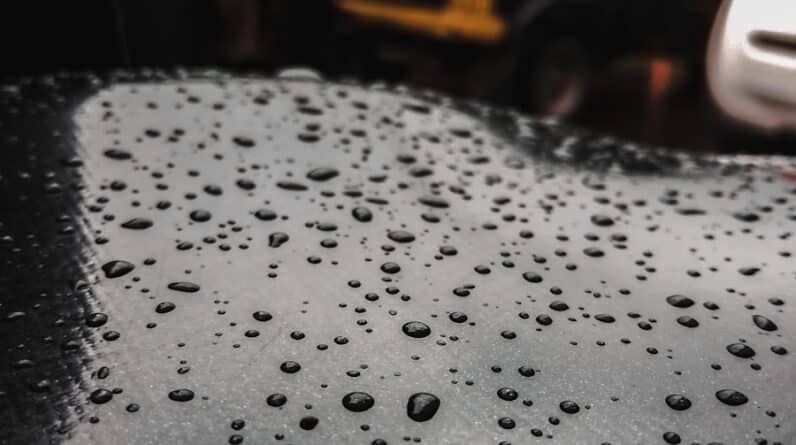
Have you ever wanted to try your hand at home auto body repair? Fixing up your own car can be a rewarding and cost-effective way to maintain your vehicle. With the right tools and a little know-how, you can tackle small dents, scratches, and more right in your own garage. But where do you start? In this article, we’ll walk you through the essential tools you’ll need to equip yourself for success in home auto body repair.
Assessing the Damage: What Tools Do You Need?
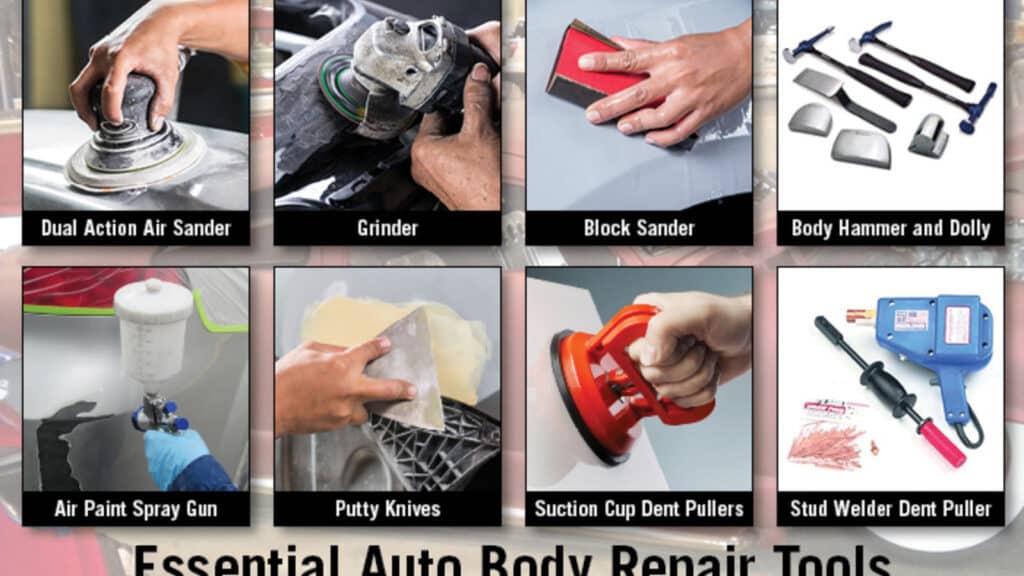
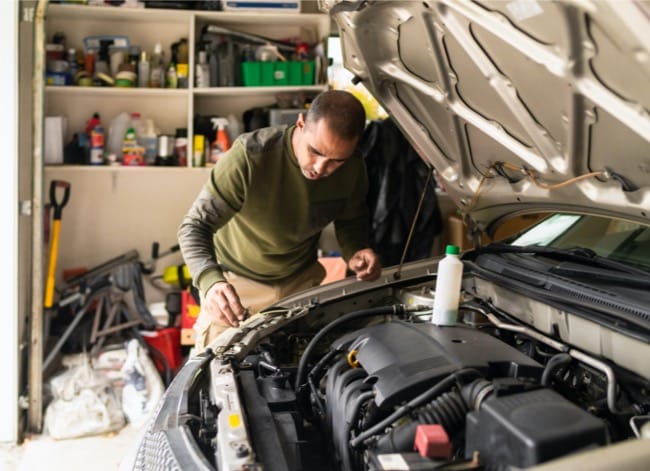
Before you can begin any repairs, you’ll need to assess the damage to your vehicle. Depending on the type of damage, you’ll need different tools to get the job done. Here are some of the essential tools you’ll need to assess and begin repairs on your car:
Dent Puller
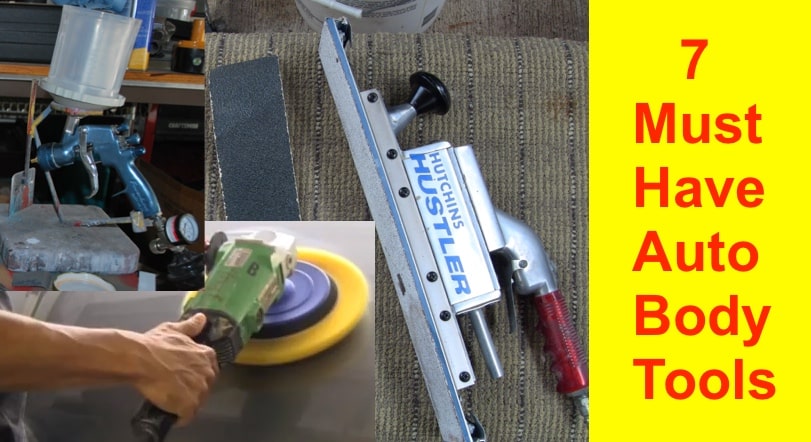
A dent puller is a tool used to remove dents from your car’s body panels. There are different types of dent pullers available, including suction cup dent pullers and slide hammer dent pullers. Depending on the size and location of the dent, you may need more than one type of dent puller to get the job done.
Body Filler
Body filler is a material used to fill in small dents and scratches on your car’s body panels. It can be applied with a spreader and sanded down to create a smooth surface for painting. Make sure to choose a high-quality body filler that is compatible with your paint and primer for the best results.
Sandpaper
Sandpaper is a must-have tool for smoothing out body filler, removing paint, and preparing your car’s surface for painting. Different grits of sandpaper are available for different tasks, so make sure to have a variety of grits on hand for a professional finish.
Paint and Primer
To finish off your repairs, you’ll need paint and primer that matches your car’s original color. Spray paint can be used for small touch-ups, while a paint gun may be necessary for larger repairs. Make sure to follow the manufacturer’s instructions for best results.
Getting Started: Setting Up Your Workspace
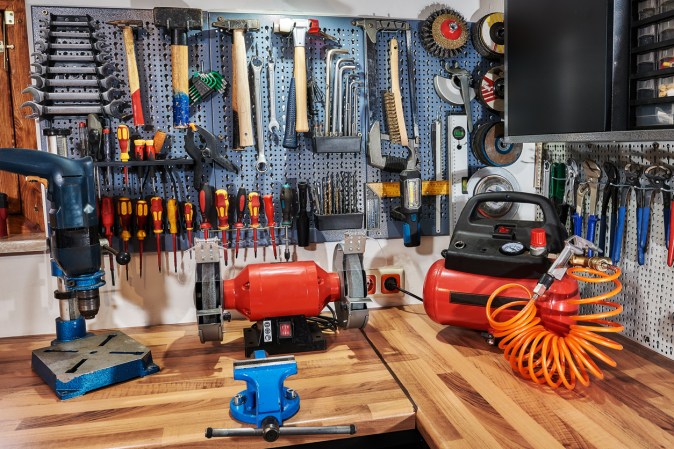
Now that you have the essential tools for assessing the damage to your car, it’s time to set up your workspace for repairs. Here are some tips for creating a safe and efficient work environment:
Clear Your Workspace
Before you begin any repairs, make sure to clear out any clutter from your workspace. Remove any tools, equipment, and other items that could get in the way of your repairs. This will help you work more efficiently and reduce the risk of accidents.
Proper Ventilation
When working with body filler, paint, and primer, it’s important to have proper ventilation in your workspace. Open windows and use fans to help circulate fresh air and prevent the buildup of fumes. Consider wearing a mask to protect yourself from inhaling harmful chemicals.
Proper Lighting
Good lighting is essential for evaluating the damage to your car and ensuring a professional finish on your repairs. Make sure your workspace is well-lit with bright, overhead lights or task lights to help you see detail and color accurately.
Repairing Small Dents and Scratches
Now that you have assessed the damage to your car and set up your workspace, it’s time to start repairing those small dents and scratches. Here’s a step-by-step guide to help you get started:
Step 1: Clean and Prep the Area
Before you begin any repairs, make sure to clean and prep the area you’ll be working on. Use a degreaser to remove any dirt, grease, and grime from the surface of the dent or scratch. This will help your body filler adhere properly and ensure a smooth finish.
Step 2: Apply Body Filler
Using a spreader, apply a thin layer of body filler to the dent or scratch on your car’s body panel. Make sure to spread the filler evenly and smoothly over the damaged area. Allow the filler to dry according to the manufacturer’s instructions before sanding.
Step 3: Sand and Smooth
Once the body filler has dried, use sandpaper to smooth out the surface of the repair. Start with a coarse grit sandpaper to remove excess filler and then switch to a finer grit sandpaper to smooth out the surface. Continue sanding until the repair is level and blends seamlessly with the rest of the panel.
Step 4: Prime and Paint
After sanding, apply a primer to the repaired area to help the paint adhere and create a uniform finish. Once the primer has dried, apply paint that matches your car’s original color. Allow the paint to dry completely before applying a clear coat for added protection.
Fixing Larger Damage: Using a Dent Puller
For larger dents that can’t be fixed with body filler alone, a dent puller may be necessary to remove the damage. Here’s how to use a dent puller to fix larger dents on your car:
Step 1: Attach the Dent Puller
Start by attaching the dent puller to the center of the dent on your car’s body panel. Make sure the puller is securely attached to the panel and follow the manufacturer’s instructions for proper installation.
Step 2: Apply Pressure
Once the dent puller is attached, apply pressure to pull the dent out from the panel. Slowly increase the pressure until the dent is fully removed and the panel is restored to its original shape. Be careful not to apply too much pressure, as this can damage the panel further.
Step 3: Finish with Body Filler
After using the dent puller to remove the dent, you may need to fill in any remaining imperfections with body filler. Follow the same steps for applying, sanding, priming, and painting as you would for smaller repairs to ensure a seamless finish.
Investing in Quality Tools
When it comes to home auto body repair, investing in quality tools is essential for achieving professional results. While it may be tempting to opt for cheaper tools, they often lack durability and precision needed for effective repairs. Here are some tips for choosing quality tools for your home auto body repair kit:
Do Your Research
Before making a purchase, take the time to research different brands and products to find the best tools for your needs. Look for tools that have positive reviews, durable construction, and a proven track record of performance.
Consider Your Budget
While quality tools can be more expensive, they are a worthwhile investment for home auto body repair. Consider your budget and choose tools that offer the best value for your money, rather than opting for the cheapest option available.
Buy from Reputable Suppliers
When purchasing tools for home auto body repair, buy from reputable suppliers and retailers known for their quality products. Avoid buying tools from unknown or unverified sources, as they may be counterfeit or of inferior quality.
Conclusion
Home auto body repair can be a challenging but rewarding way to maintain your vehicle and save money on repairs. By equipping yourself with the essential tools and following proper techniques, you can tackle small dents, scratches, and more right in your own garage. Remember to assess the damage, set up your workspace, and invest in quality tools for professional results. With a little practice and patience, you can become a skilled home auto body repair technician and keep your car looking its best for years to come.