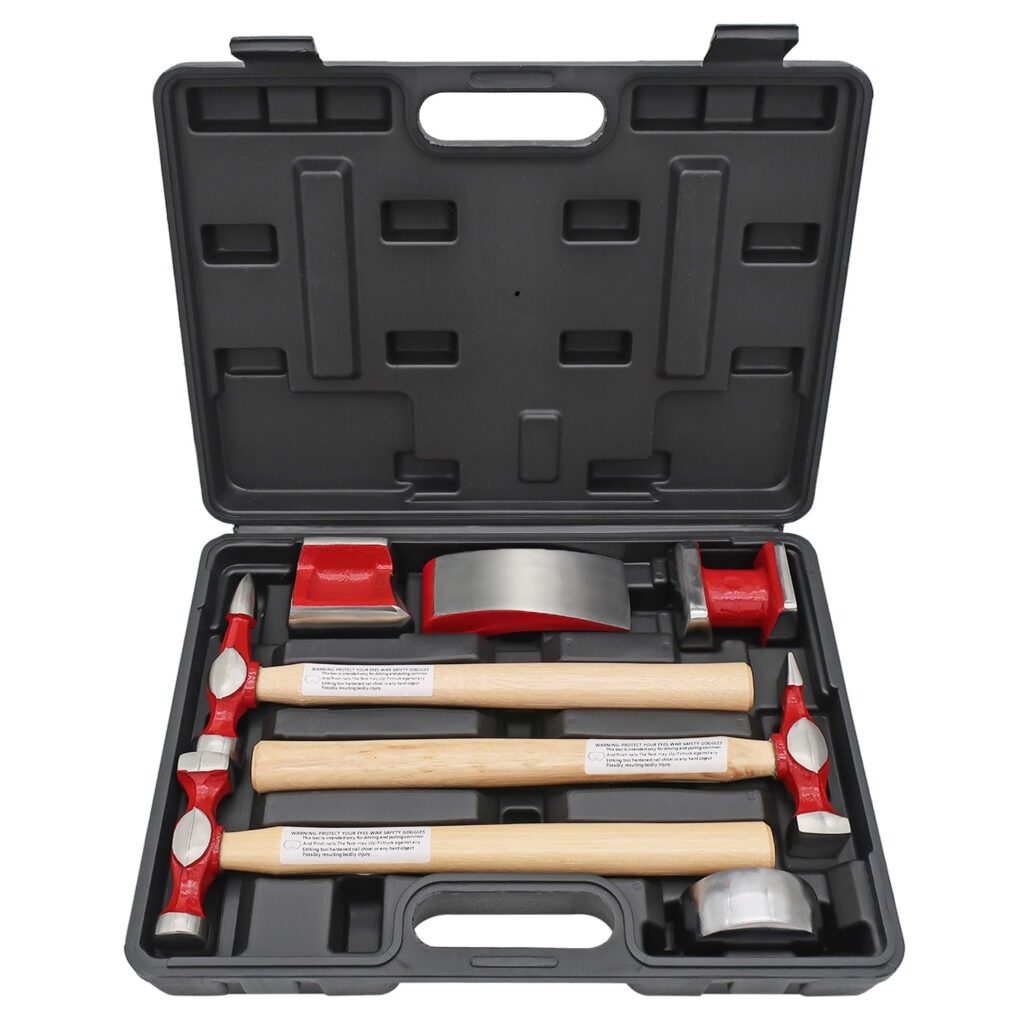
Have you ever wondered how auto body shops have evolved over the years in terms of the equipment they use to repair cars? From basic tools like hammers and dollies to modern high-tech paint booths, the industry has come a long way in improving the efficiency and quality of repairs. Let’s take a closer look at the evolution of auto body repair equipment and how it has shaped the industry today.

Traditional Auto Body Repair Tools: Hammer and Dolly
Back in the early days of auto body repair, mechanics relied heavily on simple hand tools like hammers and dollies to shape and mold metal panels on cars. These tools required a skilled touch and a lot of manual labor to get the desired results. While they were effective, they were time-consuming and often left room for human error.
If you visit a traditional auto body shop today, you may still see these tools in use for certain types of repairs. While they may be considered old-fashioned by some, these tools are still valued for their precision and hands-on approach to auto body repair.
Introduction Of Hydraulic Equipment
With advancements in technology, hydraulic equipment started to make its way into auto body shops. Hydraulic tools like frame straighteners and spreaders revolutionized the industry by allowing mechanics to apply more force with less effort. This not only improved the efficiency of repairs but also increased the accuracy of the work being done.
Hydraulic equipment is still widely used in auto body shops today, especially for more heavy-duty repairs like straightening frames and fixing structural damage. The introduction of hydraulic equipment marked a significant turning point in the evolution of auto body repair tools.
Electronic Measuring Systems
As cars became more complex in their design, the need for precise measurements and alignments became crucial in auto body repair. Electronic measuring systems were introduced to help mechanics accurately assess the damage to a vehicle and ensure that it was restored to its original specifications.
These systems use lasers and sensors to capture detailed measurements of the vehicle’s dimensions and provide real-time feedback to the mechanic. This technology has greatly improved the accuracy and efficiency of auto body repairs, reducing the margin of error and ensuring a more precise result.
Advancements In Paint Technology
One of the most visible aspects of auto body repair is the painting process. Over the years, paint technology has evolved significantly, from basic spray guns to high-tech paint booths that can produce flawless finishes.
Modern paint booths are equipped with advanced filtration systems to minimize dust and debris, ensuring a smooth and professional paint job. They also feature computerized mixing systems that can accurately match the color of the original paint, resulting in seamless repairs that are virtually undetectable.
High-Tech Paint Matching Systems
Matching the color of paint on a car is an art form in itself, and advancements in technology have made this process more precise and efficient. High-tech paint matching systems use computer software to analyze the color of a car and create a custom mix that perfectly matches the original paint.
These systems take into account factors like lighting conditions and metallic content to ensure an exact color match. This level of precision has revolutionized the painting process in auto body shops, allowing mechanics to achieve seamless repairs that blend in seamlessly with the rest of the car.
Introduction Of Paintless Dent Repair
Paintless dent repair is a relatively new technique that has gained popularity in the auto body repair industry. This method involves using specialized tools to gently massage dents out of a car’s body without the need for repainting.
Paintless dent repair is ideal for minor dings and dents that haven’t damaged the paint, making it a quick and cost-effective solution for many types of damage. This technique has become a staple in auto body shops, offering a convenient alternative to traditional dent repair methods.

Integration Of Robotics And Automation
With the rise of automation in various industries, auto body repair shops have also started to integrate robotics and automated systems into their workflow. Robotic arms are used for tasks like sanding, painting, and polishing, improving efficiency and consistency in the repair process.
These robotic systems can perform repetitive tasks with precision and speed, reducing the risk of human error and ensuring a higher quality finish. While robots may never fully replace skilled mechanics, they have become valuable tools in modern auto body shops, streamlining processes and improving overall productivity.
Future Trends In Auto Body Repair Equipment
As technology continues to advance, the future of auto body repair equipment looks promising. From augmented reality systems that assist mechanics in diagnosing and repairing vehicles to 3D printing technology that can recreate intricate parts, the industry is constantly evolving to meet the demands of modern cars.
By staying up-to-date on the latest tools and techniques, auto body shops can continue to provide top-notch service to their customers and deliver high-quality repairs that stand the test of time. The evolution of auto body repair equipment has transformed the industry into a highly specialized and efficient field, ensuring that cars can be restored to their former glory with the utmost precision and care.