Leaving no stone unturned is vital when it comes to making a major purchase, such as a car or a home. A pre-inspection can prevent unforeseen issues that may arise after you’ve made the purchase. But what exactly is pre-inspection, and why is it important in protecting yourself from hidden damages? Let’s dive into the details to understand its significance.
What is a Pre-Inspection?
A pre-inspection, also known as a pre-purchase inspection, is a thorough examination of a property or item conducted before finalizing a purchase agreement. It involves hiring a professional inspector to evaluate the condition of the item or property to identify any potential issues or hidden damages.
When you’re looking to buy a car, a home, or any other significant investment, a pre-inspection can provide you with peace of mind and help you make an informed decision. It is your opportunity to uncover any underlying problems and ensure that you are not investing in a lemon.
Why is Pre-Inspection Important?
A pre-inspection is crucial because it allows you to discover any hidden damages or potential issues that may not be immediately apparent during a superficial inspection. By conducting a pre-inspection, you can avoid costly surprises down the road and negotiate a fair price based on the actual condition of the item or property.
Consider this scenario: you’re looking to buy a used car, and everything seems great from the outside. However, a pre-inspection reveals that the car has been in a major accident and has significant structural damage. Without a pre-inspection, you may have unknowingly purchased a car that is unsafe to drive and requires extensive repairs.

Types of Pre-Inspections
There are various types of pre-inspections depending on the nature of the purchase. Here are some common types of pre-inspections:
Home Inspection
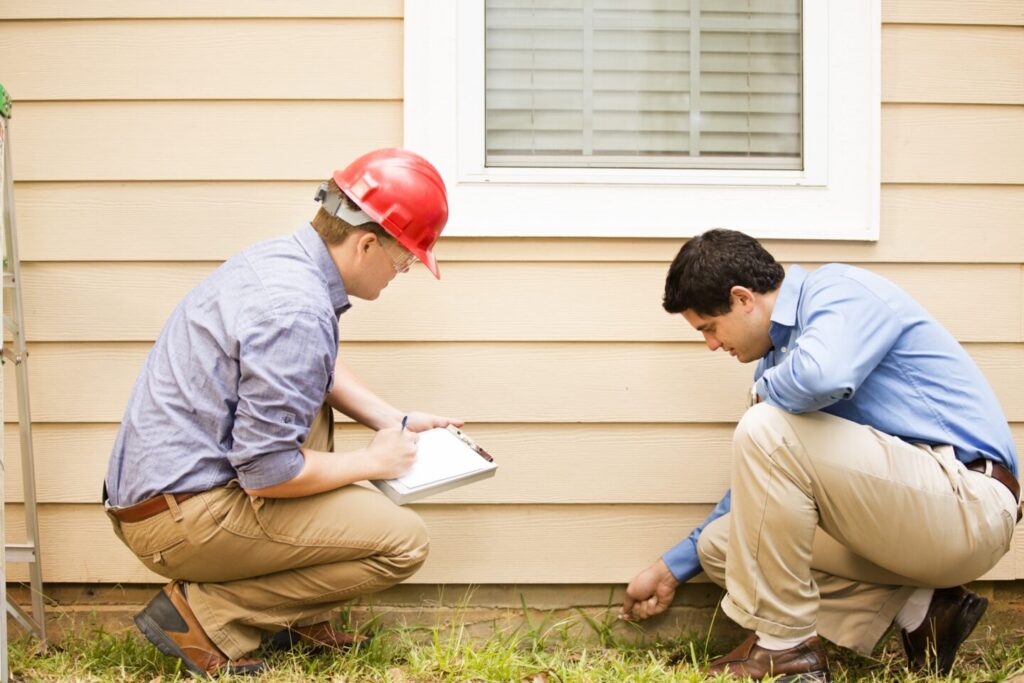
A home inspection is a comprehensive evaluation of a property’s condition, including its structural integrity, electrical systems, plumbing, and more. A qualified home inspector will identify any issues that need to be addressed before finalizing the purchase.
Car Inspection
A car inspection, also known as a vehicle inspection, involves a thorough examination of a car’s mechanical, electrical, and safety systems. A certified mechanic will inspect the vehicle to ensure that it is in good working condition and flag any potential issues.
Building Inspection
A building inspection is typically done when purchasing a commercial property or a large residential building. It involves assessing the building’s structure, systems, and overall condition to identify any defects or safety hazards.
Pest Inspection
A pest inspection, also known as a termite inspection, is essential when buying a property to detect any infestation or damage caused by pests. A licensed pest inspector will evaluate the property for signs of termites, rodents, and other pests.
Hiring a Professional Inspector
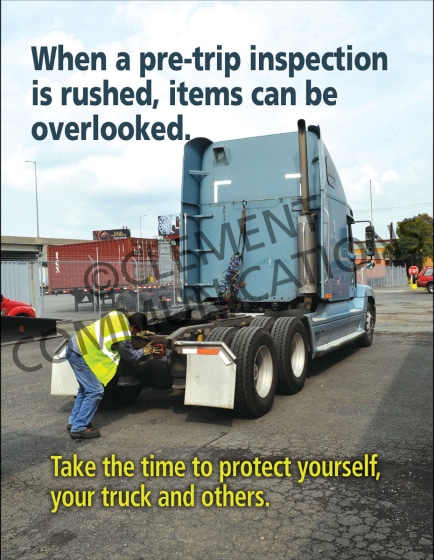
When it comes to pre-inspections, it’s crucial to hire a qualified and experienced inspector to ensure a thorough evaluation of the property or item. Here are a few tips for hiring a professional inspector:
Check Credentials
Before hiring an inspector, make sure to check their credentials and certifications. Look for inspectors who are licensed, insured, and have experience in conducting pre-inspections in the specific area you’re looking to purchase.
Read Reviews
Reading reviews and testimonials from previous clients can give you insight into the inspector’s reputation and the quality of their work. Look for inspectors with positive feedback and a track record of providing thorough and accurate inspections.
Ask for Sample Reports
Request sample inspection reports from the inspector to get an idea of the detail and thoroughness of their work. A good inspector will provide a comprehensive report with clear findings and recommendations for any repairs or maintenance needed.

The Pre-Inspection Process
The pre-inspection process typically involves several steps to ensure a comprehensive evaluation of the property or item. Here’s an overview of what to expect during a pre-inspection:
Initial Assessment
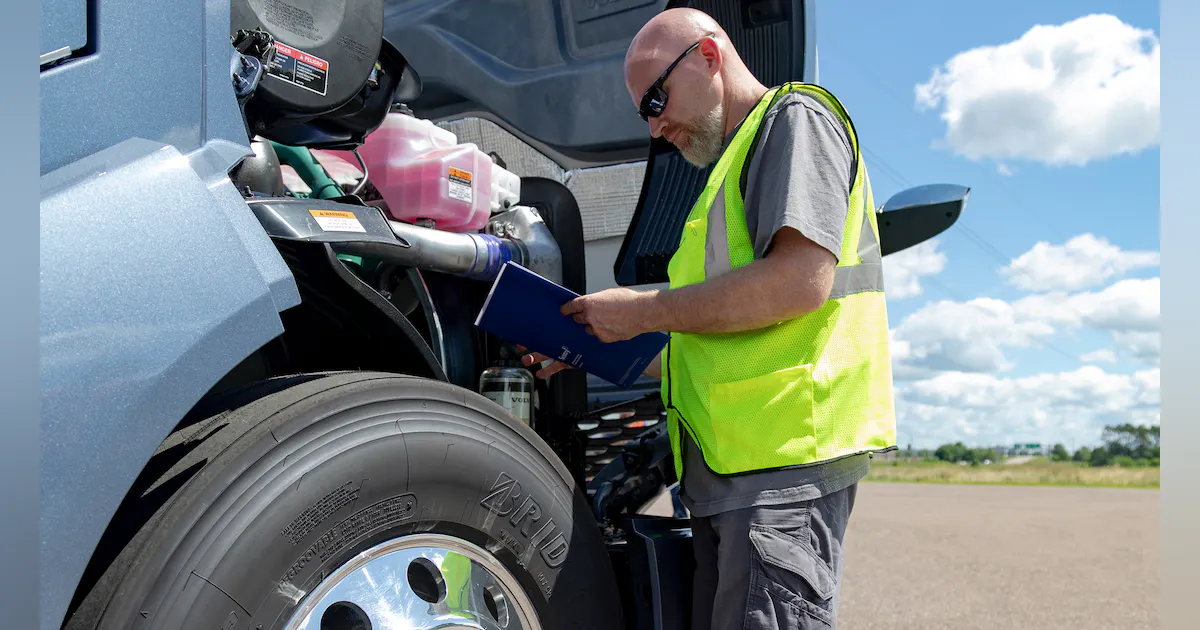
The inspector will start by conducting an initial assessment of the property or item to identify any visible signs of damage or wear. They will inspect the exterior, interior, and structural components to get an overall view of the condition.
Testing and Evaluation
The inspector will then proceed to test and evaluate the systems and components of the property or item. This may include checking the electrical systems, plumbing, HVAC systems, and any other critical components to ensure they are in proper working order.
Report Generation
After completing the inspection, the inspector will generate a detailed report outlining their findings. The report will include a summary of the inspection, any issues or damages identified, and recommendations for repairs or maintenance.
Discussion and Consultation
The inspector will review the findings with you and answer any questions you may have about the inspection report. They will provide guidance on the next steps to take based on the results of the inspection.
Benefits of Pre-Inspection
There are several benefits to conducting a pre-inspection before finalizing a purchase. Here are some of the key advantages:
Peace of Mind
A pre-inspection can provide you with peace of mind knowing that the property or item has been thoroughly evaluated by a professional. It can help you make an informed decision based on the actual condition of the property and avoid any potential surprises.
Cost Savings
Identifying hidden damages or issues during a pre-inspection can potentially save you thousands of dollars in repair costs down the road. By addressing any problems upfront, you can negotiate a fair price for the property or item based on its actual condition.
Negotiation Power
Having a pre-inspection report in hand gives you leverage in negotiations with the seller. If significant issues are identified during the inspection, you can use this information to negotiate a lower purchase price or request that necessary repairs be completed before finalizing the deal.
Prevent Future Problems
By uncovering hidden damages or issues early on, a pre-inspection can help you prevent future problems and ensure the long-term integrity and safety of the property or item. It allows you to address any potential issues proactively and avoid costly repairs or replacements in the future.
Conclusion
In conclusion, a pre-inspection is a vital step in protecting yourself from hidden damages and making an informed purchasing decision. Whether you’re buying a car, a home, or any other significant investment, a pre-inspection can provide you with valuable insight into the condition of the property or item and help you avoid costly surprises. By hiring a professional inspector and following the pre-inspection process, you can ensure a thorough evaluation and make the best decision for your needs and budget. So, remember, when it comes to making a major purchase, don’t skip the pre-inspection – it could save you time, money, and future headaches.