Have you ever been in a car accident and found yourself unsure of what steps to take next? Understanding your insurance coverage when it comes to auto body repair can be a daunting task. This article will guide you through the process and help you make informed decisions when it comes to getting your vehicle back on the road.
Understanding Your Auto Insurance Coverage
When it comes to auto body repair, it’s crucial to understand your insurance coverage. Different types of insurance policies offer varying levels of protection for vehicle repairs. Before you find yourself in a situation where you need to file a claim, take the time to review your policy and familiarize yourself with what is covered.
Understanding the fine print of your insurance policy can save you time and money down the road. Make sure to contact your insurance provider if you have any questions about your coverage. It’s important to know what is covered under your policy to avoid any surprises when it comes time to repair your vehicle.
The Different Types of Auto Insurance Coverage
Auto insurance policies can vary significantly in what they cover. Here are some of the most common types of auto insurance coverage and what they typically include:
- Liability Insurance: This type of insurance covers damages to other drivers and their vehicles if you are found at fault in an accident. It does not cover damages to your vehicle.
- Collision Coverage: Collision coverage helps pay for repairs to your vehicle if you are involved in an accident, regardless of who is at fault.
- Comprehensive Coverage: Comprehensive coverage covers damages to your vehicle that are not the result of a collision, such as theft, vandalism, or natural disasters.
- Uninsured/Underinsured Motorist Coverage: This coverage protects you if you are involved in an accident with a driver who does not have insurance or does not have enough insurance to cover your damages.
Understanding the different types of auto insurance coverage can help you determine what repairs may be covered under your policy. It’s essential to review your coverage regularly and make any necessary adjustments based on your driving habits and needs.
Filing an Auto Insurance Claim for Auto Body Repair
If you find yourself in a situation where you need to file an auto insurance claim for auto body repair, here are some steps to help you through the process:
- Assess the Damage: Before contacting your insurance provider, assess the damage to your vehicle. Take photos of the damage from multiple angles to provide documentation for your claim.
- Contact Your Insurance Provider: Once you have assessed the damage, contact your insurance provider to begin the claims process. Provide them with all necessary information, including the police report if applicable.
- Get an Estimate: Your insurance provider may require you to get an estimate for the repairs. Make sure to choose a reputable auto body shop to provide an accurate quote for the repairs.
- Review Your Coverage: Before authorizing any repairs, review your insurance policy to ensure the repairs are covered under your plan.
- Authorize Repairs: Once your claim is approved, authorize the auto body shop to begin repairs on your vehicle. Make sure to keep all receipts and documentation related to the repairs.
Filing an auto insurance claim for auto body repair can be a stressful process, but understanding the steps involved can help make the process smoother and more manageable.
Choosing an Auto Body Shop
When it comes to auto body repairs, choosing the right auto body shop is crucial. Here are some factors to consider when selecting an auto body shop for your repairs:
- Experience: Look for an auto body shop with years of experience in handling repairs for your make and model of vehicle.
- Certifications: Choose a shop that is certified by reputable organizations, such as the Inter-Industry Conference on Auto Collision Repair (I-CAR).
- Reviews: Check online reviews and ask for recommendations from friends and family to find a reputable auto body shop.
- Estimates: Get quotes from multiple auto body shops to compare prices and services offered.
Choosing the right auto body shop can ensure that your vehicle is repaired correctly and safely. Make sure to do your research and ask questions before making a decision.

Understanding the Repair Process
Once you have chosen an auto body shop for your repairs, it’s essential to understand the repair process. Here are some common steps involved in auto body repair:
- Damage Assessment: The auto body shop will assess the damage to your vehicle and provide you with an estimate for the repairs.
- Disassembly: In some cases, the auto body shop may need to disassemble parts of your vehicle to access hidden damage.
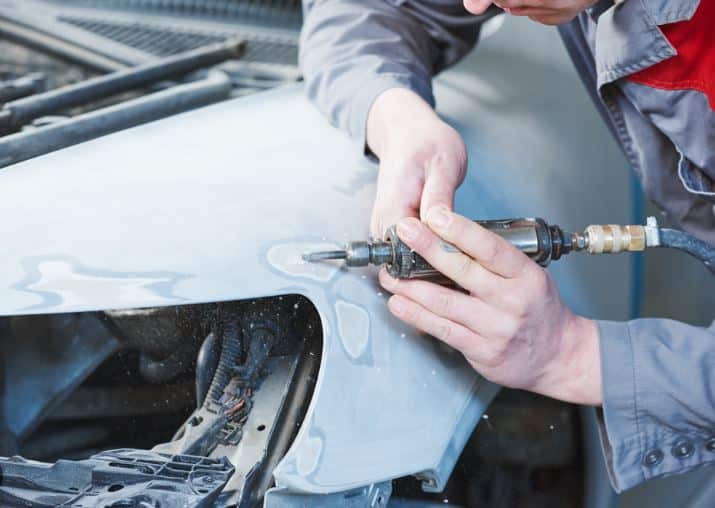
- Repair: Once the damage has been assessed, the auto body shop will begin repairs on your vehicle, including straightening frames, repairing body panels, and replacing damaged parts.
- Painting: After the repairs are completed, the vehicle will be painted to match the original color and finish.
- Reassembly: Finally, the auto body shop will reassemble your vehicle, ensuring that all parts are properly aligned and installed.
Understanding the repair process can help you know what to expect when your vehicle is in the shop. Make sure to ask questions and stay informed throughout the repair process.
Negotiating with Your Insurance Provider
When it comes to auto body repairs, negotiating with your insurance provider can help ensure that you receive fair compensation for the damages to your vehicle. Here are some tips for negotiating with your insurance provider:
- Document Everything: Keep detailed records of all communication with your insurance provider, including emails, phone calls, and letters.
- Get Multiple Estimates: If you feel that the estimate provided by your insurance company is too low, get additional quotes from reputable auto body shops to support your claim.
- Know Your Rights: Familiarize yourself with your insurance policy and understand your rights as a policyholder.
- Seek Legal Advice: If you are having trouble negotiating with your insurance provider, consider seeking legal advice to help you navigate the claims process.
Negotiating with your insurance provider can be a challenging process, but being prepared and informed can help you get the compensation you deserve for your auto body repairs.
Ensuring Quality Repairs
After your vehicle has been repaired, it’s essential to ensure that the repairs meet the highest quality standards. Here are some steps you can take to ensure that your vehicle has been properly repaired:
- Inspect the Repairs: Take the time to inspect your vehicle after it has been repaired to ensure that all damage has been adequately addressed.
- Test Drive: Test drive your vehicle to ensure that it is running smoothly and that there are no unusual noises or vibrations.
- Ask for Documentation: Request documentation from the auto body shop detailing the repairs that were completed on your vehicle.
If you have any concerns about the quality of the repairs, don’t hesitate to contact the auto body shop and your insurance provider to address any issues promptly.
Reviewing Your Insurance Coverage Regularly
As your driving habits and needs change, it’s essential to review your insurance coverage regularly to ensure that you are adequately protected in the event of an accident. Here are some tips for reviewing your insurance coverage:
- Annual Review: Take the time once a year to review your insurance policy and make any necessary adjustments.
- Life Changes: If you experience significant life changes, such as getting married or purchasing a new vehicle, review your insurance coverage to ensure that it meets your current needs.
- Coverage Options: Consider adding additional coverage options, such as rental car reimbursement or roadside assistance, to provide extra protection in case of an accident.
Taking the time to review your insurance coverage regularly can help you avoid any surprises when it comes time to file a claim for auto body repairs.

Understanding your insurance coverage when it comes to auto body repairs is essential for ensuring that your vehicle is properly protected in the event of an accident. By familiarizing yourself with the different types of auto insurance coverage, filing an insurance claim, choosing an auto body shop, and negotiating with your insurance provider, you can make informed decisions when it comes to getting your vehicle back on the road. Remember to review your insurance coverage regularly and take steps to ensure that the repairs meet the highest quality standards. By following these tips, you can navigate the auto body repair process with confidence and peace of mind.