The Science Of Paint Curing: Understanding The Process For A Durable Finish
Have you ever wondered about the science behind the process of paint curing? Understanding how paint cures can help you achieve a more durable and long-lasting finish on your projects. In this article, we will explore the fascinating world of paint curing and how it contributes to the longevity and quality of your paint job.
What is Paint Curing?
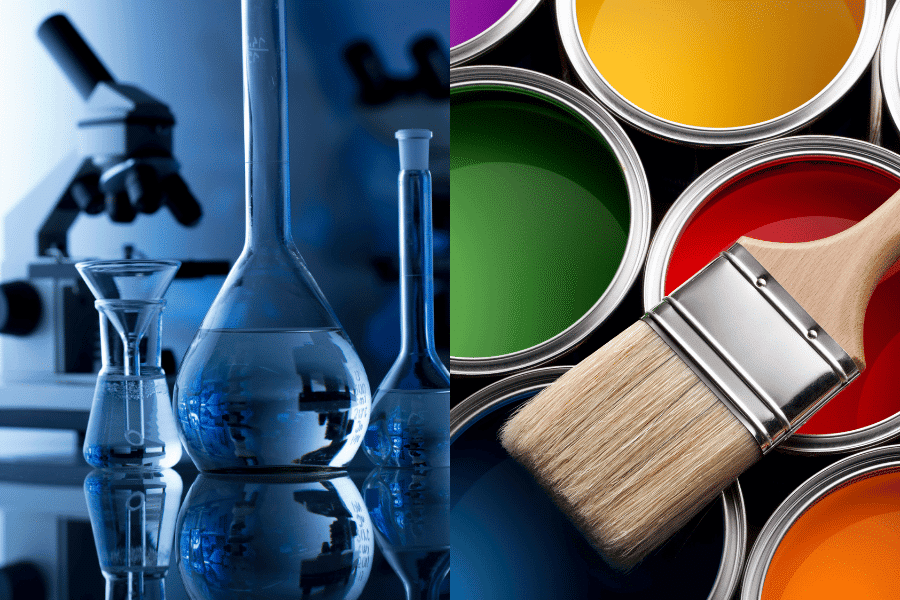
Paint curing is the process by which paint dries, hardens, and ultimately reaches its maximum durability. When paint is applied to a surface, it initially contains solvents that allow it to spread evenly and adhere to the substrate. As the paint dries, these solvents begin to evaporate, leaving behind a solid film of pigments and binders. This film continues to cure over time, reaching its full strength and durability.
Understanding the paint curing process is essential for achieving a professional-looking finish that will stand the test of time. By allowing paint to cure properly, you can ensure that it will not only look great but also resist wear and tear over the years.
The Science Behind Paint Curing
The science of paint curing is a complex but fascinating process that involves several chemical reactions. As the solvents in the paint evaporate, the binders and pigments begin to cross-link and form a solid film. This film hardens as the cross-linking continues, creating a durable barrier that protects the underlying surface.
By understanding the chemical reactions that occur during paint curing, you can make informed decisions about the types of paint you use and how you apply them. Different paints contain varying levels of binders, pigments, and solvents, all of which can affect the curing process and the final durability of the finish.

Factors Affecting Paint Curing
Several factors can influence the speed and effectiveness of the paint curing process. These include temperature, humidity, airflow, and the type of paint being used. By controlling these variables, you can ensure that your paint cures properly and achieves the desired level of durability.
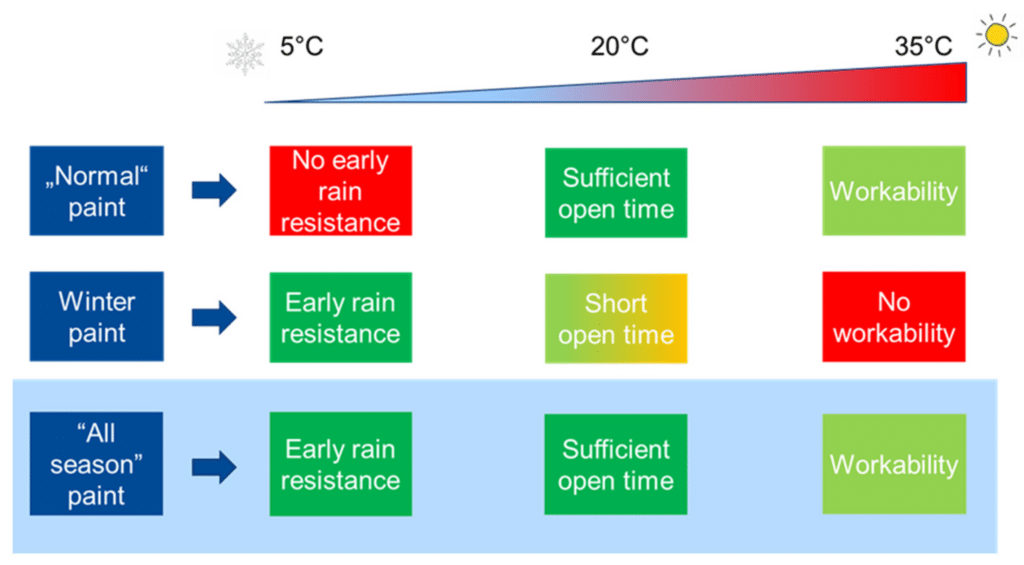
Temperature plays a significant role in the paint curing process, as higher temperatures can speed up the evaporation of solvents and accelerate the cross-linking of binders. However, excessively high temperatures can also cause the paint to dry too quickly, leading to a range of issues such as cracking and peeling.
Humidity can also impact paint curing, as high humidity levels can slow down the evaporation of solvents and prolong the drying time. On the other hand, low humidity can cause the paint to dry too quickly, leading to a rough or uneven finish. Finding the right balance of humidity is essential for achieving optimal paint curing.
Airflow is another factor that can affect paint curing, as adequate ventilation can help speed up the evaporation of solvents and promote proper cross-linking. However, too much airflow can cause the paint to dry too quickly, leading to a range of issues such as poor adhesion and bubbling.
The type of paint being used also plays a crucial role in the curing process, as different paints contain varying levels of binders, pigments, and solvents. Water-based paints, for example, cure through evaporation of water, while oil-based paints cure through oxidation. Understanding the unique properties of each type of paint is essential for achieving the best results.
Tips for Proper Paint Curing
Achieving a durable finish through proper paint curing requires attention to detail and adherence to best practices. Here are some tips to help you ensure that your paint cures properly and stands the test of time:
-
Prepare the Surface: Before applying paint, make sure the surface is clean, dry, and free of any contaminants that could interfere with the curing process. Proper surface preparation is essential for achieving a smooth and durable finish.
-
Choose the Right Paint: Selecting the right type of paint for your project is crucial for proper curing. Consider factors such as the substrate, intended use, and environmental conditions to determine the best paint for the job.
-
Follow Manufacturer Guidelines: Always follow the manufacturer’s instructions for mixing, application, and curing times. Failure to adhere to these guidelines can result in a subpar finish that may not be as durable or long-lasting.
-
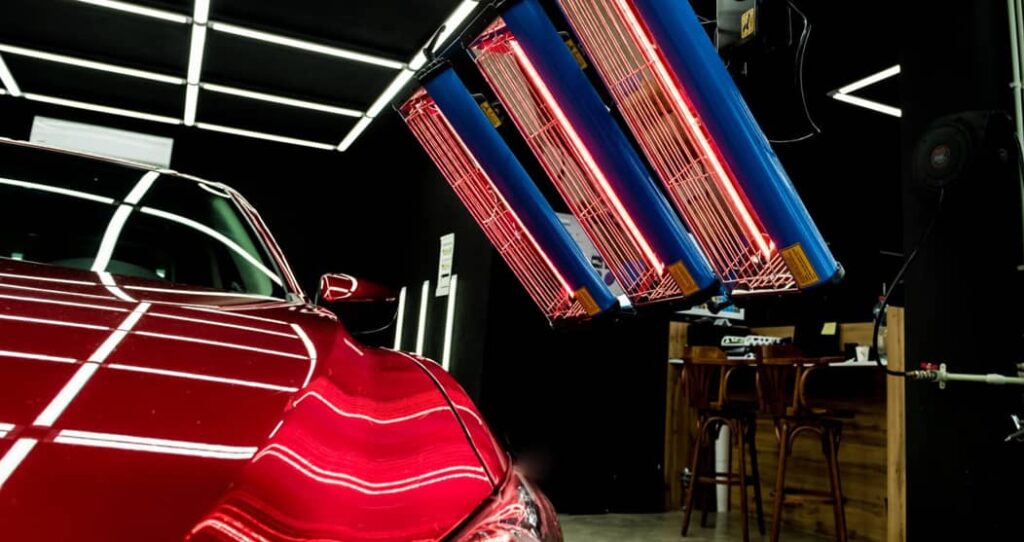
Control Temperature and Humidity: Maintain the appropriate temperature and humidity levels during the curing process to ensure optimal results. Use heaters, dehumidifiers, or fans as needed to create the ideal environment for paint curing.
-
Allow Sufficient Cure Time: Patience is key when it comes to paint curing. Allow the paint to cure for the recommended amount of time before subjecting it to wear and tear. Rushing the curing process can result in a finish that is prone to damage.
By following these tips and understanding the science behind paint curing, you can achieve a high-quality finish that will last for years to come. Proper paint curing is essential for ensuring the durability and longevity of your projects, so take the time to do it right.
Conclusion
In conclusion, the science of paint curing is a fascinating process that plays a crucial role in achieving a durable and long-lasting finish. By understanding how paint cures and the factors that can influence the process, you can ensure that your projects look great and stand up to the test of time.
Remember to pay attention to details such as temperature, humidity, airflow, and the type of paint being used when trying to achieve optimal paint curing results. By following best practices and allowing sufficient cure time, you can enjoy a professional finish that will remain beautiful and durable for years to come.
Now that you understand the science of paint curing, put your knowledge to use and take your painting projects to the next level. With the right techniques and an understanding of the curing process, you can achieve a finish that is not only visually appealing but also incredibly durable. Happy painting!