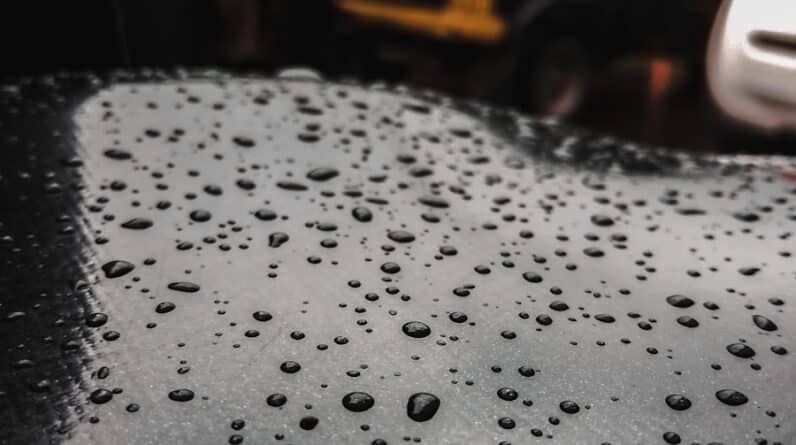
When it comes to keeping your car in top condition, proper maintenance and repair are essential. One often overlooked aspect of auto body repair is the use of mastics and sealants. These products play a crucial role in protecting your car’s exterior from the elements, preventing corrosion, leaks, and other damage. In this article, we will explore the importance of mastics and sealants in auto body repair and how they can help keep your car looking great for years to come.

What Are Mastics and Sealants?
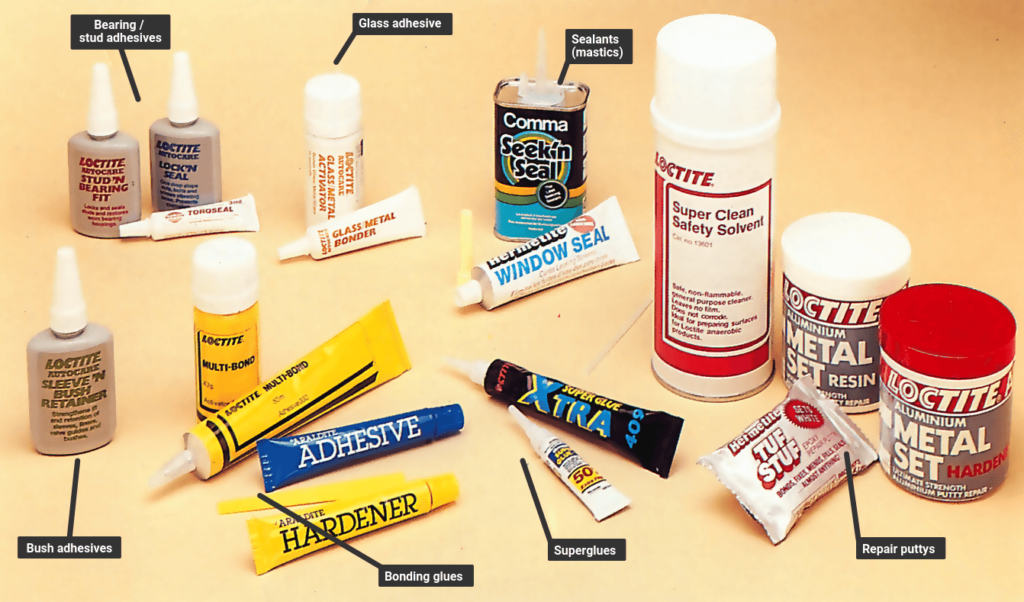
Before we dive into the specifics of how mastics and sealants are used in auto body repair, let’s first define what they are. Mastics are thick, adhesive materials that are used to fill gaps, cracks, and imperfections in a car’s bodywork. Sealants, on the other hand, are polymers that are used to create a waterproof barrier between different surfaces. Both mastics and sealants are essential in maintaining the structural integrity of a vehicle and protecting it from moisture, debris, and other environmental factors.
The Role of Mastics and Sealants in Auto Body Repair
Mastics and sealants serve several important functions in auto body repair. One of their primary roles is to prevent water from seeping into the underlying layers of a car’s bodywork. Water can cause rust, corrosion, and other forms of damage, so it is crucial to seal any openings or cracks to keep moisture out.
Additionally, mastics and sealants are used to fill in gaps and imperfections in a car’s bodywork. This helps create a smooth surface for painting and finishing, ensuring that the final result looks flawless. Without mastics and sealants, imperfections in the bodywork could be visible even after painting, affecting the overall appearance of the car.
Types of Mastics and Sealants
There are several different types of mastics and sealants used in auto body repair, each with its own unique properties and applications. Common types of mastics include butyl mastics, epoxy mastics, and polyester mastics. Each type has its advantages and disadvantages, so it is essential to choose the right one for the specific repair job at hand.
Sealants are also available in various forms, including silicone sealants, polyurethane sealants, and acrylic sealants. Silicone sealants are known for their flexibility and resistance to extreme temperatures, making them ideal for use in areas that experience a lot of movement. Polyurethane sealants are durable and versatile, while acrylic sealants are easy to apply and paint over.
How Mastics and Sealants are Applied
The process of applying mastics and sealants in auto body repair is relatively straightforward but requires precision and attention to detail. Before applying mastics, the surface must be clean, dry, and free of debris. The mastic is then applied using a spreader or similar tool, filling in any gaps or imperfections in the bodywork.
Sealants are typically applied using a caulking gun, which allows for precise control over the amount of sealant that is dispensed. The sealant is carefully applied along seams, joints, and other areas where water could potentially penetrate the bodywork. Once the mastics and sealants have been applied, they are left to cure and harden, creating a durable, protective barrier.
Benefits of Using Mastics and Sealants
The use of mastics and sealants in auto body repair offers several key benefits. One of the most significant advantages is the protection they provide against moisture and environmental damage. By sealing gaps and imperfections in the bodywork, mastics and sealants help prevent rust, corrosion, and other forms of deterioration.
Additionally, mastics and sealants can improve the overall appearance of a car after repairs have been completed. By filling in gaps and creating a smooth surface for painting, mastics and sealants help ensure a flawless finish. This not only enhances the aesthetic appeal of the car but also helps maintain its resale value.
Common Applications of Mastics and Sealants
Mastics and sealants are used in a wide range of auto body repair applications. Some common uses include filling in dents, scratches, and other minor imperfections in the bodywork. Mastics are also used to repair rust damage, particularly in areas where metal has started to corrode.
Sealants are often applied around windows, doors, and other areas where water could potentially leak into the interior of the car. This helps prevent water damage, mold growth, and other issues that can arise from water infiltration. In some cases, sealants are also used to bond different materials together, providing structural support and stability.
Tips for Using Mastics and Sealants
If you are planning to use mastics and sealants in an auto body repair project, there are several tips you should keep in mind to ensure the best results. First and foremost, it is essential to choose the right type of mastic or sealant for the job at hand. Different products have different properties, so be sure to select one that is well-suited to the specific repair task.
Second, always follow the manufacturer’s instructions when applying mastics and sealants. Proper application is crucial for achieving a strong, durable bond and ensuring that the repair job lasts. Take the time to prep the surface properly, apply the product evenly, and allow it to cure completely before moving on to the next step.
Mastics and sealants play a crucial role in auto body repair by protecting your car from the elements and maintaining its structural integrity. By filling in gaps, sealing seams, and providing a waterproof barrier, mastics and sealants help prevent rust, corrosion, and other forms of damage. Whether you are repairing a minor scratch or addressing more significant bodywork issues, mastics and sealants are essential tools for keeping your car looking great for years to come.