As you delve into the world of auto body repair, you may find yourself intrigued by the advancements that have emerged in recent years. One of the most revolutionary developments is nanotechnology, a field that manipulates matter at the atomic and molecular levels. This technology has begun to reshape various industries, and the automotive sector is no exception.
By integrating nanotechnology into auto body repair processes, you can expect enhanced performance, improved durability, and even aesthetic upgrades that were previously unimaginable. Nanotechnology in auto body repair involves the use of nanoparticles—tiny particles that measure between 1 and 100 nanometers—to create materials with superior properties. These materials can significantly improve the repair process, making it faster and more efficient while also enhancing the longevity of the vehicle’s exterior.
As you explore this topic further, you will discover how these microscopic innovations are paving the way for a new era in automotive repair, one that promises to deliver not only functional benefits but also aesthetic enhancements that appeal to car enthusiasts and everyday drivers alike.
- Nanotechnology has revolutionized the auto body repair industry by introducing advanced materials and techniques for enhanced durability and aesthetics.
- Nanoparticles play a crucial role in improving the durability of auto body repairs by filling in microscopic imperfections and creating a stronger bond with the surface.
- Nanotechnology has a significant impact on the aesthetics of auto body repairs, allowing for seamless blending and matching of paint colors, resulting in a flawless finish.
- The advantages of using nanotechnology in auto body repair include increased durability, improved aesthetics, and the ability to repel water, dirt, and other contaminants.
- Despite its numerous advantages, nanotechnology in auto body repair also presents challenges and limitations, such as high costs and the need for specialized equipment and expertise.
The Role of Nanoparticles in Enhancing Durability
When it comes to durability, nanoparticles play a crucial role in fortifying materials used in auto body repair. By incorporating nanoparticles into paints, coatings, and composite materials, you can achieve a level of strength and resilience that traditional materials simply cannot match. For instance, nanostructured coatings can provide a protective barrier against environmental factors such as UV radiation, moisture, and chemicals.
This means that your vehicle’s exterior will be better equipped to withstand the rigors of daily use, ultimately extending its lifespan. Moreover, nanoparticles can enhance the adhesion properties of coatings and paints. This improved adhesion not only ensures that the finish remains intact for longer periods but also reduces the likelihood of chipping or peeling.
As you consider the implications of these advancements, it becomes clear that the integration of nanoparticles into auto body repair processes is not merely a trend; it represents a fundamental shift in how we approach vehicle maintenance and restoration. The result is a more durable vehicle that retains its aesthetic appeal over time.
Nanotechnology’s Impact on Aesthetics in Auto Body Repair

In addition to enhancing durability, nanotechnology has made significant strides in improving the aesthetics of auto body repairs. You may have noticed that modern vehicles often feature vibrant colors and finishes that catch the eye. This is largely due to advancements in nanotechnology, which allow for the creation of paints and coatings with superior color retention and gloss levels.
By utilizing nanoparticles, manufacturers can produce finishes that are not only visually striking but also resistant to fading and discoloration. Furthermore, nanotechnology enables the development of self-cleaning surfaces. Imagine a vehicle that repels dirt and grime, requiring less frequent washing and maintenance.
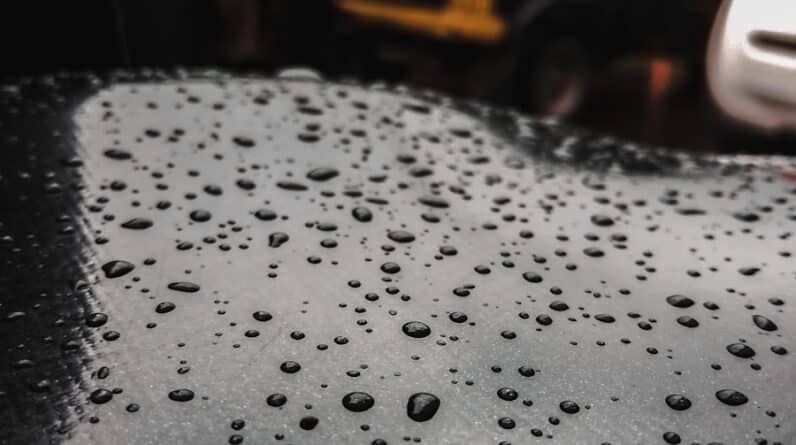
This is made possible through hydrophobic coatings that utilize nanoparticles to create surfaces that water beads off of rather than adhering to them. As you consider the implications of these aesthetic enhancements, it becomes evident that nanotechnology is not just about functionality; it also plays a vital role in elevating the overall appearance of vehicles, making them more appealing to consumers.
Advantages of Using Nanotechnology in Auto Body Repair
The advantages of incorporating nanotechnology into auto body repair are manifold. One of the most significant benefits is the potential for cost savings over time. While the initial investment in nanotechnology may be higher than traditional methods, the long-term savings associated with reduced maintenance and repair costs can be substantial.
With enhanced durability and resistance to wear and tear, you can expect fewer trips to the repair shop and a longer lifespan for your vehicle’s exterior. Additionally, nanotechnology contributes to environmental sustainability. Many traditional auto body repair processes involve harmful chemicals and materials that can have detrimental effects on the environment.
In contrast, nanotechnology often utilizes eco-friendly materials and processes that minimize waste and reduce harmful emissions. As you become more aware of your environmental footprint, embracing nanotechnology in auto body repair can be a step toward more sustainable practices within the automotive industry.
Challenges and Limitations of Nanotechnology in Auto Body Repair
Despite its numerous advantages, the integration of nanotechnology into auto body repair is not without challenges. One significant hurdle is the cost associated with research and development. Developing new nanomaterials and processes requires substantial investment, which can deter some companies from fully embracing this technology.
As you consider this aspect, it’s essential to recognize that while the potential benefits are vast, overcoming financial barriers remains a critical factor in widespread adoption. Another limitation lies in regulatory concerns surrounding nanomaterials. As with any emerging technology, there are questions regarding safety and environmental impact.
Regulatory bodies are still working to establish guidelines for the use of nanoparticles in various applications, including auto body repair. This uncertainty can create hesitance among manufacturers and consumers alike. As you navigate this landscape, it’s important to stay informed about ongoing research and regulatory developments to better understand how these challenges may be addressed in the future.
The Future of Nanotechnology in Auto Body Repair

Looking ahead, the future of nanotechnology in auto body repair appears promising. As research continues to advance, you can expect to see even more innovative applications emerge within this field. For instance, advancements in smart coatings may lead to self-healing materials that can automatically repair minor scratches or dents when exposed to certain stimuli.
This could revolutionize how we think about vehicle maintenance and repair, allowing for a level of convenience previously thought impossible. Moreover, as consumer demand for sustainable practices grows, manufacturers are likely to invest more heavily in eco-friendly nanomaterials. This shift could lead to a broader acceptance of nanotechnology within the automotive industry as companies strive to meet both performance and environmental standards.
As you consider these possibilities, it’s clear that nanotechnology has the potential to transform not only auto body repair but also the entire automotive landscape.
Case Studies: Successful Applications of Nanotechnology in Auto Body Repair
To illustrate the real-world impact of nanotechnology in auto body repair, consider several case studies that highlight successful applications. One notable example involves a leading automotive manufacturer that integrated nanostructured coatings into their production process. By doing so, they achieved significant improvements in scratch resistance and color retention for their vehicles’ finishes.
This innovation not only enhanced customer satisfaction but also reduced warranty claims related to paint defects. Another case study involves a small auto body shop that adopted nanotechnology-based repair solutions for their services. By utilizing self-healing coatings and advanced nanoparticle-infused paints, they were able to offer customers a unique value proposition: repairs that not only restored their vehicles’ appearance but also provided long-lasting protection against future damage.
This strategic move allowed the shop to differentiate itself from competitors while attracting environmentally conscious consumers who appreciated their commitment to sustainability.
The Potential of Nanotechnology in Transforming Auto Body Repair
In conclusion, as you explore the realm of auto body repair, it becomes increasingly clear that nanotechnology holds immense potential for transforming this industry. From enhancing durability and aesthetics to offering cost savings and environmental benefits, the advantages are compelling. While challenges remain—such as regulatory hurdles and financial barriers—the ongoing research and development efforts promise a bright future for this innovative technology.
As you consider your own experiences with auto body repair or your interest in automotive advancements, keep an eye on how nanotechnology continues to evolve. The integration of nanoparticles into materials and processes is not just a fleeting trend; it represents a fundamental shift toward smarter, more efficient solutions for vehicle maintenance and restoration. Embracing this technology could lead to a new era where vehicles are not only more durable but also more visually appealing and environmentally friendly—truly a win-win for both consumers and the planet.
In a related article on Informed Decision Making: A Deep Dive into Understanding and Evaluating Repair Costs, readers can gain valuable insights into the financial aspect of auto body repair. Understanding the costs involved in repairing a vehicle can help consumers make informed decisions when it comes to choosing the right repair shop and services. By being aware of the factors that contribute to repair costs, individuals can better navigate the process and ensure they are getting the best value for their money.
FAQs
What is nanotechnology?
Nanotechnology is the manipulation of matter on an atomic and molecular scale to create materials with enhanced properties.
How is nanotechnology used in auto body repair?
Nanotechnology is used in auto body repair to create coatings and materials that enhance the durability and aesthetics of the vehicle’s exterior.
What are the benefits of using nanotechnology in auto body repair?
The use of nanotechnology in auto body repair can result in improved scratch resistance, better paint adhesion, and enhanced UV protection, leading to a longer-lasting and more visually appealing finish.
Are there any environmental concerns related to the use of nanotechnology in auto body repair?
While nanotechnology offers many benefits, there are concerns about the potential environmental impact of nanoparticles used in auto body repair products. It is important for manufacturers to address these concerns and ensure the safe use and disposal of nanotechnology-based materials.
Is nanotechnology widely used in the auto body repair industry?
Nanotechnology is increasingly being adopted in the auto body repair industry, with many manufacturers and repair shops utilizing nanotechnology-based coatings and materials to enhance the durability and aesthetics of vehicle exteriors.