When we think about driving, one of the most fundamental aspects that come to mind is gear shifting. This process is essential for controlling the power and speed of our vehicles. At its core, gear shifting involves changing the gears in a vehicle’s transmission system to match the speed and load conditions.
Whether we are driving a manual or automatic transmission, understanding how gear shifting works can significantly enhance our driving experience. In a manual transmission, we engage the clutch and move the gear stick to select the appropriate gear, while in an automatic transmission, the vehicle does this for us based on speed and engine load. The mechanics behind gear shifting are fascinating.
In a manual transmission, we have a direct connection to the vehicle’s powertrain, allowing us to feel the changes in power and speed as we shift gears. This tactile feedback can make driving more engaging and enjoyable. On the other hand, automatic transmissions utilize a complex system of hydraulics and electronics to determine the optimal time to shift gears.
This automation can make driving easier, especially in stop-and-go traffic. Regardless of the type of transmission, understanding the basics of gear shifting helps us appreciate the engineering that goes into our vehicles and enhances our overall driving skills.
- Understanding the basics of gear shifting is essential for smooth and efficient driving.
- Proper transmission maintenance is crucial for the longevity and performance of your vehicle.
- Upgrading your transmission can significantly improve your vehicle’s performance and power.
- Automatic transmission upgrades can enhance the driving experience and fuel efficiency of your vehicle.
- Manual transmission upgrades require careful consideration and expertise for optimal results.
The Importance of Proper Transmission Maintenance
Regular Maintenance is Key
Regular checks of fluid levels, condition, and changes are essential practices that we should adopt to keep our transmissions in top shape. Moreover, understanding the signs of potential transmission issues can save us from costly repairs down the line. Unusual noises, delayed shifting, or warning lights on the dashboard are all indicators that something may be amiss.
Identifying Potential Issues
By being proactive and addressing these issues early on, we can avoid more significant problems that could compromise our vehicle’s performance. Regular maintenance not only extends the life of our transmission but also enhances our driving experience by ensuring smooth and reliable operation.
Benefits of Proactive Maintenance
Regular maintenance can have a significant impact on the overall performance and longevity of our vehicle’s transmission. By staying on top of transmission maintenance, we can avoid costly repairs, reduce the risk of breakdowns, and enjoy a smoother, more reliable driving experience.
Upgrading Your Transmission for Performance
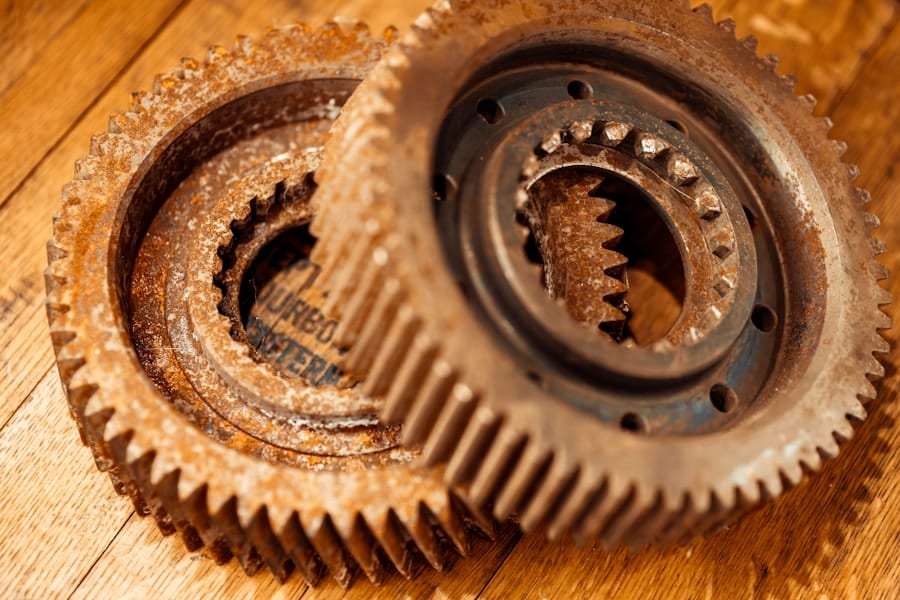
As we delve deeper into the world of automotive performance, upgrading our transmission can be one of the most impactful modifications we can make. A performance-oriented transmission can significantly enhance our vehicle’s acceleration, responsiveness, and overall driving dynamics. Whether we are looking to improve our car for racing or simply want a more exhilarating driving experience on the road, upgrading our transmission is a step worth considering.
There are various options available when it comes to upgrading our transmission. We might choose to install a high-performance clutch for manual transmissions or opt for a more advanced torque converter in automatic systems. These upgrades can provide quicker shifts and better power transfer, allowing us to harness more of our engine’s potential.
Additionally, we can explore aftermarket transmission control modules that offer customizable settings for shift points and firmness, tailoring our driving experience to our preferences.
Exploring the World of Automatic Transmission Upgrades
When it comes to automatic transmissions, there is a vast array of upgrades available that can transform our driving experience. One popular upgrade is the installation of a performance torque converter. This component plays a crucial role in transferring power from the engine to the transmission, and a high-performance torque converter can significantly improve acceleration and responsiveness.
By allowing higher RPMs before locking up, we can achieve quicker launches and better overall performance. Another avenue for enhancing automatic transmissions is through tuning. Many modern vehicles come equipped with electronic control units (ECUs) that manage various aspects of engine and transmission performance.
By reprogramming these ECUs, we can adjust shift points, firmness, and even fuel mapping to optimize performance. This level of customization allows us to tailor our vehicle’s behavior to suit our driving style, whether we prefer smooth shifts for daily driving or aggressive shifts for spirited driving.
Manual Transmission Upgrades: What You Need to Know
For those of us who enjoy the engagement of driving a manual transmission, there are numerous upgrades available that can enhance both performance and enjoyment. One of the most common upgrades is the installation of a short-throw shifter. This modification reduces the distance we need to move the gear lever between shifts, resulting in quicker gear changes and a more connected feel to the vehicle.
The tactile feedback from a short-throw shifter can make driving more enjoyable and responsive. Additionally, upgrading the clutch system is another critical consideration for manual transmission enthusiasts. A high-performance clutch can handle increased power levels and provide better engagement during shifts.
This upgrade is particularly beneficial for those of us who may be pushing our vehicles to their limits on the track or during spirited drives. By investing in quality components for our manual transmission, we can significantly enhance our driving experience while ensuring reliability under demanding conditions.
The Role of Electronics in Transmission Transformation
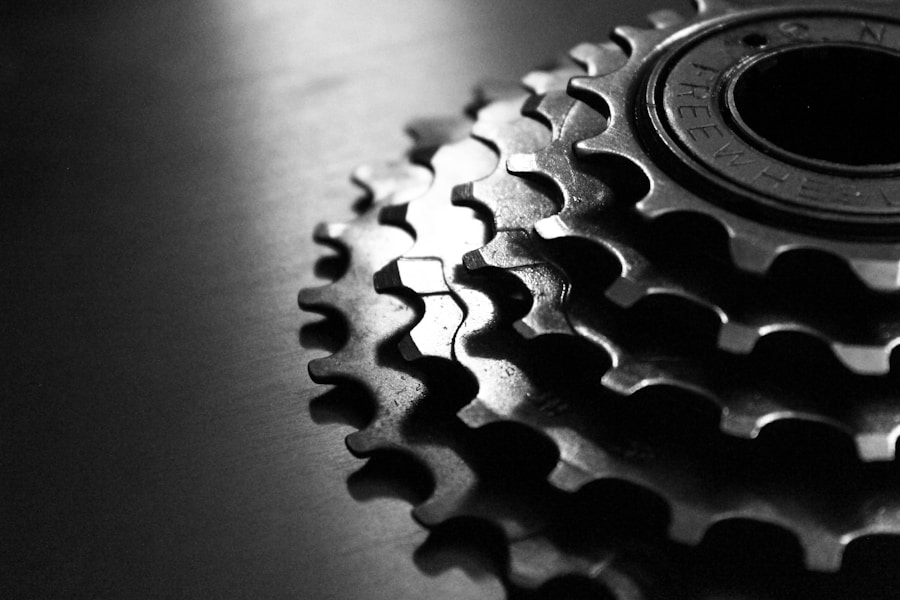
In today’s automotive landscape, electronics play an increasingly vital role in how transmissions operate and perform. Modern vehicles often feature sophisticated electronic control systems that manage everything from shift timing to adaptive learning algorithms that adjust to our driving habits. These advancements have revolutionized how we interact with our vehicles and have opened up new possibilities for performance upgrades.
One significant benefit of electronic control systems is their ability to adapt in real-time to changing conditions. For instance, if we are driving in inclement weather or on uneven terrain, the transmission can adjust its shifting patterns to optimize traction and stability. Furthermore, aftermarket tuning options allow us to modify these electronic systems for enhanced performance.
By reprogramming the transmission control module (TCM), we can achieve quicker shifts and improved throttle response, making our driving experience more exhilarating.
The Benefits of Upgrading Your Transmission
Upgrading our transmission offers a multitude of benefits that extend beyond mere performance enhancements. One of the most significant advantages is improved reliability. Many factory transmissions are designed with a balance between cost-effectiveness and performance; however, upgrading components can lead to increased durability under demanding conditions.
This means fewer breakdowns and repairs over time, allowing us to enjoy our vehicles without constant worry about potential failures. Additionally, an upgraded transmission can enhance fuel efficiency in certain scenarios. By optimizing shift points and improving power transfer, we may find that our vehicles operate more efficiently under various driving conditions.
This not only saves us money at the pump but also contributes to a more environmentally friendly driving experience. Ultimately, upgrading our transmission can lead to a more enjoyable and reliable ownership experience while providing us with greater control over how our vehicles perform.
Finding the Right Transmission Specialist for Your Upgrades
As we consider upgrading our transmissions, finding the right specialist is crucial for ensuring quality work and optimal results. Not all mechanics have the same level of expertise when it comes to transmissions; therefore, it’s essential to do our research before making a decision. We should look for specialists who have extensive experience with both manual and automatic transmissions and who are familiar with performance upgrades specific to our vehicle make and model.
Reading reviews and seeking recommendations from fellow automotive enthusiasts can also guide us in finding a reputable specialist. Once we have identified potential candidates, it’s wise to consult with them about our goals for upgrading our transmission. A knowledgeable specialist will take the time to understand our needs and provide tailored recommendations based on their expertise.
By choosing the right professional for our upgrades, we can ensure that we achieve the desired results while maintaining the integrity and reliability of our vehicle’s transmission system. In conclusion, understanding gear shifting basics, maintaining proper transmission health, exploring upgrade options, and finding qualified specialists are all integral parts of enhancing our vehicle’s performance through transmission upgrades. Whether we drive a manual or automatic vehicle, these considerations will help us make informed decisions that lead to an improved driving experience tailored to our preferences and needs.
If you are interested in learning more about auto body repair, you may want to check out this article on the best auto body repair in Columbia, South Carolina. This article provides valuable information on finding top-notch auto body repair services in the area. It is a great resource for those looking to maintain their vehicle’s appearance and functionality.
FAQs
What is gear shifting?
Gear shifting is the process of changing the gear ratio of a vehicle’s transmission in order to match the desired speed and power requirements.
Why is gear shifting important?
Gear shifting is important because it allows the engine to operate at its most efficient speed for a given driving condition, which can improve fuel economy and overall performance.
What are the basic steps of gear shifting?
The basic steps of gear shifting include pressing the clutch pedal, moving the gear shift lever to the desired gear, and releasing the clutch pedal smoothly.
What is double clutching?
Double clutching is a technique used in older vehicles or vehicles with non-synchronized transmissions, where the driver presses the clutch pedal twice during a gear shift to match the engine speed with the transmission speed.
What is rev matching?
Rev matching is a technique used to match the engine speed with the transmission speed during a downshift, which helps to smooth out the gear change and reduce wear on the transmission.
What are some advanced techniques for gear shifting?
Some advanced techniques for gear shifting include heel-toe downshifting, skip shifting, and power shifting, which require more skill and practice to master.