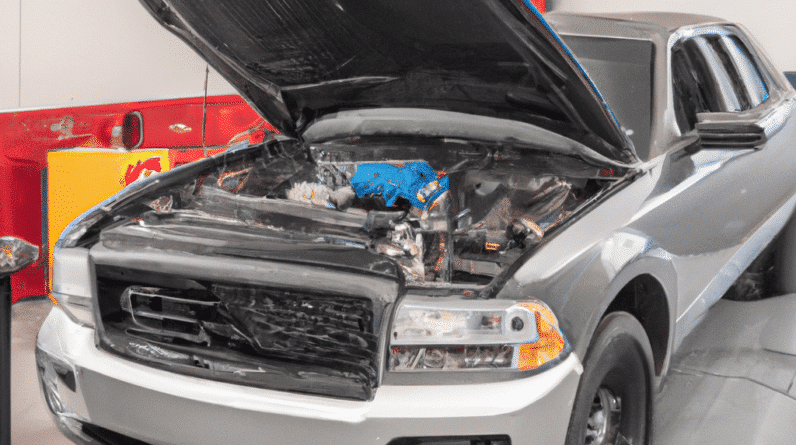
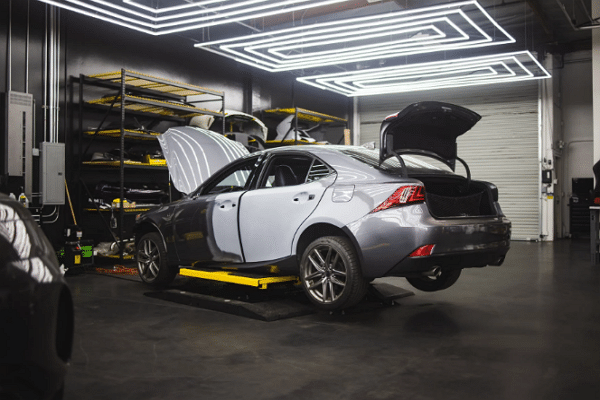
Car repairs can be costly and time consuming especially if your vehicle is out of warranty. However understanding the different types of warranties and coverage options available to you can help alleviate some of the stress associated with unexpected car repairs. In this blog post we will take a deep dive into warranties and explore the coverage options for car repairs.
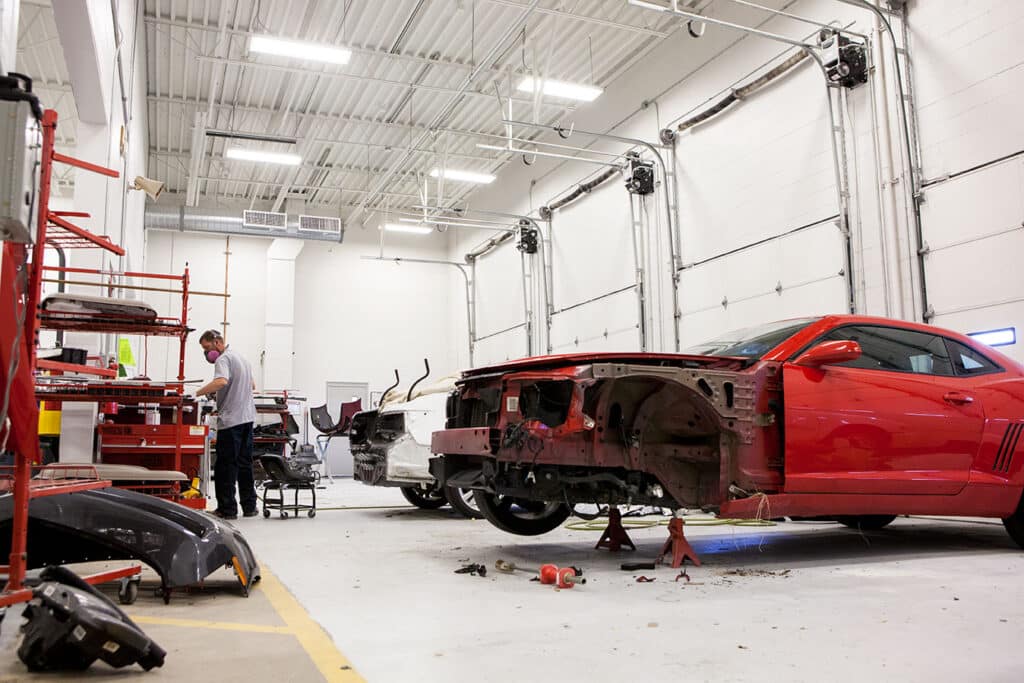
Types of Warranties
When purchasing a new car it typically comes with a warranty that covers certain repairs and services for a specified period of time or mileage. There are several types of warranties available including –
- Bumper to bumper warranty – This type of warranty covers most of the car’s components excluding wear and tear items such as tires and brake pads.
- Powertrain warranty – This warranty covers the car’s engine transmission and drivetrain components which are typically the most expensive to repair.
- Certified pre owned warranty – When buying a certified pre owned (CPO) vehicle it often comes with an extended warranty that provides coverage beyond the original factory warranty.
- Extended warranty – This type of warranty can be purchased separately and provides coverage for a longer period of time or mileage than the original factory warranty.
What’s Covered?
Each warranty will have specific coverage details outlined in the terms and conditions. Some common repairs covered by warranties may include –
- Engine repairs
- Transmission repairs
- Electrical system repairs
- Brake system repairs
- Suspension system repairs
- Air conditioning system repairs
It’s important to read and understand what is covered and what is not covered under your warranty to avoid any surprises when it comes time to make a claim.
Exclusions and Limitations
While warranties provide coverage for certain repairs there are often exclusions and limitations that can affect what repairs are covered. Some common exclusions may include –
- Wear and tear items such as brake pads tires and filters
- Damage caused by accidents or misuse
- Modifications or aftermarket parts that are not approved by the manufacturer
It’s important to be aware of these exclusions and limitations to avoid any unexpected costs when making a claim for repairs.
Extended Warranty Options
If your vehicle is no longer covered under the original factory warranty or you purchased a used car without a warranty you may want to consider purchasing an extended warranty. Extended warranties can provide coverage for repairs beyond the manufacturer’s warranty period and can offer peace of mind knowing that unexpected repairs will be covered.
When considering an extended warranty be sure to –
- Research the reputation of the warranty provider
- Read and understand the terms and conditions of the warranty
- Compare coverage options and pricing
- Consider the deductible and claim process
By doing your due diligence and selecting the right extended warranty for your vehicle you can protect yourself from costly repairs down the road.

Understanding the different types of warranties and coverage options for car repairs can help you make informed decisions when it comes to protecting your vehicle. Whether you have a new car with a factory warranty or are considering purchasing an extended warranty for a used vehicle knowing what is covered and what is not covered can save you time money and frustration in the long run.
By taking the time to research and compare warranty options you can select the best coverage for your needs and drive with confidence knowing that your car repairs are covered.