Welding plays a pivotal role in the realm of automobile body repair, serving as a fundamental technique for restoring vehicles to their original integrity and safety. As you delve into the world of automotive repair, you will discover that welding is not merely a method of joining metal; it is an art form that requires precision, skill, and a deep understanding of materials. The automotive industry has evolved significantly over the years, with advancements in technology leading to the development of various welding techniques tailored to meet the specific needs of modern vehicles.
Understanding these techniques is essential for anyone involved in automobile body repair, whether you are a seasoned professional or an aspiring technician. In the context of automobile body repair, welding is employed to fix damaged sections, replace rusted components, and ensure that the structural integrity of the vehicle is maintained. The process involves melting and fusing metal parts together, creating a strong bond that can withstand the rigors of daily use.
As you explore the different welding techniques available, you will gain insight into their unique applications, advantages, and limitations. This knowledge will empower you to make informed decisions when it comes to selecting the appropriate welding method for various repair scenarios.
- Welding is a crucial process in automobile body repair, used to join metal components and restore structural integrity.
- Gas Metal Arc Welding (GMAW) is a popular welding technique in automobile body repair, known for its versatility and ability to weld various metals.
- Gas Tungsten Arc Welding (GTAW) is a precise and clean welding technique suitable for thin materials and intricate welds in automobile body repair.
- Shielded Metal Arc Welding (SMAW) is a versatile and portable welding technique commonly used for repairing automobile body panels and frames.
- Resistance Spot Welding is a fast and efficient technique for joining metal sheets in automobile body repair, commonly used in mass production.
Gas Metal Arc Welding (GMAW) Technique
Gas Metal Arc Welding (GMAW), commonly known as MIG welding, is one of the most widely used welding techniques in automobile body repair. This method utilizes a continuous wire electrode and a shielding gas to create a weld pool that fuses metal parts together. As you familiarize yourself with GMAW, you will appreciate its versatility and ease of use, making it an ideal choice for both beginners and experienced welders alike.
The process allows for high-speed welding, which is particularly beneficial in a busy repair shop environment where time is often of the essence. One of the standout features of GMAW is its ability to weld a variety of materials, including steel, aluminum, and stainless steel. This adaptability makes it an invaluable tool in automobile body repair, where different metals may be present in a single vehicle.
Additionally, GMAW produces minimal spatter and requires less cleanup compared to other welding methods, which can enhance productivity in your repair work. However, it is essential to consider factors such as material thickness and joint design when using GMAW, as these elements can influence the quality of the weld.
Gas Tungsten Arc Welding (GTAW) Technique

Gas Tungsten Arc Welding (GTAW), also known as TIG welding, is another prominent technique used in automobile body repair. Unlike GMAW, GTAW employs a non-consumable tungsten electrode to produce the weld. This method is renowned for its ability to create high-quality welds with exceptional precision, making it particularly suitable for thin materials and intricate work.
As you explore GTAW, you will find that it offers greater control over the welding process, allowing you to manipulate heat input and achieve clean, aesthetically pleasing welds. While GTAW may require more skill and practice compared to GMAW, its advantages are undeniable. The process produces minimal distortion and oxidation, which is crucial when working on delicate components or when aesthetics are a priority.
Additionally, GTAW can be used on a wide range of materials, including exotic alloys that may be found in high-performance vehicles. However, it is important to note that GTAW can be slower than other welding methods, so careful planning and execution are necessary to ensure efficiency in your repair projects.
Shielded Metal Arc Welding (SMAW) Technique
Shielded Metal Arc Welding (SMAW), often referred to as stick welding, is one of the oldest welding techniques still in use today. This method involves using a consumable electrode coated in flux to create a weld pool. As you delve into SMAW, you will discover its simplicity and effectiveness in various applications, particularly in situations where portability and versatility are essential.
This technique is especially useful for outdoor repairs or in environments where access to electricity may be limited. One of the key advantages of SMAW is its ability to weld thick materials and produce strong joints. This makes it an excellent choice for repairing structural components of vehicles that require robust connections.
Additionally, SMAW can be used on a variety of metals, including cast iron and carbon steel. However, it is important to be aware that SMAW can produce more slag and spatter than other methods, necessitating additional cleanup efforts after welding. As you gain experience with SMAW, you will learn how to manage these challenges effectively while still achieving high-quality results.
Resistance Spot Welding Technique
Resistance Spot Welding (RSW) is a specialized technique commonly used in the automotive industry for joining sheet metal components. This method involves applying heat generated by electrical resistance to create localized welds at specific points on the metal surfaces. As you explore RSW, you will find that it is particularly effective for assembling vehicle bodies and components quickly and efficiently.
The speed of this technique makes it ideal for mass production environments where consistency and reliability are paramount. One of the significant benefits of resistance spot welding is its ability to produce strong welds without the need for additional filler materials or shielding gases. This not only simplifies the process but also reduces the overall cost of repairs.
Additionally, RSW minimizes distortion in the surrounding metal, which is crucial when working with thin sheets commonly found in automobile bodies. However, mastering this technique requires specialized equipment and training to ensure proper electrode alignment and pressure application during the welding process.
Laser Welding Technique
Precision and Quality
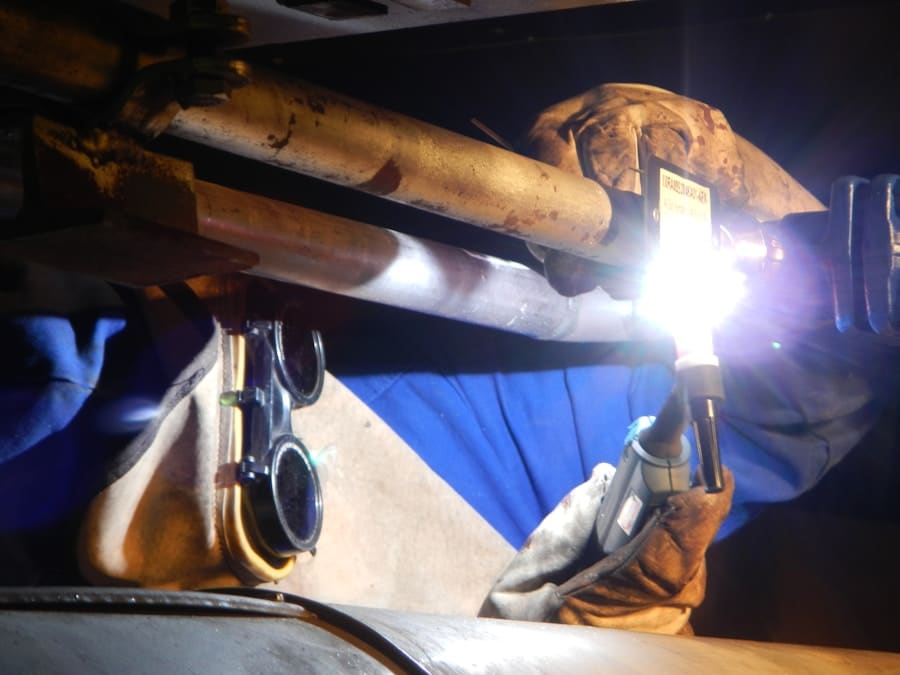
Laser welding is ideal for modern vehicles that incorporate lightweight materials such as aluminum and high-strength steel. The precision of this technique ensures that the welds are of high quality, with minimal distortion or spatter, maintaining the aesthetic appeal of the vehicle’s surface.
Efficiency and Productivity
One of the significant advantages of laser welding is its ability to increase welding speeds compared to traditional methods. This efficiency can significantly reduce production times in automotive manufacturing and repair settings, making it an attractive option for large-scale operations.
Accessibility and Limitations
While laser welding offers numerous benefits, it is essential to recognize that it requires specialized equipment and expertise, making it less accessible for smaller repair shops or individual technicians. This limitation highlights the need for investment in training and equipment for those looking to adopt this advanced technique.
Stud Welding Technique
Stud welding is a unique technique that involves attaching metal studs or fasteners to a workpiece using an electric arc or resistance heat. This method is particularly useful in automobile body repair for securing components such as brackets or reinforcements without compromising the integrity of the surrounding material. As you explore stud welding, you will find that it offers several advantages over traditional fastening methods, including reduced labor time and improved joint strength.
One of the key benefits of stud welding is its ability to create strong connections without the need for pre-drilled holes or additional hardware. This not only streamlines the assembly process but also minimizes potential points of failure in the repair work. Additionally, stud welding can be performed on various materials, including steel and aluminum, making it versatile for different applications within automobile body repair.
However, like other welding techniques, mastering stud welding requires practice and familiarity with equipment settings to achieve optimal results.
Conclusion and Considerations for Welding in Automobile Body Repair
As you navigate the world of automobile body repair, understanding the various welding techniques available will empower you to make informed decisions that enhance your skills and improve your work quality. Each method—whether it’s GMAW, GTAW, SMAW, RSW, laser welding, or stud welding—offers unique advantages tailored to specific applications within automotive repair. By familiarizing yourself with these techniques and their respective strengths and limitations, you will be better equipped to tackle diverse repair challenges with confidence.
In conclusion, while mastering these welding techniques may require time and dedication, the rewards are well worth the effort. High-quality welds not only restore vehicles to their original condition but also ensure safety and longevity for drivers on the road. As you continue your journey in automobile body repair, remember that each weld represents an opportunity to hone your craft and contribute positively to the automotive industry as a whole.
Embrace the learning process and stay curious about advancements in welding technology; your commitment to excellence will undoubtedly set you apart as a skilled technician in this dynamic field.
If you are interested in learning more about auto body repair, you may want to check out this article on auto body repair careers. This article discusses the various career opportunities available in the auto body repair industry and how it can lead to job satisfaction and growth. It provides valuable insights into the skills and training needed to succeed in this field, making it a great resource for those considering a career in auto body repair.
FAQs
What are the different techniques for welding in automobile body repair?
There are several techniques for welding in automobile body repair, including MIG welding, TIG welding, spot welding, and resistance welding.
What is MIG welding?
MIG welding, or metal inert gas welding, uses a wire electrode that is fed through a welding gun and melted to join two pieces of metal together. It is commonly used in automobile body repair due to its versatility and ease of use.
What is TIG welding?
TIG welding, or tungsten inert gas welding, uses a non-consumable tungsten electrode to create the weld. It produces high-quality, precise welds and is often used for more delicate or intricate repairs in automobile body work.
What is spot welding?
Spot welding uses two copper alloy electrodes to clamp the metal sheets together and pass an electric current through them to create a weld. It is commonly used in automobile manufacturing and repair for joining sheet metal together.
What is resistance welding?
Resistance welding uses the heat generated by the resistance to electric current to join two pieces of metal together. It is commonly used in automobile body repair for welding high-strength steels and aluminum.
Which welding technique is best for automobile body repair?
The best welding technique for automobile body repair depends on the specific repair needs and the type of metal being welded. MIG welding is commonly used for general repairs, while TIG welding is preferred for more precise and delicate work. Spot welding and resistance welding are also commonly used in automobile body repair, depending on the specific requirements of the repair job.