When it comes to automobile body repair, fasteners play a crucial role in ensuring the structural integrity and safety of vehicles. Fasteners are the unsung heroes of automotive assembly, holding together various components that make up the vehicle’s body. From the frame to the panels, every part relies on these small yet mighty elements to maintain its position and function effectively.
Understanding the different types of fasteners and their applications is essential for anyone involved in automobile repair, whether you are a seasoned mechanic or a DIY enthusiast. In the world of automotive repair, fasteners are not just about holding parts together; they also contribute to the overall performance and longevity of the vehicle. The right fastener can make a significant difference in how well a repair holds up over time.
As you delve into the various types of fasteners used in automobile body repair, you will discover that each type has its unique characteristics, advantages, and specific applications. This knowledge will empower you to make informed decisions when tackling repairs, ensuring that your work is both effective and durable.
- Fasteners are essential components in automobile body repair, holding together various parts of the vehicle.
- Bolts and screws are commonly used fasteners, with bolts being used for higher strength applications and screws for lighter duty.
- Nuts and washers are used in conjunction with bolts and screws to secure them in place and distribute the load evenly.
- Rivets are permanent fasteners that are commonly used in areas where welding is not practical.
- Clips and retainers are used to secure panels and trim pieces in place, providing a quick and easy way to attach and detach components.
- Adhesives and sealants are used to bond and seal components together, providing an alternative to mechanical fasteners.
- Welding and soldering are used to permanently join metal components together, providing a strong and durable connection.
- Choosing the right fastener for the job is crucial, considering factors such as material, strength, corrosion resistance, and ease of installation.
Bolts and Screws
Key Characteristics of Bolts and Screws
Bolts typically feature a larger head and are designed to be used with a nut, while screws have a pointed end that allows them to be driven directly into materials without the need for a nut.
Advantages of Bolts in Body Repairs
When working on body repairs, bolts provide a strong and secure connection. When properly torqued, bolts can withstand significant loads and stresses, making them ideal for critical structural components.
Efficient Repairs with Screws
On the other hand, screws are often favored for their ease of installation. They can be quickly driven into place with a power tool, allowing for efficient repairs. However, it’s essential to choose the right type of screw for the material you are working with, as different materials may require specific thread designs or coatings to prevent corrosion.
Nuts and Washers
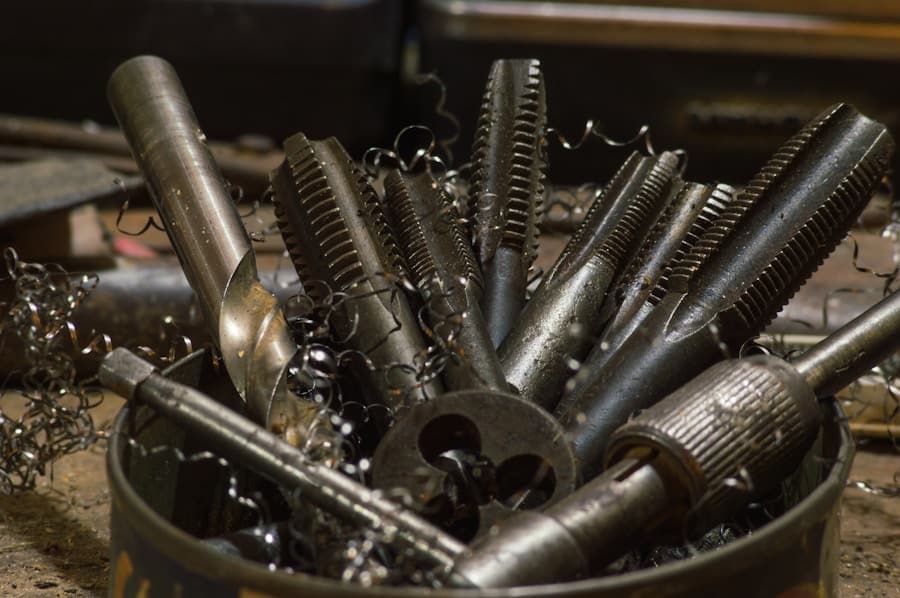
Nuts and washers are essential companions to bolts and screws in automobile body repair. Nuts are hexagonal or square-shaped fasteners that fit onto the threaded end of a bolt or screw, providing a secure hold when tightened. Washers, on the other hand, are flat discs that distribute the load of the fastener over a larger area, preventing damage to the material being fastened and reducing the risk of loosening due to vibration.
Using nuts and washers correctly can significantly enhance the durability of your repairs. For instance, when fastening two metal panels together, placing a washer under the nut can help prevent the nut from digging into the softer material, which could lead to failure over time. Additionally, using lock washers can provide extra security by preventing nuts from loosening due to vibrations encountered while driving.
Understanding how to select and use nuts and washers effectively will ensure that your repairs stand the test of time.
Rivets
Rivets are another popular fastening option in automobile body repair, particularly for joining thin sheets of metal. Unlike bolts and screws, rivets create a permanent connection by deforming one end of the fastener after it has been inserted through pre-drilled holes in the materials being joined. This makes rivets an excellent choice for applications where a strong, permanent bond is required without the need for access to both sides of the joint.
The use of rivets in automotive repair dates back many years and remains relevant today due to their strength and reliability. They are commonly used in areas such as body panels, where welding may not be feasible or desirable. When installing rivets, it’s crucial to ensure that you have the right tools and techniques to achieve a proper fit.
A poorly installed rivet can lead to structural weaknesses and potential failure down the line. Familiarizing yourself with different types of rivets—such as solid rivets, blind rivets, and pop rivets—will help you choose the best option for your specific repair needs.
Clips and Retainers
Clips and retainers serve as essential fasteners in automobile body repair, particularly for securing trim pieces, panels, and other components that require easy removal or adjustment. These fasteners come in various shapes and sizes, designed to fit specific applications within the vehicle’s body structure. They are often made from plastic or metal and can be found in areas such as door panels, bumpers, and fender liners.
One of the primary benefits of using clips and retainers is their ability to provide a secure hold while allowing for quick disassembly when necessary. This is particularly useful during repairs or maintenance when access to certain components is required. However, it’s important to handle these fasteners with care, as they can be prone to breaking or bending if excessive force is applied during removal or installation.
Understanding how each type of clip or retainer functions will enable you to work more efficiently and avoid damaging components during repairs.
Adhesives and Sealants
In recent years, adhesives and sealants have gained popularity as alternative fastening methods in automobile body repair. These materials offer unique advantages over traditional mechanical fasteners by providing a strong bond that can withstand various environmental conditions. Adhesives are often used for bonding dissimilar materials, such as metal to plastic or glass, while sealants are primarily used to create watertight seals around joints and seams.
The use of adhesives in automotive repair allows for greater design flexibility since they can bond surfaces without adding bulk or weight. This is particularly beneficial in areas where space is limited or where aesthetics are a concern. However, it’s essential to select the right adhesive for your specific application, as different adhesives have varying curing times, temperature tolerances, and resistance to chemicals.
Sealants also play a critical role in preventing water intrusion and protecting against corrosion, making them indispensable in areas exposed to moisture.
Welding and Soldering
Welding and soldering are two advanced fastening techniques that are often employed in automobile body repair for creating strong, permanent joints between metal components. Welding involves melting the base materials together using heat generated by an electric arc or gas flame, resulting in a robust bond that can withstand significant stress. This method is commonly used for structural repairs where strength is paramount.
Soldering, on the other hand, is typically used for joining smaller metal parts or electrical connections by melting a filler metal at a lower temperature than welding. While soldering may not provide the same level of strength as welding, it is an effective method for delicate repairs where precision is required. Both techniques require skill and practice to master; therefore, investing time in learning proper welding or soldering techniques will greatly enhance your capabilities as an automotive repair technician.
Choosing the Right Fastener for the Job
Selecting the appropriate fastener for your automobile body repair project is crucial for achieving optimal results. Factors such as material compatibility, load requirements, environmental conditions, and ease of installation should all be considered when making your choice. For instance, if you are repairing a section of the vehicle exposed to moisture, opting for stainless steel bolts or screws with corrosion-resistant coatings would be wise.
Additionally, understanding the specific requirements of each repair will guide you in choosing between mechanical fasteners like bolts and screws or alternative methods such as adhesives or welding. Each type of fastener has its strengths and weaknesses; therefore, taking the time to assess your options will lead to more effective repairs that stand up over time. By familiarizing yourself with various fasteners and their applications within automobile body repair, you will be better equipped to tackle any project with confidence and skill.
In conclusion, fasteners are integral components in automobile body repair that contribute significantly to both functionality and safety. By understanding the different types of fasteners available—bolts, screws, nuts, washers, rivets, clips, adhesives, welding techniques—you can make informed decisions that enhance your repair work’s quality and durability. Whether you are a professional mechanic or an enthusiastic DIYer, mastering these fastening methods will undoubtedly elevate your skills in automotive repair.
If you are interested in learning more about auto body repair, you may want to check out this article on the best auto body repair shops in Lincoln, Nebraska. These shops likely use a variety of fasteners in their repair work, so understanding the different types of fasteners used in automobile body repair can give you a better appreciation for the work they do. You can read more about the top auto body repair shops in Lincoln, Nebraska here.
FAQs
What are the different types of fasteners used in automobile body repair?
There are several types of fasteners used in automobile body repair, including bolts, screws, nuts, clips, rivets, and plastic push pins.
What are bolts and screws used for in automobile body repair?
Bolts and screws are used to secure various components of the automobile body, such as fenders, bumpers, and trim pieces.
What are nuts used for in automobile body repair?
Nuts are used in conjunction with bolts and screws to secure components of the automobile body. They provide a threaded connection for the fastener to tighten against.
What are clips used for in automobile body repair?
Clips are used to secure panels and trim pieces to the automobile body. They often provide a snap-fit connection and are commonly used in areas that require frequent access, such as the interior trim.
What are rivets used for in automobile body repair?
Rivets are used to permanently fasten components of the automobile body, such as sheet metal panels. They provide a strong and secure connection and are often used in structural applications.
What are plastic push pins used for in automobile body repair?
Plastic push pins are used to secure various components of the automobile body, such as interior trim panels and underbody shields. They provide a quick and easy way to secure components without the need for tools.