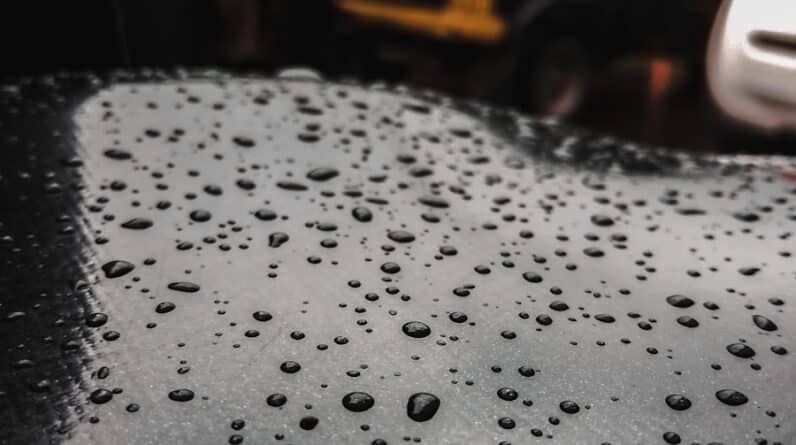
When it comes to maintaining the longevity and appearance of your vehicle, understanding the concepts of undercoating and rustproofing is essential. Undercoating refers to the application of a protective layer to the underside of your vehicle, shielding it from moisture, dirt, and road debris. This layer acts as a barrier against corrosion, which can be particularly damaging in regions where roads are treated with salt during winter months.
Rustproofing, on the other hand, focuses specifically on preventing rust from forming on the metal surfaces of your vehicle. Both processes are crucial for preserving your car’s structural integrity and aesthetic appeal. As you consider the importance of these protective measures, think about the environment in which you drive.
If you live in an area with harsh winters or high humidity, your vehicle is at a greater risk for rust and corrosion. By investing in undercoating and rustproofing, you are not only enhancing your vehicle’s lifespan but also potentially increasing its resale value. A well-maintained vehicle is more attractive to buyers, and showing that you’ve taken steps to protect it can make a significant difference when it comes time to sell or trade it in.
- Undercoating and rustproofing are essential for protecting your vehicle from corrosion and rust.
- Oil-based undercoating products provide excellent penetration and protection against rust and corrosion.
- Wax-based undercoating products offer a durable and flexible barrier against moisture and salt.
- Rubber-based undercoating products provide a tough, rubberized coating that resists chipping and abrasion.
- Asphalt-based undercoating products offer a thick, durable barrier against moisture and road debris.
Oil-Based Undercoating Products
Advantages of Oil-Based Undercoating
One of the primary advantages of oil-based undercoating is its ability to penetrate existing rust and provide a barrier against further corrosion. This means that even if your vehicle has some minor rust spots, an oil-based product can help halt the spread of damage.
Drawbacks of Oil-Based Undercoating
However, while oil-based undercoating offers excellent protection, it does come with some drawbacks. The application process can be messy, and the product may require reapplication over time as it can wear off due to exposure to the elements. Additionally, oil-based products can attract dirt and grime, which may necessitate more frequent cleaning of your vehicle’s undercarriage.
Effectiveness and Popularity
Despite these challenges, many car enthusiasts swear by oil-based undercoating for its effectiveness in providing long-lasting protection against rust.
Wax-Based Undercoating Products

Wax-based undercoating products present another option for those looking to protect their vehicles from rust and corrosion. These products are typically made from a blend of waxes and solvents that create a durable, water-resistant barrier when applied to the undercarriage. One of the key benefits of wax-based undercoating is its ability to remain flexible over time, allowing it to expand and contract with temperature changes without cracking or peeling.
This flexibility makes it an excellent choice for vehicles that experience significant temperature fluctuations. In addition to their flexibility, wax-based products are often easier to apply than their oil-based counterparts. They tend to dry quickly and can be applied with minimal mess, making them a popular choice for DIY enthusiasts.
However, it’s important to note that while wax-based undercoating provides good protection against moisture, it may not be as effective at penetrating existing rust as oil-based products. Therefore, if your vehicle has already developed rust issues, you may want to consider using an oil-based product instead.
Rubber-Based Undercoating Products
Rubber-based undercoating products offer a unique approach to protecting your vehicle’s undercarriage from rust and corrosion. These products are formulated with rubberized compounds that create a thick, durable layer when applied. One of the standout features of rubber-based undercoating is its ability to absorb impacts and vibrations, which can help protect your vehicle from damage caused by road debris or rough terrain.
This makes rubber-based products particularly appealing for off-road enthusiasts or those who frequently drive on unpaved roads. Another advantage of rubber-based undercoating is its resistance to water and chemicals. Once cured, this type of undercoating forms a tough barrier that can withstand exposure to moisture, salt, and other corrosive substances.
However, it’s worth noting that rubber-based products can be more challenging to remove than other types of undercoating if you ever decide to strip it off. Additionally, while they provide excellent protection against moisture, they may not penetrate existing rust as effectively as oil-based options.
Asphalt-Based Undercoating Products
Asphalt-based undercoating products are another option available for those looking to protect their vehicles from rust and corrosion. These products are made from asphalt compounds that create a thick, waterproof barrier when applied to the undercarriage. One of the primary benefits of asphalt-based undercoating is its exceptional durability; it can withstand harsh environmental conditions and resist damage from road debris and chemicals.
However, while asphalt-based products offer strong protection, they do have some drawbacks. The application process can be labor-intensive, as these products often require multiple coats for optimal coverage. Additionally, asphalt-based undercoating can emit strong odors during application and curing, which may be off-putting for some users.
It’s also important to note that while asphalt provides excellent moisture resistance, it may not be as effective at penetrating existing rust compared to oil-based options.
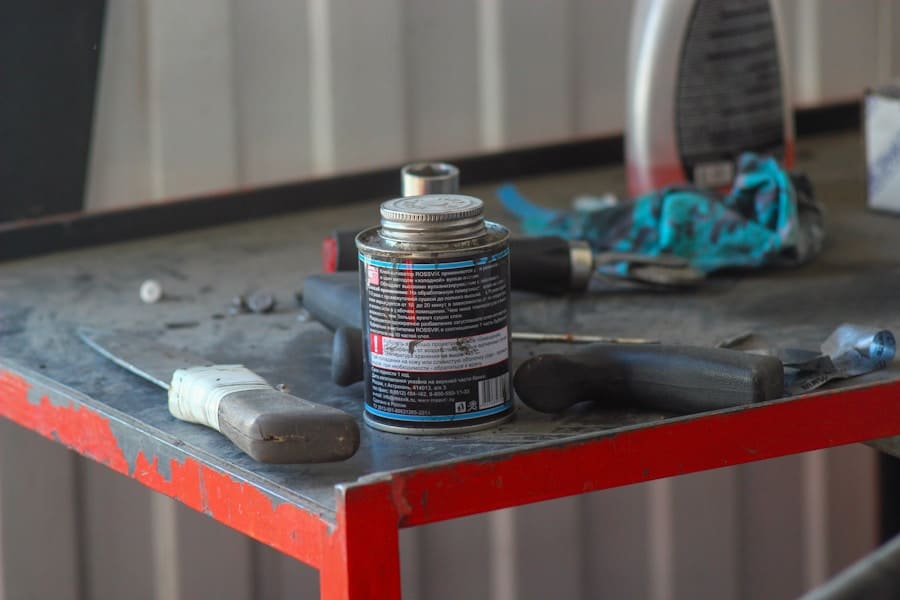
Synthetic Undercoating Products
Key Advantages of Synthetic Undercoating
One of the primary benefits of synthetic undercoating is its ability to form a thin yet durable barrier that adheres well to metal surfaces without adding significant weight to your vehicle. This makes it an ideal choice for those looking to protect their vehicle without compromising its performance.
Resistance and Application
In addition to their lightweight nature, synthetic products often boast excellent resistance to moisture and chemicals, making them suitable for various driving conditions. They typically dry quickly and can be applied in a single coat, which saves time during the application process.
Considerations and Limitations
However, it’s essential to consider that synthetic undercoating may not penetrate existing rust as effectively as some oil-based options. Therefore, if your vehicle has pre-existing rust issues, you might want to explore other alternatives before opting for synthetic solutions.
Electronic Rustproofing Devices
In recent years, electronic rustproofing devices have gained popularity as an innovative solution for preventing rust on vehicles. These devices work by using electrical currents to inhibit the electrochemical reactions that lead to corrosion on metal surfaces. By creating a protective field around your vehicle’s metal components, electronic rustproofing aims to prevent rust from forming without the need for traditional coatings or sprays.
While electronic rustproofing offers a unique approach to corrosion prevention, it’s important to understand its limitations. These devices are most effective when used in conjunction with other protective measures such as undercoating or regular maintenance checks. Additionally, some users report mixed results regarding their effectiveness in real-world conditions.
Therefore, if you’re considering electronic rustproofing for your vehicle, it’s wise to conduct thorough research and consult with professionals who have experience with these devices.
Choosing the Right Undercoating and Rustproofing Product for Your Vehicle
When it comes time to choose the right undercoating and rustproofing product for your vehicle, several factors should guide your decision-making process. First and foremost, consider your driving environment. If you frequently drive in areas with heavy snowfall or salt-treated roads, investing in a robust oil-based or rubber-based product may be wise due to their superior penetration capabilities and durability.
Next, think about your personal preferences regarding application methods and maintenance requirements. If you prefer a quick and easy application process with minimal mess, wax-based or synthetic options might be more appealing. On the other hand, if you’re willing to invest time into applying multiple coats for maximum protection, asphalt or oil-based products could be worth considering.
Lastly, don’t hesitate to seek advice from professionals or fellow car enthusiasts who have experience with different types of undercoating and rustproofing products. Their insights can provide valuable information about what works best in real-world scenarios and help you make an informed decision that aligns with your vehicle’s needs and your maintenance goals. In conclusion, understanding the various types of undercoating and rustproofing products available is crucial for maintaining your vehicle’s longevity and appearance.
By carefully considering your driving environment, personal preferences, and expert advice, you can choose the right protective measures that will keep your car looking great for years to come.
If you’re interested in learning more about creating trustworthy relationships with your mechanics, check out this article on how to create trustworthy bonds with your mechanics. Building a strong relationship with your mechanic can help ensure that your car receives the best care possible.
FAQs
What are undercoating and rustproofing products for automobiles?
Undercoating and rustproofing products are designed to protect the undercarriage and other vulnerable areas of a vehicle from corrosion caused by exposure to moisture, salt, and other environmental factors.
What are the different types of undercoating products for automobiles?
There are several types of undercoating products, including rubberized undercoating, asphalt-based undercoating, and wax-based undercoating. Each type offers different levels of protection and application methods.
What are the different types of rustproofing products for automobiles?
Rustproofing products for automobiles include cavity wax, oil-based rustproofing, and electronic rust inhibitors. These products are designed to prevent rust from forming on the metal surfaces of a vehicle.
How do undercoating and rustproofing products protect automobiles?
Undercoating products create a protective barrier between the metal surfaces of a vehicle and the elements, while rustproofing products inhibit the formation of rust by sealing out moisture and preventing oxidation.
Are undercoating and rustproofing products necessary for all vehicles?
While undercoating and rustproofing products are not necessary for all vehicles, they can be beneficial for those that are regularly exposed to harsh environmental conditions, such as salted roads or coastal areas.