
Welding in automobile body repair is a critical skill that can yield impressive results, but it also comes with a range of risks that you must be aware of. The process involves high temperatures and the use of various materials, which can lead to potential hazards if not managed properly. One of the most significant risks is exposure to harmful fumes and gases generated during welding.
These fumes can contain toxic metals and other harmful substances that, if inhaled over time, can lead to serious health issues. As you engage in welding tasks, it’s essential to understand the composition of the materials you are working with and the potential dangers they pose. In addition to respiratory risks, welding also presents physical dangers.
The intense heat generated during the welding process can cause burns, while the bright arc can lead to eye injuries, commonly known as “welder’s flash.” Furthermore, the equipment used in welding can be heavy and cumbersome, increasing the risk of physical strain or injury. You should always be mindful of your surroundings and the equipment you are using to minimize these risks. By understanding these hazards, you can take proactive steps to protect yourself and ensure a safer working environment.
- Welding in automobile body repair poses risks such as exposure to fumes, gases, and UV radiation, as well as fire and explosion hazards.
- Personal Protective Equipment (PPE) such as welding helmets, gloves, and aprons should be worn to protect against burns, eye injuries, and respiratory hazards.
- Proper ventilation and fire safety measures, such as fire extinguishers and spark-resistant clothing, should be in place to prevent accidents and injuries.
- Inspecting and preparing the work area includes checking for flammable materials, ensuring proper grounding, and removing any potential hazards.
- Training and certification for welding are essential to ensure that workers are knowledgeable about safe practices and techniques.
Personal Protective Equipment (PPE) for Welding
Protecting Your Face and Eyes
A welding helmet is one of the most critical pieces of PPE you should invest in. It shields your face and eyes from harmful UV rays and sparks that can cause severe injuries. When selecting a helmet, ensure it has an appropriate shade lens for the type of welding you are performing, as this will help reduce glare and improve visibility.
Protecting Your Skin and Hands
In addition to a helmet, you should wear flame-resistant clothing to protect your skin from sparks and heat. Long-sleeved shirts and pants made from materials like cotton or specialized flame-resistant fabrics are ideal choices. Gloves are another essential component of your PPE arsenal; they not only protect your hands from burns but also provide a better grip on tools and materials.
Protecting Your Feet and Overall Safety
Steel-toed boots are also recommended to safeguard your feet from heavy equipment or falling objects. By equipping yourself with the right PPE, you significantly reduce your risk of injury while enhancing your comfort and focus during welding tasks.
Proper Ventilation and Fire Safety Measures
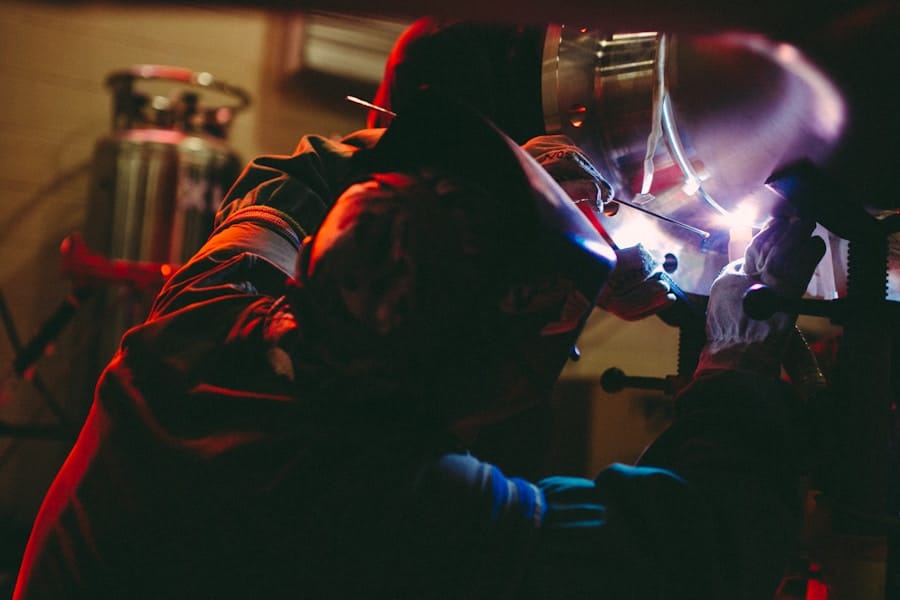
Proper ventilation is crucial when welding, especially in enclosed spaces where fumes can accumulate quickly. Without adequate airflow, you may find yourself inhaling harmful gases that can lead to serious health complications over time. To ensure a safe working environment, always assess the ventilation in your workspace before starting any welding project.
If you’re working indoors, consider using exhaust fans or opening windows to facilitate airflow. In some cases, portable fume extractors may be necessary to capture harmful fumes at the source. Fire safety measures are equally important when it comes to welding.
The sparks generated during the welding process can easily ignite flammable materials nearby, leading to potentially devastating fires. Before you begin welding, take a moment to inspect your work area for any combustible materials such as paper, wood, or chemicals. If possible, remove these items from the vicinity or cover them with fire-retardant materials.
Additionally, having a fire extinguisher readily available is essential; ensure it is rated for the types of fires that could occur in your workspace. By prioritizing ventilation and fire safety, you create a safer environment for yourself and those around you.
Inspecting and Preparing the Work Area
Before diving into any welding project, it’s vital to thoroughly inspect and prepare your work area. A clean and organized workspace not only enhances efficiency but also minimizes risks associated with welding. Start by clearing away any unnecessary clutter that could pose a tripping hazard or obstruct your movement while working.
Ensure that all tools and materials are within easy reach so that you don’t have to stretch or bend awkwardly while welding. Next, check for any potential hazards in your work area. Look for leaks in gas lines or electrical cords that could pose risks during the welding process.
Ensure that your workbench is stable and secure, as this will provide a solid foundation for your tasks. Additionally, consider marking off your work area to keep others at a safe distance while you’re welding. By taking these preparatory steps, you set yourself up for a successful and safe welding experience.
Training and Certification for Welding
Investing time in training and certification is essential for anyone looking to excel in welding, particularly in automobile body repair. Proper training equips you with the skills needed to perform various welding techniques safely and effectively. Many community colleges and vocational schools offer courses specifically tailored to automotive welding, where you can learn about different types of welds, equipment operation, and safety protocols.
Certification is another important aspect of professional development in welding. Obtaining certification from recognized organizations not only validates your skills but also enhances your employability in the industry. Many employers prefer candidates who have completed formal training and hold relevant certifications, as this demonstrates a commitment to safety and quality workmanship.
By pursuing training and certification, you not only improve your technical abilities but also position yourself as a knowledgeable professional in the field.
Handling and Storing Welding Materials Safely
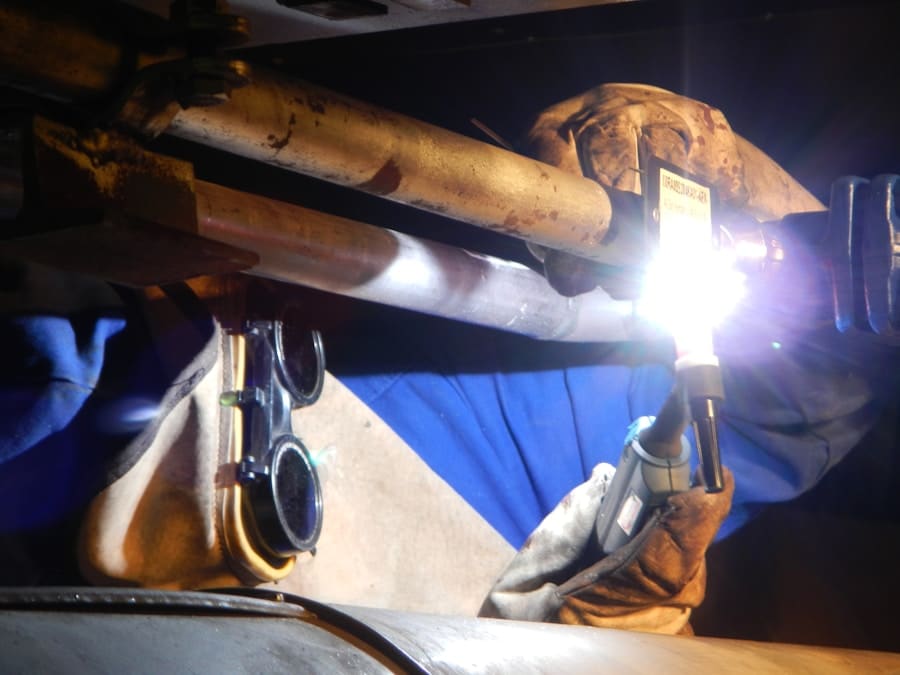
The safe handling and storage of welding materials are crucial components of maintaining a secure work environment. Welding rods, gases, and other materials can pose significant hazards if not managed properly. When handling these materials, always follow manufacturer guidelines and safety data sheets (SDS) for information on proper usage and potential risks associated with each item.
When it comes to storage, ensure that all welding materials are kept in designated areas away from heat sources or flammable substances. Gas cylinders should be stored upright in well-ventilated areas and secured to prevent tipping over. Additionally, keep an inventory of your materials so that you can easily track what you have on hand and avoid unnecessary purchases or waste.
By implementing safe handling and storage practices, you contribute to a safer workplace for yourself and your colleagues.
Avoiding Electrical Hazards and Proper Grounding
Electrical hazards are a significant concern when it comes to welding, as the process involves high-voltage equipment that can pose serious risks if not handled correctly. One of the most critical aspects of electrical safety is ensuring proper grounding of your welding equipment. Grounding helps prevent electrical shock by providing a safe path for stray currents to flow away from you and into the ground.
Before starting any welding project, take a moment to inspect your equipment for any signs of wear or damage, particularly in electrical cords and connections. If you notice frayed wires or loose connections, address these issues before proceeding with your work. Additionally, always use equipment that is rated for the specific type of welding you are performing; using incompatible tools can increase the risk of electrical hazards.
By prioritizing electrical safety measures and ensuring proper grounding practices, you significantly reduce the likelihood of accidents while working.
Post-Welding Safety Measures and Inspections
Once you’ve completed your welding tasks, it’s essential to implement post-welding safety measures to ensure both your safety and the integrity of your work. Begin by inspecting your welds for quality; look for any signs of defects such as cracks or incomplete fusion that may compromise the strength of the joint. Addressing these issues promptly can save time and resources down the line.
After inspecting your work, take time to clean up your workspace thoroughly. Remove any leftover materials or debris that could pose hazards later on. Additionally, ensure that all tools are returned to their designated storage areas to maintain organization for future projects.
Finally, take a moment to review any safety protocols or lessons learned during the project; this reflection can help reinforce safe practices for future welding tasks. By incorporating these post-welding measures into your routine, you contribute to a culture of safety that benefits everyone involved in automobile body repair.
When welding in automobile body repair, it is crucial to take safety precautions to prevent accidents and injuries. One related article that provides valuable information for beginners in auto body repair is Technological Evolution in Car Repair: Adapting to Digital Diagnostics and Advanced Diagnostic Tools, can help improve the efficiency and accuracy of auto body repair processes.





