
All-wheel-drive (AWD) vehicles have become increasingly popular among drivers who seek enhanced traction and stability, particularly in challenging weather conditions. These vehicles are designed to distribute power to all four wheels simultaneously, which allows for improved handling and control on slippery or uneven surfaces. By engaging all wheels, AWD systems provide better grip, making them ideal for navigating through rain, snow, or off-road terrains.
As we delve deeper into the mechanics of AWD, we realize that this technology is not just about power distribution; it also involves sophisticated engineering that enhances the overall driving experience. Moreover, AWD systems can be classified into two main types: full-time and part-time. Full-time AWD vehicles continuously send power to all four wheels, while part-time systems can switch between two-wheel drive and all-wheel drive as needed.
This versatility allows drivers to adapt to varying road conditions without having to manually engage or disengage the system. As we explore the intricacies of AWD vehicles, it becomes clear that understanding their functionality is crucial for maintaining optimal performance and safety.
- AWD vehicles distribute power to all four wheels for improved traction and handling
- Improper wheel alignment can cause uneven tire wear and affect AWD vehicle performance
- Timely wheel alignment is crucial for maintaining optimal handling and stability in AWD vehicles
- Improper wheel alignment can lead to decreased fuel efficiency and compromised safety in AWD vehicles
- Proper wheel alignment can save on fuel costs and extend the lifespan of AWD vehicle components
The Impact of Improper Wheel Alignment on AWD Vehicles
Improper wheel alignment can have significant repercussions for AWD vehicles, affecting both their performance and longevity. When the wheels are not aligned correctly, it can lead to uneven tire wear, which compromises traction and handling. This misalignment can stem from various factors, including hitting potholes, curbs, or simply the wear and tear that comes with regular driving.
As we consider the implications of misalignment, we recognize that it can create a ripple effect, leading to more severe mechanical issues if left unaddressed. Additionally, misaligned wheels can strain the drivetrain components of an AWD vehicle. Since these systems rely on precise power distribution to all four wheels, any deviation in alignment can disrupt this balance.
This disruption not only affects the vehicle’s handling but can also lead to increased fuel consumption as the engine works harder to compensate for the misalignment. Understanding these impacts helps us appreciate the importance of regular maintenance and timely interventions to keep our AWD vehicles running smoothly.
Importance of Timely Wheel Alignment in AWD Vehicles
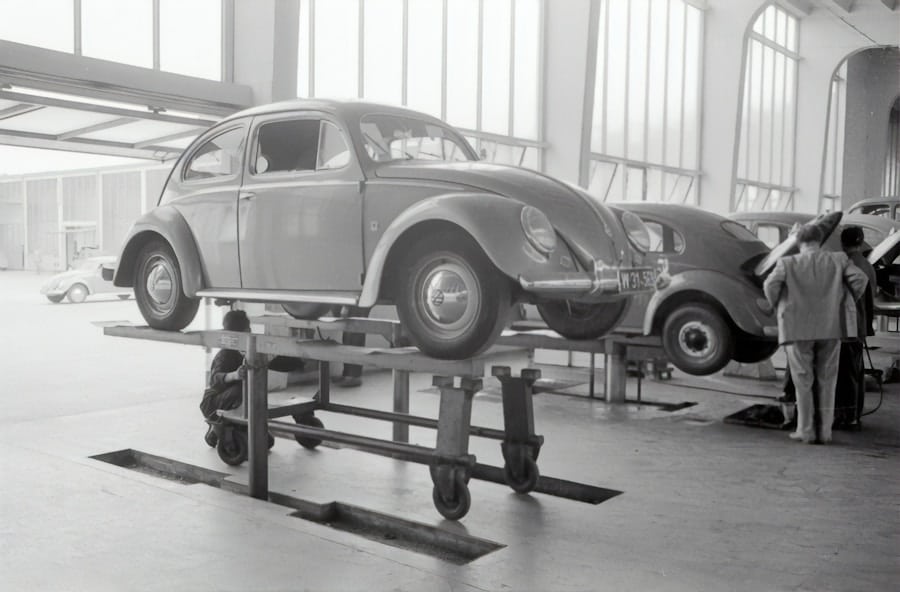
Timely wheel alignment is essential for maintaining the performance and safety of our AWD vehicles. Regular alignment checks can help us identify any issues before they escalate into more significant problems. By ensuring that our wheels are properly aligned, we can enhance tire longevity, improve fuel efficiency, and maintain optimal handling characteristics.
This proactive approach not only saves us money in the long run but also contributes to a safer driving experience. Moreover, timely wheel alignment is particularly crucial for AWD vehicles due to their complex drivetrain systems. Since these vehicles are designed to distribute power evenly across all four wheels, any misalignment can lead to uneven wear on tires and increased stress on drivetrain components.
By prioritizing regular alignment checks, we can ensure that our AWD systems function as intended, providing us with the stability and control we need in various driving conditions.
Effects of Improper Wheel Alignment on AWD Vehicle Performance
The effects of improper wheel alignment on AWD vehicle performance can be profound and multifaceted. One of the most immediate consequences is a noticeable decline in handling and steering responsiveness. When our wheels are misaligned, we may find ourselves struggling to maintain control during turns or when navigating uneven surfaces.
This lack of control can be particularly concerning in adverse weather conditions, where traction is already compromised. In addition to handling issues, improper alignment can lead to a decrease in overall vehicle stability. As we drive, we may experience vibrations or pulling to one side, which can be distracting and potentially dangerous.
These performance issues not only diminish our driving experience but can also lead to further mechanical complications if not addressed promptly. By recognizing these effects, we can better understand the importance of maintaining proper wheel alignment for our AWD vehicles.
Safety Concerns Related to Improper Wheel Alignment in AWD Vehicles
Safety is a paramount concern for all drivers, and improper wheel alignment poses significant risks for those operating AWD vehicles. When our wheels are misaligned, it can lead to unpredictable handling characteristics that may compromise our ability to respond effectively in emergency situations. For instance, if we encounter a sudden obstacle or need to make a quick maneuver, misaligned wheels can hinder our ability to steer accurately, increasing the likelihood of an accident.
Furthermore, improper alignment can exacerbate tire wear, leading to blowouts or loss of traction at critical moments. This is especially concerning for AWD vehicles that rely on all four wheels for optimal grip and stability. As we navigate through various driving conditions, ensuring that our wheels are properly aligned becomes a crucial aspect of maintaining not only our safety but also the safety of others on the road.
Cost Savings and Longevity of AWD Vehicles with Proper Wheel Alignment
Reduced Tire Wear and Fuel Efficiency
When our wheels are aligned correctly, we experience reduced tire wear, which means we won’t have to replace tires as frequently. This not only saves us money on tire purchases but also contributes to better fuel efficiency since properly aligned wheels reduce rolling resistance.
A Long-Term Investment in Performance and Savings
As we consider the long-term financial implications of regular alignment checks, it becomes clear that this maintenance practice is an investment in both our vehicle’s performance and our wallets. Moreover, maintaining proper wheel alignment contributes to the overall longevity of our AWD vehicles.
Minimizing Repair Risks and Enhancing the Driving Experience
By preventing excessive wear on tires and drivetrain components, we can extend the lifespan of these critical parts. This proactive approach minimizes the risk of costly repairs down the line and ensures that our vehicles remain reliable for years to come. As we prioritize regular maintenance practices like wheel alignment, we enhance our driving experience while safeguarding our investment.
How to Determine If Your AWD Vehicle Needs Wheel Alignment
Determining whether our AWD vehicle needs wheel alignment involves paying attention to several key indicators. One of the most common signs is uneven tire wear; if we notice that one side of a tire is wearing down faster than the other, it may be time for an alignment check. Additionally, if we experience a pulling sensation while driving—where the vehicle drifts to one side despite holding the steering wheel straight—this could indicate misalignment.
Another telltale sign is a steering wheel that is off-center when driving straight. If we find ourselves constantly adjusting the steering wheel to keep the vehicle on course, it’s a strong indication that an alignment issue exists. Regularly monitoring these signs allows us to address potential problems early on and maintain optimal performance for our AWD vehicles.
Finding a Reliable Mechanic for AWD Wheel Alignment
Finding a reliable mechanic for wheel alignment services is crucial for ensuring that our AWD vehicles receive the care they need. We should look for mechanics who specialize in AWD systems and have experience working with various makes and models. Reading online reviews and seeking recommendations from friends or family can help us identify trustworthy professionals who prioritize quality service.
Additionally, it’s essential to choose a mechanic who uses modern equipment and technology for alignment services. Advanced alignment machines can provide precise measurements and adjustments, ensuring that our wheels are aligned correctly. By investing time in finding a reputable mechanic, we can ensure that our AWD vehicles receive the best possible care, ultimately enhancing their performance and longevity on the road.
In conclusion, understanding the intricacies of all-wheel-drive vehicles and the importance of proper wheel alignment is essential for every driver who values safety and performance. By prioritizing timely alignments and seeking reliable mechanics, we can ensure that our AWD vehicles remain in optimal condition for years to come.
Proper wheel alignment is crucial for all-wheel-drive vehicles to ensure optimal performance and safety on the road. In addition to alignment, it is also important to choose the right auto body repair shop for any maintenance or repairs needed. For those in Clarksville, Tennessee, the article “Best Auto Body Repair in Clarksville, Tennessee” provides valuable insights into finding a reputable and dependable shop. Similarly, residents in Louisville, Jefferson County, Kentucky can refer to