The check engine light is one of the most recognizable indicators on our vehicle’s dashboard, yet it often evokes a sense of dread among drivers. This small, illuminated icon can signify a range of issues, from minor to severe, and understanding its implications is crucial for maintaining our vehicle’s health. When the light turns on, it serves as a warning that something within the engine or emissions system requires our attention.
It can be triggered by various factors, including sensor malfunctions, fuel system issues, or even a loose gas cap. As we navigate our daily lives, we may overlook the importance of this warning light until it becomes a more significant problem. Ignoring the check engine light can lead to more extensive damage and costly repairs down the line.
Therefore, it is essential for us to recognize that this light is not merely an annoyance; it is a vital communication tool between our vehicle and us. By paying attention to it, we can take proactive steps to ensure our car remains in optimal condition.
- The check engine light is a warning indicator that signals a potential issue with the vehicle’s engine or emissions system.
- If the check engine light comes on, immediately check for any obvious issues such as a loose gas cap and then have the vehicle’s diagnostic trouble codes read by a professional.
- Assess the severity of the issue by monitoring the vehicle’s performance and checking for any other warning lights or unusual noises.
- Potential causes of the check engine light include a faulty oxygen sensor, catalytic converter issues, or a loose or damaged gas cap.
- Consulting a professional mechanic is crucial for accurately diagnosing and repairing the issue indicated by the check engine light.
Immediate Steps to Take
When the check engine light illuminates, our first instinct might be to panic or feel overwhelmed. However, it is important for us to remain calm and take immediate steps to assess the situation. The first action we should consider is checking if the light is flashing or steady.
A flashing light typically indicates a more serious issue that requires urgent attention, while a steady light may suggest a less critical problem. Regardless of the type of illumination, we should avoid ignoring it and instead take the necessary steps to investigate further. Next, we should consider whether any unusual sounds or performance issues accompany the check engine light.
If we notice any strange noises, decreased power, or changes in fuel efficiency, it may indicate that we need to address the issue sooner rather than later. Additionally, we should check our gas cap to ensure it is securely tightened. A loose or damaged gas cap can trigger the check engine light and is an easy fix that we can handle ourselves.
By taking these initial steps, we can better understand the situation and determine our next course of action.
Assessing the Severity of the Issue
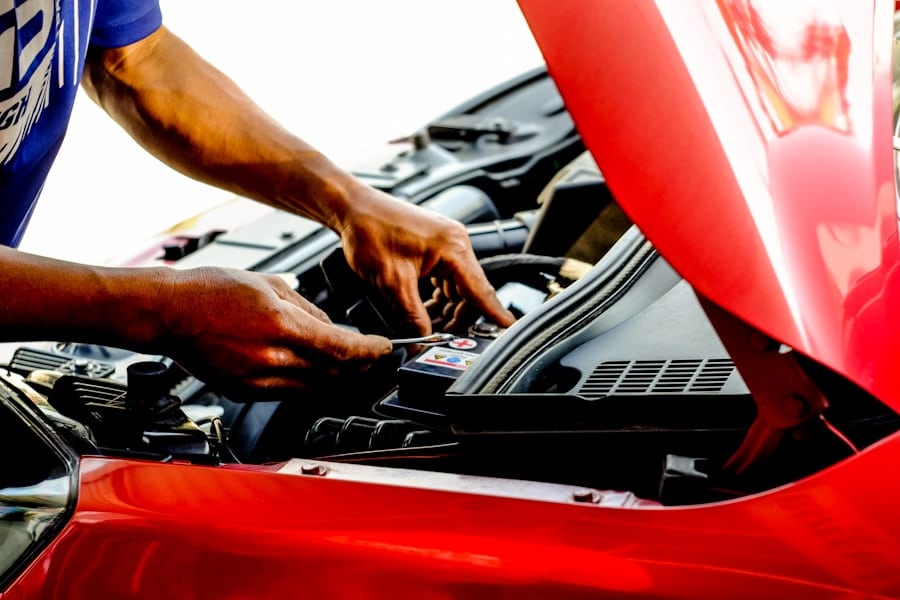
Once we have taken immediate steps to address the check engine light, it is essential for us to assess the severity of the issue at hand. This involves considering various factors, such as how long the light has been on and whether any other warning lights have appeared on the dashboard. If the check engine light has just turned on and there are no other indicators of trouble, we may have some time before needing to seek professional help.
However, if the light has been on for an extended period or if other warning lights are present, it may signal a more serious problem that requires prompt attention. We should also pay attention to how our vehicle is performing. If we experience significant changes in acceleration, braking, or overall handling, it may indicate that we are dealing with a more severe issue that could compromise our safety on the road.
In such cases, it is wise for us to err on the side of caution and seek assistance from a qualified mechanic as soon as possible. By accurately assessing the severity of the issue, we can make informed decisions about how to proceed and ensure our vehicle remains safe and reliable.
Potential Causes of the Check Engine Light
The check engine light can be triggered by a myriad of potential causes, ranging from simple fixes to complex mechanical failures. One common culprit is a faulty oxygen sensor, which plays a crucial role in monitoring the air-fuel mixture in our engine. When this sensor malfunctions, it can lead to decreased fuel efficiency and increased emissions, prompting the check engine light to illuminate.
Another frequent cause is a malfunctioning catalytic converter, which is essential for reducing harmful emissions. If this component fails, it can result in poor engine performance and costly repairs. Additionally, issues with spark plugs or ignition coils can also trigger the check engine light.
These components are vital for ensuring that our engine runs smoothly and efficiently. If they become worn or damaged, we may experience misfires or reduced power output. Other potential causes include problems with the mass airflow sensor, fuel injectors, or even simple issues like a loose gas cap.
By understanding these potential triggers, we can better prepare ourselves for what might be causing our vehicle’s warning light to activate.
Consulting a Professional Mechanic
When faced with a persistent check engine light, consulting a professional mechanic becomes an essential step in addressing the issue effectively. While we may be tempted to diagnose and fix the problem ourselves, modern vehicles are equipped with complex systems that often require specialized knowledge and tools. A qualified mechanic can perform a thorough diagnostic test using advanced equipment to pinpoint the exact cause of the check engine light activation.
During our visit to the mechanic, we should be prepared to provide them with as much information as possible about our vehicle’s symptoms and any changes we’ve noticed since the light turned on. This information can help them narrow down potential causes more quickly and accurately. Additionally, we should not hesitate to ask questions about their findings and recommended repairs.
Understanding what needs to be done and why can empower us as car owners and help us make informed decisions about our vehicle’s maintenance.
Continuing to Drive Safely
While waiting for repairs or diagnostics after noticing the check engine light, it is crucial for us to continue driving safely. If the light is steady and there are no significant performance issues, we may be able to drive our vehicle for a short period without immediate concern. However, if the light is flashing or if we notice any unusual behavior from our car—such as stalling or difficulty accelerating—we should avoid driving until we can have it checked out by a professional.
In situations where driving is necessary despite the warning light being on, we should remain vigilant and attentive to any changes in our vehicle’s performance. This includes monitoring how it accelerates, brakes, and handles on the road. If we notice any concerning symptoms while driving—such as strange noises or vibrations—we should pull over safely and refrain from continuing until we can assess the situation further.
Our safety and that of others on the road should always be our top priority.
Addressing the Issue Promptly
Once we have identified the cause of the check engine light with the help of a mechanic or through our own assessment, addressing the issue promptly becomes paramount. Delaying repairs can lead to more significant problems down the line, potentially resulting in costly repairs or even compromising our vehicle’s safety. By taking swift action to resolve any identified issues, we not only protect our investment but also ensure that our vehicle operates efficiently.
In many cases, addressing minor issues early on can prevent them from escalating into major repairs later. For instance, replacing a faulty oxygen sensor may seem like a small task, but neglecting it could lead to more severe engine problems over time. By prioritizing timely repairs and maintenance, we can keep our vehicle running smoothly and avoid unnecessary stress associated with unexpected breakdowns.
Preventative Maintenance and Monitoring
To minimize the chances of encountering a check engine light in the future, implementing a routine of preventative maintenance and monitoring is essential for us as vehicle owners. Regularly scheduled maintenance—such as oil changes, filter replacements, and inspections—can help keep our engine in optimal condition and reduce wear on critical components. Additionally, staying up-to-date with manufacturer-recommended service intervals ensures that we address potential issues before they become significant problems.
Monitoring our vehicle’s performance on an ongoing basis is equally important. We should pay attention to any changes in fuel efficiency, unusual sounds, or warning lights that may appear on our dashboard. By being proactive in observing these signs and addressing them promptly, we can maintain our vehicle’s health and longevity.
Ultimately, taking these preventative measures not only enhances our driving experience but also contributes to safer roads for everyone. In conclusion, understanding the check engine light is vital for all of us who own vehicles. By taking immediate steps when it illuminates, assessing severity accurately, consulting professionals when necessary, and committing to preventative maintenance practices, we can ensure that our vehicles remain reliable and safe for years to come.
If you are concerned about the safety of your vehicle after your check engine light comes on, it may be a good idea to consider getting it checked out by a professional. In fact, understanding the auto body repair warranty can provide you with peace of mind when it comes to the quality of the work being done on your car. This article on auto body repair warranties explains the importance of having a warranty in place to protect you in case anything goes wrong with the repairs.
FAQs
What does it mean when my check engine light comes on?
When your check engine light comes on, it means that your vehicle’s onboard diagnostic system has detected a problem with the engine, transmission, or emissions system. It could be something as simple as a loose gas cap or something more serious like a malfunctioning sensor.
Is it safe to continue driving if my check engine light comes on?
In most cases, it is safe to continue driving when the check engine light comes on. However, it is important to have your vehicle checked by a mechanic as soon as possible to determine the cause of the issue. If the check engine light is flashing, it indicates a more serious problem and you should pull over and have your vehicle towed to a mechanic.
What should I do if my check engine light comes on?
If your check engine light comes on, you should first check to see if your gas cap is loose. If it is tight and the light remains on, you should schedule an appointment with a mechanic to have your vehicle diagnosed and repaired. Ignoring the check engine light could lead to more serious and costly problems down the road.
Can I use a diagnostic tool to check the cause of the check engine light?
Yes, you can use a diagnostic tool, also known as an OBD-II scanner, to check the cause of the check engine light. Many auto parts stores offer free scanning services, or you can purchase your own OBD-II scanner to use at home. Keep in mind that while the scanner can provide a code indicating the issue, it may not always pinpoint the exact problem and professional diagnosis may still be necessary.