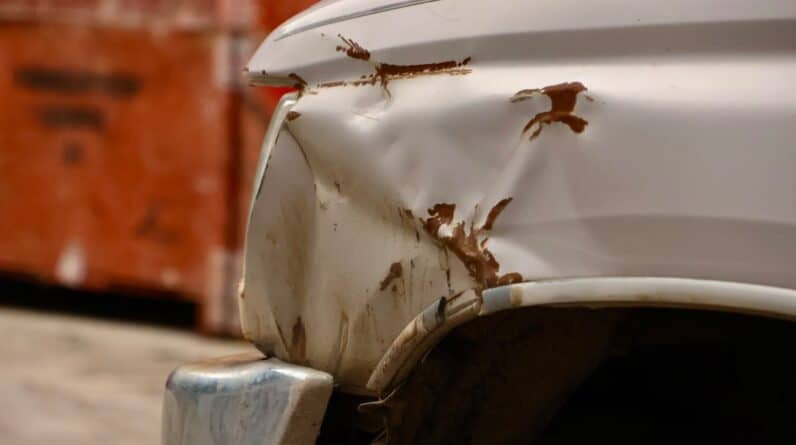
Navigating the aftermath of a collision can feel like being tossed into a turbulent sea. Your vehicle, once a reliable vessel, is now damaged, and the immediate concern shifts to restoring it to its pre-accident condition. When you find yourself in Hardin Village, McKinney, facing the need for insurance claim body repair, understanding the process and your options is paramount. This guide will equip you with the knowledge to navigate this often-complex journey, ensuring your vehicle receives the quality care it deserves and that your insurance claim proceeds smoothly.
The insurance claim process for vehicle body repair is a structured mechanism designed to assess damage, determine liability, and facilitate repairs. Think of it as a well-defined roadmap, with each step critical to reaching your destination: a safely repaired vehicle.
Initiating the Claim
The first, and arguably most crucial, step is to officially initiate your insurance claim. This act is akin to sounding the first alarm, alerting your insurance provider to the situation.
Reporting the Accident
Immediately following an accident, your primary responsibility is to report it to your insurance company. This usually involves a phone call to your insurer’s claims department or utilizing their online portal or mobile app.
Gathering Essential Information
When you contact your insurer, have the following information readily available:
- Your policy number: This is your unique identifier within their system.
- Date, time, and location of the accident: Precise details are important for their records.
- Details of the accident: A clear and concise narrative of how the collision occurred.
- Information about other parties involved: This includes their names, contact information, insurance details, and vehicle descriptions.
- Police report number (if applicable): If law enforcement responded to the scene, the report number will be vital.
- Details of any injuries: Even minor injuries should be reported.
The Role of the Claims Adjuster
Once you report the accident, your insurance company will assign a claims adjuster to your case. This individual acts as your primary point of contact and the investigator of your claim. They are the gatekeepers who will evaluate the damage and authorize repairs.
Initial Assessment and Communication
The adjuster’s initial role is to gather information and assess the scope of the damage. They may request photos or videos of the vehicle, or schedule an in-person inspection. Open and honest communication with your adjuster is key. They are there to help facilitate the process.
Damage Assessment and Estimation
This stage is where the physical reality of the collision is translated into a tangible repair plan and cost. It’s a critical juncture where the extent of the damage is quantified.
The Inspection Process
The claims adjuster will conduct a thorough inspection of your vehicle to identify all visible and hidden damage. This may occur at your location, a designated repair facility, or through a virtual assessment.
Understanding the Scope of Repairs
The adjuster will document every component that requires attention, from minor cosmetic dents to structural damage. This documentation forms the basis of the repair estimate.
The Repair Estimate
Based on the inspection, the adjuster will create a detailed repair estimate. This document, often referred to as a “supplemental” if additional damages are found later, outlines the parts needed, the labor involved, and the associated costs.
Parts and Labor Breakdown
The estimate will typically break down the cost of replacement parts (OEM – Original Equipment Manufacturer, or aftermarket) and the labor charges for the repair work. It’s important to understand what type of parts the estimate specifies.
Depreciation and betterment
When reviewing the estimate, be aware of potential deductions for depreciation on older parts, or potential charges for “betterment,” which occurs when a repair makes a component better than it was before the accident. Your insurance policy will dictate how these are handled.
If you’re navigating the complexities of insurance claims for body repairs in Hardin Village, McKinney, understanding repair estimates is crucial. A helpful resource on this topic is the article titled “Beyond the Numbers: A Practical Approach to Interpreting Car Repair Estimates.” This article provides valuable insights into how to read and interpret repair estimates, ensuring that you are well-informed when dealing with your insurance claim. You can read the full article here: Beyond the Numbers: A Practical Approach to Interpreting Car Repair Estimates.
Choosing a Body Shop for Your Insurance Claim in Hardin Village
Selecting the right body shop is like choosing the right surgeon for a complex operation. The expertise and integrity of the repair facility will directly impact the quality of the repair and the overall satisfaction with the outcome.
Direct Repair Programs (DRPs)
Many insurance companies partner with specific repair shops, forming what are known as Direct Repair Programs (DRPs) or preferred repair networks.
Benefits of Using a DRP Shop
Opting for a DRP shop can streamline the process. These shops have established relationships with your insurance provider, meaning they are familiar with their procedures and estimate protocols. This often leads to faster claim processing and direct billing to the insurance company.
Streamlined Communication
With a DRP shop, communication between the shop and the insurance adjuster is often more direct, reducing delays and potential misunderstandings.
Pre-Approved Pricing
DRP shops typically have pre-negotiated labor rates and parts pricing with the insurance company, which can help avoid disputes over cost.
Independent Repair Shops
You are not obligated to use a shop from your insurer’s DRP. You have the right to choose an independent repair facility.
Your Right to Choose
Your insurance policy grants you the freedom to select any licensed and reputable repair shop. Choosing an independent shop can offer advantages, such as potentially finding a facility with specialized expertise or a reputation for exceptional craftsmanship that aligns with your priorities.
Evaluating Shop Credentials
When considering an independent shop, research their reputation, customer reviews, and certifications. Look for shops that specialize in the type of repairs your vehicle requires.
What to Look for in a Body Shop
Regardless of whether you choose a DRP or an independent shop, certain universally important qualities should guide your decision.
Reputation and Reviews
A shop’s online reviews and word-of-mouth reputation are invaluable indicators of their service quality and customer satisfaction. Look for consistent positive feedback regarding honesty, quality of work, and customer service.
Licensed and Certified Technicians
Ensure the shop employs licensed and certified technicians. Certifications from organizations like I-CAR (Inter-Industry Conference on Auto Collision Repair) indicate a commitment to ongoing training and industry best practices.
I-CAR Certifications
I-CAR offers various certifications for technicians, demonstrating proficiency in areas such as structural repair, welding, and paint technology.
State Licensing and Insurance
Verify that the body shop is properly licensed by the state of Texas and carries adequate insurance. This protects you from potential liabilities.
Texas Department of Licensing and Regulation (TDLR)
The TDLR oversees the licensing of auto body repair facilities in Texas.
Warranties on Repairs
A reputable body shop will offer a warranty on their repair work. This is your assurance that they stand behind their craftsmanship.
Types of Warranties
Warranties can cover paint, parts, and labor. Understand the duration and coverage of any offered warranty.
The Repair Process: From Estimate to Completion
Once you’ve chosen a body shop, the meticulous process of transforming your damaged vehicle back to its pristine state begins. This phase requires patience and trust in the expertise of the repair facility.
Authorization and Parts Ordering
After the repair shop finalizes the estimate with your insurance adjuster, they will seek your authorization to proceed with the repairs. Once authorized, they will begin ordering the necessary parts.
Understanding the Supplement Process
It is common for hidden damage to be discovered as the repair process unfolds. In such instances, the body shop will submit a supplemental estimate to your insurance company for approval. This is a normal part of the process and ensures all necessary repairs are covered.
Communication During the Supplement
Proactive communication from the body shop regarding any supplemental findings is crucial. They should explain the new damage and the reason for the additional cost.
OEM vs. Aftermarket Parts
The type of parts used in your repair can significantly impact the quality and longevity of the work.
Original Equipment Manufacturer (OEM) Parts
OEM parts are manufactured by your vehicle’s original maker. They are designed to fit precisely and meet the manufacturer’s specifications, offering the highest assurance of quality and compatibility.
Benefits of OEM Parts
Using OEM parts is often preferred for maintaining the original integrity and resale value of your vehicle.
Aftermarket Parts
Aftermarket parts are made by companies other than the original manufacturer. While they can be a more cost-effective option, their quality and fit can vary.
When Aftermarket Parts Might Be Used
Your insurance policy will dictate the use of aftermarket parts, and often requires them to be “like kind and quality” to OEM parts.
The Actual Repair Work
This is the heart of the process, where skilled technicians meticulously restore your vehicle.
Structural Repair
If your vehicle has sustained frame or unibody damage, structural repair is a critical and complex undertaking.
Frame Straightening and Alignment
Modern repair shops utilize advanced equipment, such as frame benches and computerized measuring systems, to precisely straighten and align a vehicle’s frame.
Laser Measuring Systems
These systems ensure accurate measurements to restore the vehicle’s structural integrity within millimeters of factory specifications.
Body Panel Repair and Replacement
Dents, dings, and tears in body panels require skilled hands for repair or replacement.
Dent Repair Techniques
Techniques like paintless dent repair (PDR) can be used for minor dents, preserving the original paint. For larger damage, traditional bodywork involving filling, sanding, and shaping is employed.
Paintless Dent Repair (PDR)
PDR is an environmentally friendly process that uses specialized tools to massage metal back to its original shape without the need for repainting.
Panel Replacement
When damage is too severe to repair, body panels are replaced with new or reconditioned parts.
Ensuring Proper Fit and Finish
The shop must ensure that replacement panels fit seamlessly and are properly aligned with adjacent panels for a flawless finish.
Refinishing and Painting
This is the artistry of bringing your vehicle back to its pre-accident aesthetic.
Surface Preparation
Thorough preparation of the repaired areas is essential for a durable and smooth paint job. This includes sanding, priming, and filling.
Primer Application
Primer acts as a bonding agent between the vehicle’s metal and the topcoat, ensuring adhesion and corrosion resistance.
Color Matching and Application
Skilled painters meticulously match the original paint color and apply multiple layers for a uniform and durable finish. Specialized scanners and color databases are often used for precise matching.
Basecoat and Clearcoat
Modern automotive finishes typically involve a basecoat (the color) and a clearcoat (for protection and gloss).
Reassembly and Quality Control
Once the structural and cosmetic repairs are complete, the vehicle is reassembled.
Reinstallation of Components
All removed trim pieces, lights, exterior moldings, and interior components are carefully reinstalled.
Electrical Systems and Sensors
Modern vehicles have complex electrical systems and sensors that must be correctly reconnected and tested.
Final Inspection and Detailing
Before you take possession of your vehicle, the shop will conduct a thorough quality control inspection to ensure all repairs are completed to the highest standards. This is often followed by meticulous detailing.
Detailing Services
This typically includes washing, waxing, vacuuming, and cleaning the interior to return the vehicle to a presentable condition.
Dealing with the Insurance Payout and Settlement
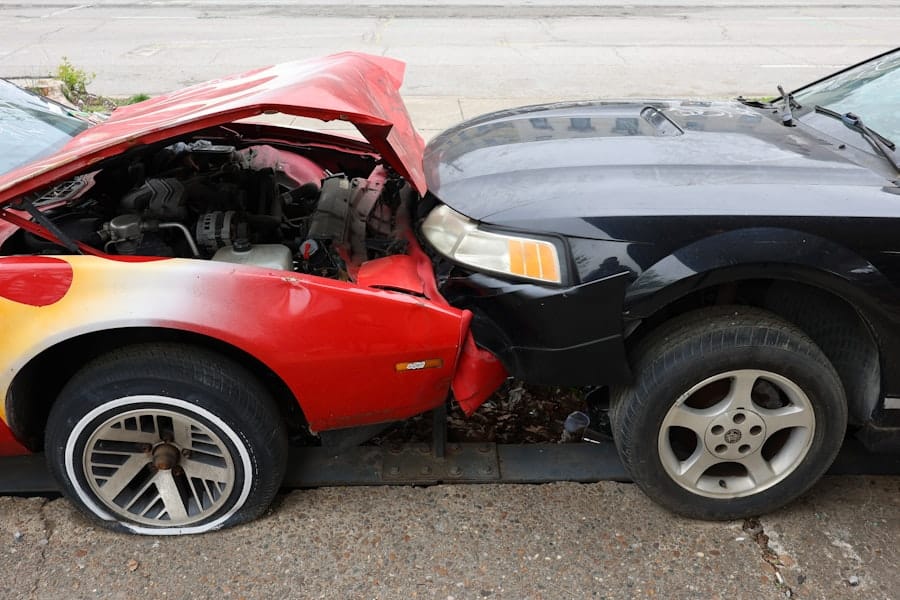
The financial aspect of an insurance claim is the final hurdle to overcome. Understanding how and when you will receive compensation is vital.
Receiving the Estimate and Repair Approval
Once the repair estimate is agreed upon by you, the body shop, and the insurance adjuster, authorization is granted for the repairs to commence.
Communication of the Final Estimate
You should receive a copy of the approved final estimate that details all agreed-upon repairs and costs.
Payment Procedures
There are several ways insurance funds are disbursed for body repairs.
Direct Payment to the Body Shop
Often, the insurance company will pay the body shop directly for the approved repair costs. This simplifies the process for you, as you may only be responsible for your deductible.
Your Deductible
Your deductible is the amount you agree to pay out-of-pocket for each claim before your insurance coverage begins. It is typically paid directly to the body shop.
Understanding Your Policy’s Deductible
Familiarize yourself with your policy’s deductible amount to avoid surprises.
Payment to the Policyholder
In some cases, the insurance company may issue a check directly to you, the policyholder. This is more common if you are handling the repairs yourself or if there are specific circumstances.
Responsibilities of the Policyholder
If you receive the payment directly, you are responsible for ensuring the repairs are completed and that the shop is paid the agreed-upon amount.
Partial Payments and Supplements
If supplemental repairs are approved after the initial work has begun, the insurance company may issue additional payments or adjust the final settlement.
Communication on Payment Delays
If you experience unexpected delays in receiving payment, do not hesitate to follow up with your insurance adjuster.
If you’re navigating the complexities of insurance claims for body repair in Hardin Village, McKinney, understanding the entire process can be crucial. A helpful resource is an article that outlines the steps involved in collision repair, which can provide valuable insights into what to expect. You can read more about it in this informative piece on collision repair, which breaks down the process from start to finish and can assist you in managing your claim effectively.
Beyond the Repair: Maintaining Your Vehicle’s Value
| Metric | Value | Details |
|---|---|---|
| Average Repair Time | 5 Days | Typical duration to complete body repairs |
| Customer Satisfaction Rate | 92% | Based on post-service surveys |
| Insurance Claims Processed Monthly | 150 | Number of claims handled per month |
| Average Claim Approval Time | 3 Days | Time taken for insurance approval |
| Warranty on Repairs | 12 Months | Coverage period for repair work |
| Types of Repairs | Collision, Dent Removal, Paint | Common repair services offered |
| Location | Hardin Village, Mckinney | Service area |
The repair process doesn’t end once you drive off the lot. Proactive maintenance is key to preserving the quality of the repair and the overall longevity of your vehicle.
Post-Repair Inspections
It’s prudent to perform a thorough inspection of your vehicle yourself after the repairs are completed.
Checking the Fit and Finish
Ensure all panels are aligned, doors and trunk open and close smoothly, and there are no visible gaps or misalignments.
Paint Quality Check
Inspect the paint for any evidence of overspray, unevenness, or color mismatches.
Sunlight as a Testing Ground
Check the paint under natural sunlight to best identify any imperfections.
Testing Functionality
Verify that all lights, sensors, and electrical components function correctly. Drive the vehicle to test its performance, paying attention to any unusual noises or handling issues.
Following Up on Warranties
Keep your repair documentation and warranty information in a safe place.
Understanding Your Warranty Coverage
Familiarize yourself with the terms and duration of the warranty provided by the body shop.
What to Do If Issues Arise
If any issues arise that you believe are covered by the warranty, contact the body shop immediately to arrange for a follow-up inspection and repair.
Ongoing Vehicle Maintenance
Regular maintenance is crucial for any vehicle, but especially after significant body repair.
Staying Current with Scheduled Maintenance
Adhere to your vehicle manufacturer’s recommended maintenance schedule, including oil changes, tire rotations, and fluid checks.
Importance of Mechanical Checks
While body shops focus on cosmetic and structural repairs, it’s essential to address any underlying mechanical issues that may have been exacerbated by the accident.
Regular Tire Pressure and Alignment Checks
Proper tire inflation and alignment are vital for safe driving and can be affected by chassis damage.
Protecting Your Investment
Treating your vehicle with care after repairs will help maintain its appearance and functionality, protecting your investment for the years to come, ensuring it remains a reliable and safe mode of transportation.
FAQs
What types of insurance claims are typically involved in body repair at Hardin Village McKinney?
Insurance claims for body repair at Hardin Village McKinney usually involve collision damage, comprehensive coverage for incidents like theft or vandalism, and sometimes liability claims when another party is at fault.
How does the insurance claim process work for body repair services in Hardin Village McKinney?
The process generally starts with reporting the incident to your insurance company, followed by an assessment of the damage by an adjuster. Once approved, the vehicle is taken to a certified body repair shop in Hardin Village McKinney for repairs, and the insurance company covers the agreed costs.
Are there preferred body repair shops in Hardin Village McKinney that work directly with insurance companies?
Yes, many insurance companies have partnerships with specific body repair shops in Hardin Village McKinney to streamline the claim and repair process, ensuring quality repairs and faster service.
What should I do if I need body repair after an accident in Hardin Village McKinney?
You should first contact your insurance provider to file a claim, then get an estimate from a reputable body repair shop in Hardin Village McKinney. The shop can often coordinate directly with your insurer to handle the repair process.
Does insurance cover the full cost of body repairs in Hardin Village McKinney?
Coverage depends on your insurance policy and the nature of the claim. Collision and comprehensive coverage typically cover repair costs minus any deductible, but liability coverage may only pay for damages to other vehicles or property. Always review your policy details for specific coverage information.