
Spot welding has emerged as a cornerstone technique in the realm of automobile body repair, revolutionizing the way vehicles are assembled and restored. This process involves the application of heat and pressure to join two or more metal surfaces together at specific points, creating a strong bond that is essential for the structural integrity of vehicles. As you delve into the world of automotive repair, understanding spot welding becomes crucial, not only for its technical aspects but also for its significant impact on the overall quality and safety of vehicles.
In the automotive industry, where precision and durability are paramount, spot welding offers a reliable solution for joining metal components. It is particularly favored for its speed and efficiency, allowing technicians to complete repairs in a fraction of the time it would take with traditional welding methods. As you explore the advantages of spot welding, you will discover how this technique enhances not only the performance of vehicles but also the safety of their occupants.
The following sections will delve deeper into the myriad benefits that spot welding brings to automobile body repair.
- Spot welding is a common technique used in automobile body repair to join metal sheets together.
- It increases the structural integrity and safety of the vehicle by creating strong and durable welds.
- Spot welding is cost-effective and efficient, saving time and money in the repair process.
- It minimizes heat distortion and warping, preserving the original shape and structure of the vehicle.
- The technique also improves aesthetic results, providing a seamless finish to the repaired area.
Increased Structural Integrity and Safety
One of the most compelling advantages of spot welding in automobile body repair is its ability to enhance structural integrity. When you consider the safety of a vehicle, the strength of its body is paramount. Spot welding creates strong, localized bonds that can withstand significant stress and impact, making it an ideal choice for critical areas of a vehicle’s structure.
This method ensures that joints are not only secure but also capable of absorbing energy during collisions, thereby protecting passengers and minimizing damage. Moreover, the precision of spot welding allows for consistent quality across repairs. As you engage with this technique, you will appreciate how it contributes to the overall safety standards of vehicles.
The reliability of spot welds means that manufacturers and repair shops can confidently assure customers that their vehicles are safe to drive. In an industry where safety is non-negotiable, spot welding stands out as a method that prioritizes both structural integrity and passenger protection.
Cost-Effectiveness and Efficiency
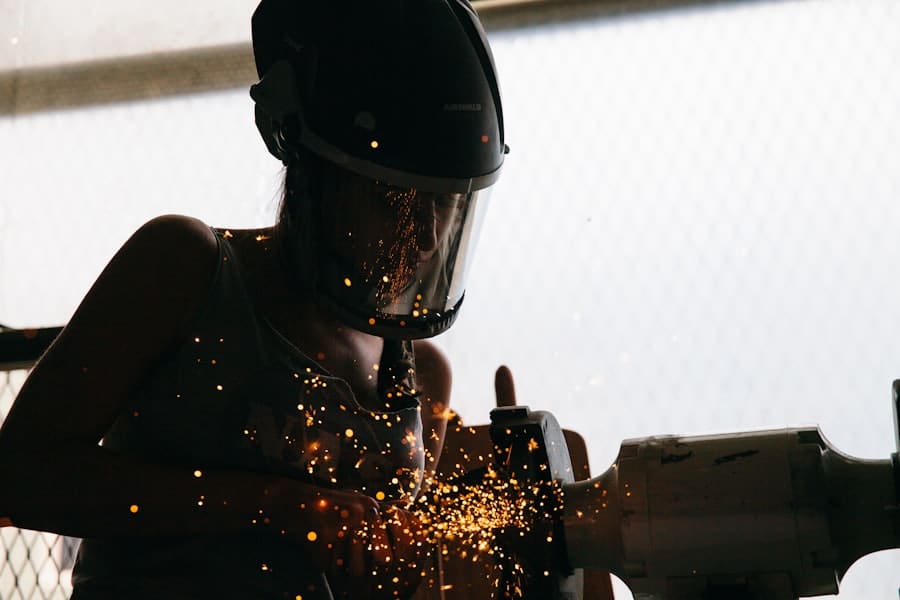
In today’s fast-paced automotive repair environment, cost-effectiveness and efficiency are critical factors that influence decision-making. Spot welding excels in both areas, making it a preferred choice for many repair shops. The speed at which spot welding can be performed significantly reduces labor costs, allowing technicians to complete repairs more quickly than with traditional methods.
As you consider the financial implications, it becomes clear that this efficiency translates into savings for both repair shops and customers alike. Additionally, the equipment used for spot welding is often less expensive than that required for other welding techniques. This affordability makes it accessible for a wide range of repair facilities, from small independent shops to large dealerships.
As you navigate through the options available in automobile body repair, you will find that spot welding not only streamlines the repair process but also offers a budget-friendly solution without compromising on quality.
Minimized Heat Distortion and Warping
Heat distortion and warping are common challenges faced during traditional welding processes, often leading to additional repairs and increased costs. However, spot welding mitigates these issues effectively. By applying heat only at specific points and for a brief duration, this technique minimizes the overall thermal impact on the surrounding metal.
As you explore this aspect of spot welding, you will appreciate how it preserves the integrity of the vehicle’s body panels, ensuring they remain true to their original shape. This precision in heat application is particularly beneficial when working with modern vehicles that utilize thinner materials and advanced alloys. As you engage with spot welding, you will find that it allows for greater control over the repair process, reducing the likelihood of warping or distortion that can compromise both aesthetics and functionality.
The result is a smoother finish and a more accurate restoration of the vehicle’s original design.
Improved Aesthetic Results
In addition to its structural benefits, spot welding also contributes to improved aesthetic results in automobile body repair. When you consider the visual appeal of a vehicle, seamless joints and smooth surfaces are essential. Spot welding creates clean connections that are less visible than those made with traditional welding methods.
This is particularly important for bodywork repairs where appearance matters significantly to customers. As you observe the results of spot welding in practice, you will notice how it allows for finer finishing techniques to be applied afterward. The reduced need for extensive grinding or smoothing means that technicians can achieve a polished look more efficiently.
This attention to detail not only enhances customer satisfaction but also elevates the overall quality of the repair work performed.
Environmental Benefits
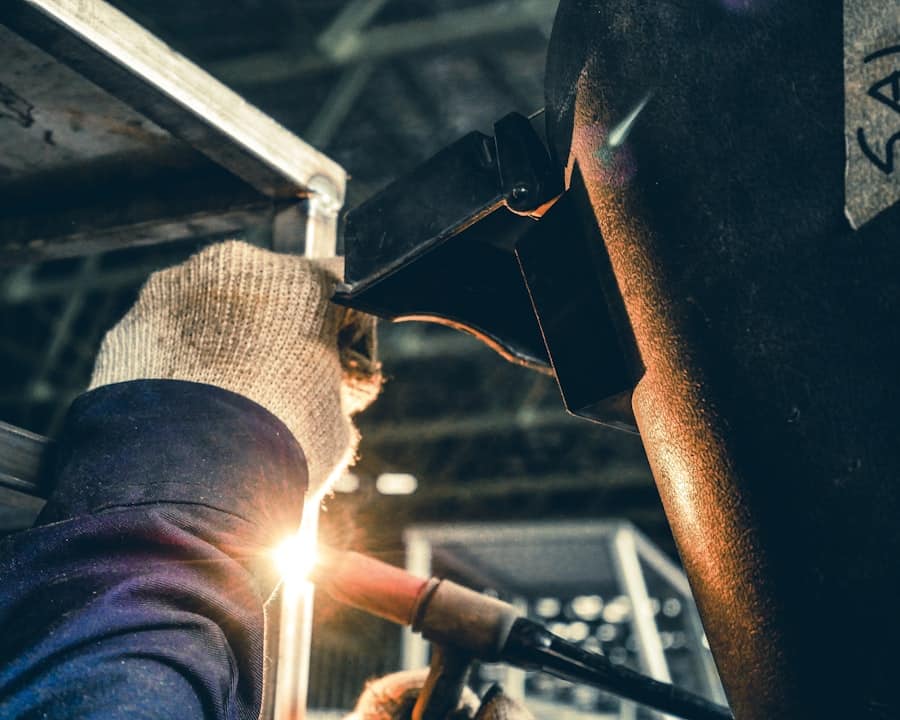
In an era where environmental consciousness is increasingly important, spot welding presents several ecological advantages over traditional welding methods. The energy efficiency of spot welding is noteworthy; it requires less power due to its rapid process and localized heat application. As you consider the environmental impact of automotive repairs, this efficiency translates into lower energy consumption and reduced carbon emissions.
Furthermore, spot welding generates less waste compared to other methods. The precision of this technique means that there is minimal excess material produced during repairs. As you engage with this aspect of spot welding, you will find that it aligns with sustainable practices in the automotive industry, promoting a greener approach to vehicle repair and manufacturing.
Versatility and Accessibility
Another significant advantage of spot welding is its versatility across various types of vehicles and materials. Whether working on cars, trucks, or even specialized vehicles, spot welding can be adapted to meet diverse repair needs. As you explore this versatility, you will discover how it accommodates different metal types and thicknesses, making it an invaluable tool in any technician’s arsenal.
Moreover, the accessibility of spot welding equipment has made it easier for repair shops to adopt this technique. With advancements in technology, modern spot welders are more user-friendly and require less specialized training than traditional welding methods. As you consider entering or advancing in the automotive repair field, embracing spot welding can enhance your skill set and open up new opportunities for efficient repairs.
The Advantages of Spot Welding in Automobile Body Repair
In conclusion, spot welding stands out as a transformative technique in automobile body repair, offering numerous advantages that enhance both safety and efficiency. From its ability to increase structural integrity to its cost-effectiveness and minimal environmental impact, this method has become indispensable in modern automotive practices. As you reflect on the benefits discussed throughout this article, it becomes evident that spot welding not only improves the quality of repairs but also contributes positively to customer satisfaction and environmental sustainability.
As you navigate your journey in automotive repair or simply seek to understand more about vehicle maintenance, recognizing the significance of spot welding will empower you with knowledge about effective repair techniques. Embracing this method can lead to better outcomes for both technicians and customers alike, ensuring that vehicles are not only restored to their former glory but also equipped with enhanced safety features for years to come.
If you are interested in learning more about auto body repair, you may want to check out this article on the art of waterborne paints. This revolutionary technique is changing the way cars are refinished, providing a more environmentally friendly option for automotive painting. By using waterborne paints, auto body repair shops can reduce their carbon footprint and provide a high-quality finish for their customers.
FAQs
What is spot welding?
Spot welding is a type of resistance welding process used to join two or more metal sheets together. It involves applying pressure and heat to the area to be joined, creating a weld spot.
What are the benefits of using spot welding in automobile body repair?
Spot welding is commonly used in automobile body repair due to its ability to create strong and durable welds. It also allows for quick and efficient joining of metal sheets, which is essential in the automotive industry.
How does spot welding benefit automobile body repair?
Spot welding is beneficial in automobile body repair as it helps maintain the structural integrity of the vehicle. It also provides a clean and neat finish, minimizing the need for extensive grinding and finishing work.
Are there any cost benefits to using spot welding in automobile body repair?
Yes, spot welding can be cost-effective in automobile body repair as it reduces the need for additional materials and labor. It also helps in minimizing the overall repair time, leading to cost savings for both the repair shop and the vehicle owner.
Is spot welding a commonly used method in automobile body repair?
Yes, spot welding is a widely used method in automobile body repair due to its efficiency, strength, and ability to produce high-quality welds. It is a preferred choice for joining metal sheets in automotive applications.





