When you think about auto body damage, your mind might immediately jump to dents and scratches on the exterior. However, one of the most critical aspects of vehicle integrity lies beneath the surface: the frame. The frame is the backbone of your vehicle, providing structural support and ensuring that all components work harmoniously.
Understanding auto body frame damage is essential for any car owner, especially if you’ve been involved in an accident or have noticed unusual handling characteristics in your vehicle. Frame damage can occur in various forms, from minor bends to severe structural compromises. It’s crucial to recognize that even a small amount of frame damage can lead to significant issues down the line, affecting everything from alignment to safety.
If you’ve ever experienced a car that pulls to one side or feels unstable while driving, it may be a sign that your frame has been compromised. By understanding the implications of frame damage, you can take proactive steps to address the issue before it escalates into a more significant problem.
- Auto body frame damage can significantly impact the safety and performance of a vehicle
- Assess the extent of the damage by carefully inspecting the frame and surrounding components
- Gather necessary tools and materials such as a frame straightening machine, hydraulic jack, and welding equipment
- Prepare the work area by ensuring it is clean, well-lit, and free of any obstructions
- Straighten the frame using the appropriate techniques and equipment, ensuring it is aligned and structurally sound
Assessing the Extent of the Damage
Once you have a grasp on what frame damage entails, the next step is to assess the extent of the damage. This process involves a thorough inspection of your vehicle’s frame to identify any visible signs of bending, cracking, or misalignment. You’ll want to start by examining the areas around the front and rear suspension points, as these are often the most susceptible to damage during a collision.
Look for any irregularities in the metal or signs of stress that could indicate a deeper issue. In addition to a visual inspection, you may also want to utilize some tools to help gauge the extent of the damage. A frame alignment tool can be particularly useful in determining whether your vehicle’s frame is straight or if it has been warped.
If you’re not comfortable performing this assessment yourself, consider enlisting the help of a professional mechanic who specializes in frame repair. They can provide you with a comprehensive evaluation and recommend the best course of action based on their findings.
Gathering the Necessary Tools and Materials
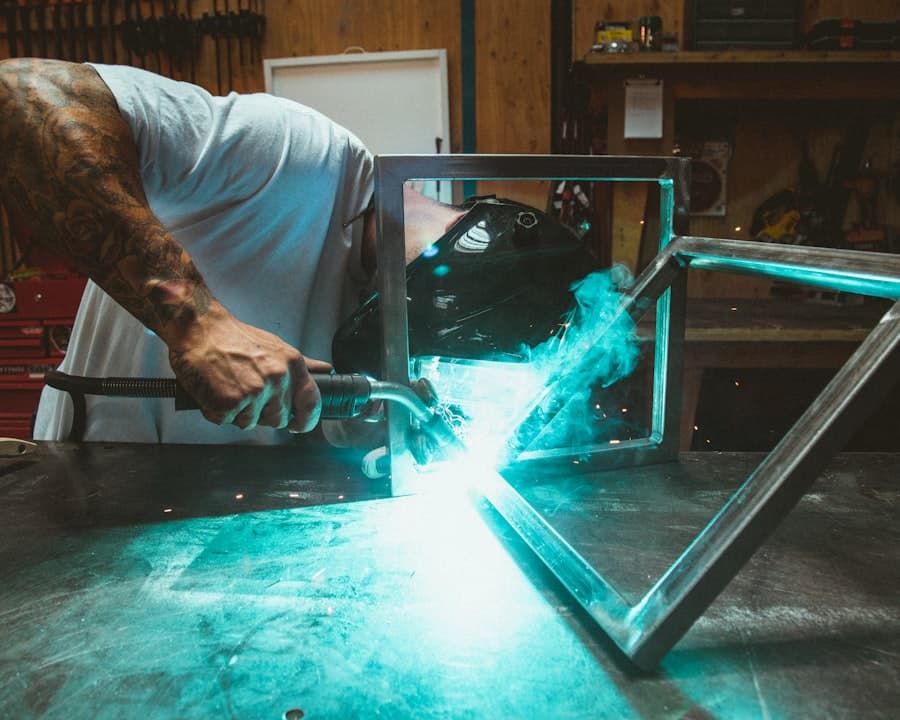
Before diving into any repair work, it’s essential to gather all the necessary tools and materials. Having everything on hand will streamline the process and minimize interruptions. Start by compiling a list of tools you’ll need for frame repair, which may include a hydraulic jack, jack stands, wrenches, and a frame straightening machine if you have access to one.
Additionally, you’ll want to have safety gear such as gloves and goggles to protect yourself during the repair process. In terms of materials, consider what you’ll need for reinforcing and finishing the frame. This may include metal plates for reinforcement, welding supplies if you plan to weld any sections, and paint or primer for finishing touches.
It’s also wise to have some rust treatment products on hand, as addressing any rust issues during your repair will help prolong the life of your vehicle’s frame. By gathering all these tools and materials ahead of time, you’ll set yourself up for a more efficient and effective repair process.
Preparing the Work Area
Creating a suitable work area is crucial for any auto body repair project. You’ll want to find a space that is well-lit and spacious enough to accommodate your vehicle and all your tools. Ideally, this area should be free from clutter and distractions, allowing you to focus entirely on the task at hand.
If possible, consider working in a garage or workshop where you can control the environment and protect your vehicle from the elements. Once you’ve selected your work area, take some time to organize your tools and materials. Having everything within reach will save you time and frustration as you work through each step of the repair process.
Additionally, ensure that your work area is equipped with proper ventilation if you plan on using any chemicals or paints during the finishing phase. A clean and organized workspace not only enhances efficiency but also promotes safety as you navigate through the repair process.
Straightening the Frame
With your work area prepared and tools at hand, it’s time to tackle the task of straightening the frame. This step is often one of the most challenging aspects of frame repair but is crucial for restoring your vehicle’s structural integrity. If you have access to a frame straightening machine, this will make the process significantly easier.
These machines apply controlled force to specific areas of the frame, allowing you to gradually return it to its original shape. If you don’t have access to specialized equipment, there are still methods you can employ to straighten minor bends. Using a hydraulic jack can help lift sections of the frame while applying pressure in the opposite direction of the bend.
However, be cautious during this process; applying too much force can lead to further damage or even create new issues. Take your time and make small adjustments until you achieve a straightened frame that aligns properly with factory specifications.
Reinforcing the Frame
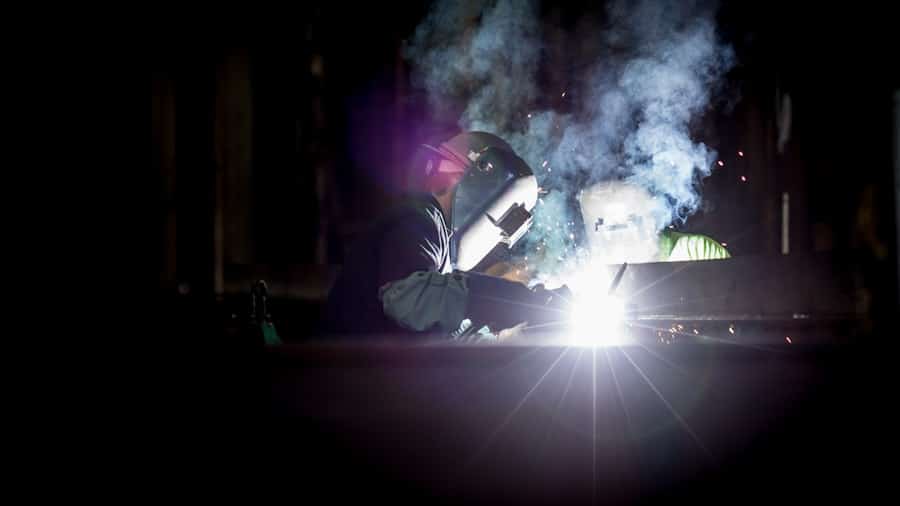
After successfully straightening the frame, it’s essential to reinforce any weakened areas to ensure long-term durability. This step is particularly important if you’ve had to make significant repairs or if there were pre-existing weaknesses in the frame material. Reinforcement can be achieved through various methods, including welding additional metal plates onto compromised sections or using specialized frame reinforcement kits designed for specific vehicle models.
When reinforcing the frame, pay close attention to areas that bear significant loads or stress during operation. These include suspension mounting points and areas near the engine or transmission. Properly reinforcing these sections will not only enhance structural integrity but also improve overall vehicle performance and safety.
As with any repair work, take your time during this phase; rushing through reinforcement can lead to inadequate repairs that may fail under stress.
Finishing and Painting
Once you’ve completed the structural repairs and reinforcements, it’s time to focus on finishing touches that will restore your vehicle’s appearance and protect it from future damage. Start by cleaning any surfaces where paint will be applied; this may involve sanding down rough edges or removing rust with appropriate treatments. A clean surface ensures better adhesion for paint and helps achieve a professional-looking finish.
When it comes to painting, consider using high-quality automotive paint designed for durability and resistance against environmental factors. Apply primer first if necessary, followed by multiple coats of paint for even coverage. Don’t forget about clear coat; this final layer adds an extra level of protection against scratches and UV damage while giving your vehicle a polished look.
Allow adequate drying time between coats and follow manufacturer instructions for best results.
Safety Precautions and Considerations
Throughout the entire process of assessing and repairing auto body frame damage, safety should always be your top priority. Begin by wearing appropriate personal protective equipment (PPE), including gloves, goggles, and a dust mask if necessary. These items will protect you from sharp metal edges, harmful chemicals, and dust generated during sanding or grinding.
Additionally, ensure that your work area is safe by keeping it well-ventilated and free from hazards such as spills or clutter that could lead to accidents. If you’re using heavy machinery or tools like hydraulic jacks, familiarize yourself with their operation before use to prevent injuries. Finally, don’t hesitate to seek assistance if you’re unsure about any aspect of the repair process; sometimes having an extra set of hands can make all the difference in ensuring both safety and success in your project.
By following these steps and maintaining a focus on safety throughout your auto body frame repair journey, you can restore your vehicle’s integrity while gaining valuable skills along the way. Whether you’re an experienced DIYer or just starting out, understanding each phase of this process will empower you to tackle frame damage with confidence.
If you’re interested in learning more about automotive refinishing, check out The Art of Waterborne Paints: A Revolution in Automotive Refinishing. This article explores the benefits and techniques of using waterborne paints in auto body repair. It’s a great resource for those looking to enhance the appearance of their vehicle while also being environmentally conscious.
FAQs
What is auto body frame repair?
Auto body frame repair is the process of restoring a vehicle’s structural integrity after it has been damaged in an accident or collision. This typically involves repairing or replacing damaged frame components to ensure the vehicle is safe to drive.
Can I do auto body frame repair myself?
Yes, it is possible to do DIY auto body frame repair, but it requires a certain level of skill and knowledge. It’s important to have the right tools and equipment, as well as a good understanding of the repair process.
What are the common tools needed for DIY auto body frame repair?
Common tools needed for DIY auto body frame repair include a frame straightening machine, hydraulic jack, welding equipment, cutting tools, and measuring instruments. It’s important to have the right tools to ensure the repair is done correctly and safely.
What are the steps involved in DIY auto body frame repair?
The steps involved in DIY auto body frame repair typically include assessing the damage, straightening the frame, replacing damaged components, and ensuring the vehicle’s alignment is correct. It’s important to follow a systematic approach to ensure the repair is done properly.
Are there any safety considerations for DIY auto body frame repair?
Yes, safety is a critical consideration for DIY auto body frame repair. It’s important to wear appropriate safety gear, such as gloves and eye protection, and to work in a well-ventilated area. Additionally, it’s important to follow proper procedures to avoid injury or further damage to the vehicle.