
As a car owner, you may find yourself facing a variety of issues that can arise unexpectedly. Understanding these common problems can help you identify symptoms early and potentially save you from costly repairs down the line. One of the most frequent issues is related to the battery.
If your car struggles to start or the lights seem dim, it could indicate a failing battery. Regularly checking the battery’s condition and ensuring that the terminals are clean can help you avoid being stranded. Another prevalent issue is with the brakes.
If you hear squeaking or grinding noises when you apply the brakes, it’s crucial to address this immediately. Ignoring brake problems can lead to more severe damage and compromise your safety on the road. Additionally, engine troubles can manifest in various ways, such as unusual noises, warning lights on the dashboard, or decreased performance.
Being aware of these signs allows you to take action before a minor issue escalates into a major repair.
- Understanding common car issues can help you identify and address problems early on, saving you time and money in the long run.
- Finding the right mechanic is crucial for getting quality and reliable car repairs. Look for certifications, experience, and customer reviews when choosing a mechanic.
- Communicating effectively with your mechanic is key to ensuring that your car issues are properly diagnosed and repaired. Be clear and detailed about your concerns and ask questions if needed.
- Budgeting for car repairs is important to avoid unexpected financial strain. Set aside a portion of your income for potential car maintenance and repairs.
- Regular maintenance is essential for preventing future car issues. Follow the manufacturer’s recommended maintenance schedule and address any minor issues promptly to avoid major repairs.
Finding the Right Mechanic
Seeking Recommendations and Research
Start by seeking recommendations from friends, family, or coworkers who have had positive experiences with local mechanics. Online reviews can also provide valuable insights into a shop’s reputation.
Qualifications and Expertise
Look for mechanics who are certified and have experience with your specific make and model, as this expertise can make a significant difference in the quality of service you receive.
Building a Relationship
Once you have a few options, consider visiting the shops in person. This allows you to gauge their professionalism and customer service firsthand. A good mechanic should be willing to answer your questions and explain repairs in a way that you can understand. Trust your instincts; if something feels off or if the mechanic seems dismissive, it may be best to continue your search. Building a relationship with a reliable mechanic can lead to better service and peace of mind regarding your vehicle’s maintenance.
Communicating Effectively with Your Mechanic
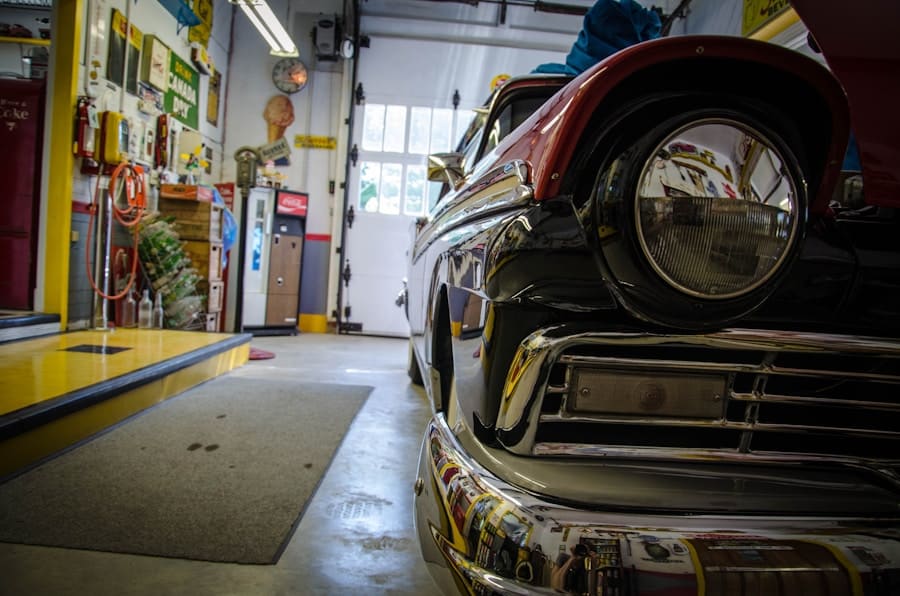
Effective communication with your mechanic is vital for ensuring that your car receives the appropriate care it needs. When discussing issues with your vehicle, be as detailed as possible about the symptoms you’ve noticed. For instance, instead of simply saying your car makes a noise, describe when it occurs, what it sounds like, and any other relevant details.
This information can help the mechanic diagnose the problem more accurately and efficiently. Additionally, don’t hesitate to ask questions about the repairs being suggested. A reputable mechanic will appreciate your curiosity and should be willing to explain why certain repairs are necessary and how they will benefit your vehicle in the long run.
If you’re unsure about any terminology or processes, ask for clarification. Understanding what’s happening with your car not only empowers you as a car owner but also fosters a collaborative relationship with your mechanic.
Budgeting for Car Repairs
Budgeting for car repairs is an essential aspect of responsible vehicle ownership. Unexpected repairs can strain your finances, so it’s wise to set aside a dedicated fund for maintenance and emergencies. Start by estimating how much you might need based on your car’s age, mileage, and common issues associated with its make and model.
Researching average repair costs for specific services can also help you create a realistic budget. In addition to setting aside funds for repairs, consider investing in an extended warranty or service plan if available for your vehicle. These plans can cover certain repairs and provide peace of mind against unexpected expenses.
However, be sure to read the fine print and understand what is covered and what isn’t. By planning ahead and being financially prepared, you can navigate car repairs without undue stress.
Regular Maintenance to Prevent Future Issues
Regular maintenance is key to preventing future car issues and extending the life of your vehicle. Following the manufacturer’s recommended maintenance schedule is crucial; this typically includes oil changes, tire rotations, brake inspections, and fluid checks. Staying on top of these services can help catch potential problems before they escalate into costly repairs.
In addition to scheduled maintenance, pay attention to your driving habits. Gentle acceleration and braking can reduce wear on various components, while regular cleaning of your vehicle can prevent rust and corrosion. Keeping an eye on tire pressure and tread depth not only enhances safety but also improves fuel efficiency.
By adopting proactive maintenance practices, you can significantly reduce the likelihood of unexpected breakdowns.
Evaluating Repair Options

Get Multiple Quotes
Start by obtaining multiple quotes from different mechanics for the same repair work. This will give you a clearer picture of what constitutes a fair price and help you avoid overpaying.
Consider More Than Just Price
However, don’t just choose the cheapest option; consider the reputation of the shop and the quality of service they provide. Additionally, inquire about alternative repair solutions that may be available. Sometimes, there are less expensive fixes that can address the issue without compromising safety or performance.
Make an Informed Decision
A good mechanic will discuss these options with you openly and help you make an informed decision based on your budget and needs. Weighing all available options ensures that you choose the best path forward for both your vehicle and your wallet.
Understanding Warranties and Guarantees
Understanding warranties and guarantees associated with car repairs is crucial for protecting yourself as a consumer. Most reputable repair shops offer some form of warranty on their work, which typically covers parts and labor for a specified period after the repair is completed. Familiarize yourself with these terms before agreeing to any work; knowing what is covered can save you money if issues arise shortly after repairs.
Additionally, if your vehicle is still under warranty from the manufacturer, be aware of how this affects your repair options. Some warranties require that repairs be performed at authorized dealerships to remain valid. Always read through warranty documents carefully to understand any limitations or requirements that may apply.
Being informed about warranties ensures that you make decisions that align with your rights as a consumer.
Tips for a Smooth Repair Process
To ensure a smooth repair process, there are several tips you can follow that will make your experience more efficient and less stressful. First, schedule appointments during times when the shop is less busy; this often leads to quicker service and more personalized attention from mechanics. Arriving early can also give you time to discuss any concerns without feeling rushed.
Another helpful tip is to keep detailed records of all maintenance and repairs performed on your vehicle. This documentation not only helps mechanics understand your car’s history but also serves as proof of regular upkeep if any warranty issues arise later on. Finally, maintain open lines of communication throughout the repair process; don’t hesitate to check in for updates or ask questions if something seems unclear.
By being proactive and organized, you can navigate car repairs with confidence and ease. In conclusion, understanding common car issues, finding the right mechanic, communicating effectively, budgeting wisely, maintaining regular upkeep, evaluating repair options, comprehending warranties, and following tips for a smooth process are all integral parts of responsible car ownership. By taking these steps seriously, you empower yourself as a driver while ensuring that your vehicle remains safe and reliable on the road for years to come.
If you’re interested in protecting your investment in your car, you may want to check out this article on collision avoidance technology innovations. This technology can help prevent accidents and keep your car in top condition. It’s just one of the many ways you can ensure your vehicle stays in great shape, along with regular maintenance and repairs like those outlined in “From Clunks to Purrs: A Roadmap to Smooth Car Repairs.”
FAQs
What are common car repair issues that can cause clunking noises?
Some common car repair issues that can cause clunking noises include worn-out suspension components, damaged steering system parts, and loose or broken engine mounts.
How can I identify the source of a clunking noise in my car?
To identify the source of a clunking noise in your car, you can start by checking the suspension components, steering system, and engine mounts for any signs of wear or damage. It’s also helpful to pay attention to when the clunking noise occurs, such as when turning, braking, or accelerating.
What are some tips for finding a reliable car repair shop?
Some tips for finding a reliable car repair shop include asking for recommendations from friends and family, checking online reviews, verifying the shop’s certifications and qualifications, and getting multiple quotes for the repair work.
How can I ensure a smooth car repair process?
To ensure a smooth car repair process, it’s important to communicate clearly with the repair shop about the issues you’re experiencing with your car and to ask for a detailed estimate of the repair costs. It’s also helpful to stay informed about the repair progress and to ask for any old parts that were replaced.
What are some preventive maintenance measures to avoid future car repair issues?
Some preventive maintenance measures to avoid future car repair issues include regularly checking and replacing worn-out suspension and steering components, getting regular oil changes and tune-ups, and addressing any unusual noises or vibrations in the car promptly.





