
When we think about our vehicles, we often take for granted the smooth operation of their components. However, strange noises can serve as a significant warning sign that something is amiss. These sounds can range from subtle clicks and clunks to more alarming grinding or whining.
Each noise can indicate a different issue, and it’s crucial for us to pay attention to them. For instance, if we hear a high-pitched whine when accelerating, it could suggest a problem with the transmission or even the power steering system. On the other hand, a clunking noise when shifting gears might point to issues with the drivetrain or suspension.
Ignoring these strange noises can lead to more severe problems down the line. We should remember that our vehicles communicate with us through these sounds, and it’s our responsibility to listen. If we find ourselves hearing unusual noises, it’s wise to consult a mechanic who can diagnose the issue accurately.
By addressing these concerns early on, we can save ourselves from costly repairs and ensure our vehicle remains in optimal condition.
- Strange noises such as whining, clunking, or humming could indicate transmission problems and should be checked by a professional.
- Delayed or slipping gear changes may be a sign of low transmission fluid or a more serious issue that needs immediate attention.
- Leaking transmission fluid, often red or brown in color, can indicate a problem with the transmission and should be addressed promptly.
- A burning smell coming from the transmission could be a sign of overheating or fluid leakage and should be investigated by a mechanic.
- Dashboard warning lights such as the check engine light or transmission temperature warning should not be ignored and require professional diagnosis and repair.
Delayed or Slipping Gear Changes
Experiencing delayed or slipping gear changes can be one of the most frustrating aspects of driving. When we press the accelerator, we expect our vehicle to respond promptly and smoothly. However, if we notice that our car hesitates before shifting gears or feels like it’s slipping out of gear, it’s a clear indication that something is wrong.
This issue can stem from various factors, including low transmission fluid levels, worn-out clutch components, or even a malfunctioning transmission control module. The implications of delayed or slipping gear changes extend beyond mere inconvenience; they can also compromise our safety on the road. If our vehicle fails to shift properly while merging onto a highway or navigating through traffic, we could find ourselves in precarious situations.
Therefore, it’s essential for us to address these symptoms immediately. Regular maintenance checks and fluid inspections can help us catch these issues early, ensuring that our driving experience remains safe and enjoyable.
Leaking Fluid
Fluid leaks are another critical sign that our vehicle may be in distress. When we notice puddles forming beneath our cars, it’s essential to identify the type of fluid leaking and its potential implications. Different fluids serve various functions within our vehicles; for instance, red fluid typically indicates a transmission leak, while green or orange fluid may suggest coolant issues.
Each type of leak can lead to significant problems if left unaddressed. We should not underestimate the importance of addressing fluid leaks promptly. A small transmission leak can escalate into a major repair if we allow it to persist.
Additionally, coolant leaks can lead to overheating, which can cause severe engine damage. By regularly inspecting our vehicles for leaks and addressing them as soon as they are detected, we can maintain the health of our cars and avoid costly repairs down the line.
Burning Smell
A burning smell emanating from our vehicle is never a good sign and should be taken seriously. This odor can arise from various sources, including overheated brakes, burning oil, or even electrical issues. When we detect a burning smell while driving, it’s crucial for us to pull over safely and investigate the source of the odor.
Ignoring this warning could lead to catastrophic failures or even fires in extreme cases. In many instances, a burning smell may indicate that our brakes are overheating due to excessive friction or wear. If we’ve been driving in stop-and-go traffic or have been using our brakes heavily, this could be the culprit.
Alternatively, if we notice a burning oil smell, it could suggest an oil leak or that oil is coming into contact with hot engine components. Regardless of the source, we must prioritize addressing any burning smells immediately to ensure our safety and the longevity of our vehicle.
Dashboard Warning Lights
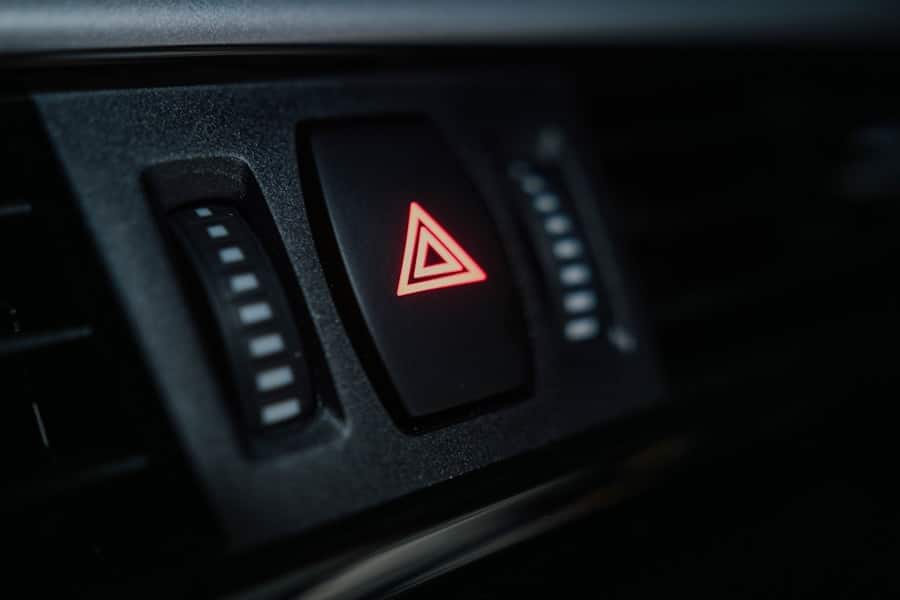
Modern vehicles are equipped with sophisticated diagnostic systems that alert us to potential issues through dashboard warning lights. When one of these lights illuminates, it serves as a signal that we need to take action. Common warning lights include those for low oil pressure, battery issues, and transmission problems.
Each light corresponds to specific systems within our vehicle and should not be ignored. When we see a warning light on our dashboard, it’s essential for us to consult our owner’s manual to understand its meaning fully. Some lights may indicate minor issues that can be resolved with routine maintenance, while others may signal more severe problems requiring immediate attention.
By staying vigilant and addressing dashboard warning lights promptly, we can prevent minor issues from escalating into major repairs and ensure that our vehicle remains safe and reliable.
Difficulty in Shifting Gears
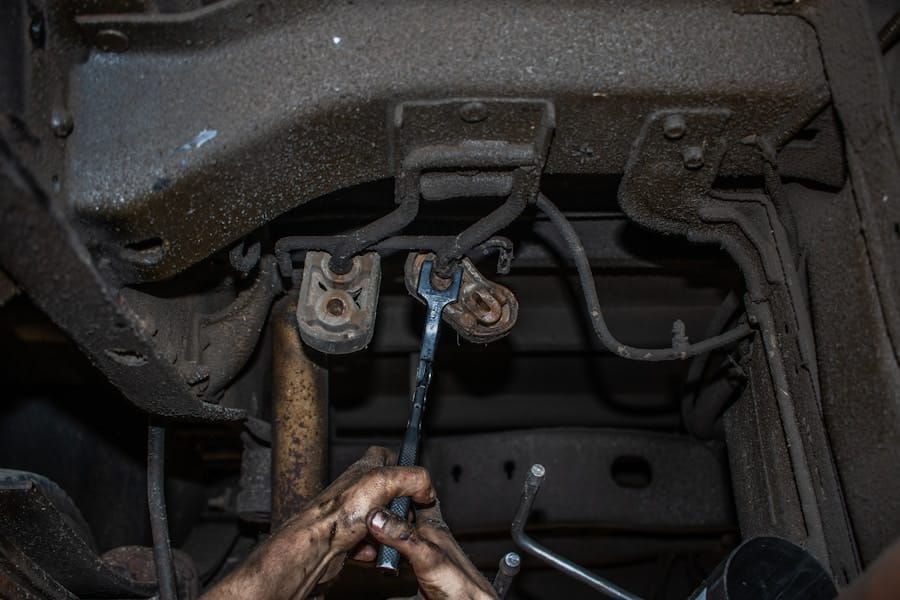
Difficulty in shifting gears is another symptom that should raise red flags for us as drivers. Whether we’re driving a manual or automatic transmission vehicle, experiencing resistance when trying to change gears can indicate underlying problems. In manual vehicles, this could be due to a worn clutch or issues with the gear linkage.
In automatic vehicles, it might suggest low transmission fluid levels or internal component failures. This difficulty can significantly impact our driving experience and safety. If we struggle to shift gears while driving in traffic or during critical maneuvers like merging onto highways, we could find ourselves in dangerous situations.
Therefore, it’s crucial for us to address any shifting difficulties as soon as they arise. Regular maintenance checks and fluid inspections can help us identify potential issues before they become serious problems.
Grinding or Shaking Sensations
Experiencing grinding or shaking sensations while driving is another alarming sign that something may be wrong with our vehicle. These sensations can manifest during acceleration or when shifting gears and often indicate issues with the transmission or drivetrain components. For instance, grinding noises when shifting gears may suggest that the clutch is worn out or that there are problems with the synchronizers in a manual transmission.
Shaking sensations can also be indicative of wheel alignment issues or problems with the suspension system. Regardless of the source, these sensations should not be ignored as they can lead to further complications if left unaddressed. We should take note of when these sensations occur and seek professional assistance to diagnose and resolve the underlying issues promptly.
Overheating
Overheating is one of the most critical issues we can encounter while driving. When our vehicle’s temperature gauge rises above normal levels, it signals that something is wrong with the cooling system. Overheating can result from various factors such as low coolant levels, a malfunctioning thermostat, or even a failing water pump.
If we allow our vehicle to overheat without taking action, we risk severe engine damage that could lead to costly repairs. When we notice signs of overheating—such as steam rising from under the hood or an illuminated temperature warning light—it’s essential for us to pull over immediately and turn off the engine. Continuing to drive an overheating vehicle can lead to catastrophic engine failure.
By regularly checking coolant levels and ensuring that our cooling system is functioning correctly, we can prevent overheating incidents and keep our vehicles running smoothly for years to come. In conclusion, being aware of these warning signs is crucial for maintaining the health of our vehicles and ensuring our safety on the road. By paying attention to strange noises, delayed gear changes, fluid leaks, burning smells, dashboard warning lights, shifting difficulties, grinding sensations, and overheating issues, we can take proactive steps to address potential problems before they escalate into major repairs.
Regular maintenance and prompt attention to these symptoms will not only enhance our driving experience but also extend the lifespan of our vehicles.
If you are concerned about the health of your vehicle’s transmission, you may also want to read the article “About Auto Body Repair HQ” to learn more about the importance of regular maintenance and repairs. Understanding the role of auto professionals in keeping your car running smoothly can help you build trust and solid connections for future repairs, as discussed in the article “Fostering Trust with Auto Professionals: Building Solid Connections for Car Repairs”. Additionally, learning about the use of mastics and sealants in auto body repair, as outlined in the article “The Use of Mastics and Sealants in Auto Body Repair: Protecting Your Car from the Elements”, can help you better protect your vehicle from potential damage.
FAQs
What are the warning signs that my transmission may be failing?
Some common warning signs of a failing transmission include slipping gears, delayed or rough shifting, strange noises such as whining or clunking, leaking fluid, and a burning smell.
Can a transmission failure be prevented?
While some transmission failures are inevitable due to wear and tear, regular maintenance such as fluid checks and changes, and addressing any warning signs promptly can help prevent some transmission issues.
How often should I have my transmission checked?
It is recommended to have your transmission checked as part of your regular vehicle maintenance schedule, typically every 30,000 to 60,000 miles, or as recommended by your vehicle’s manufacturer.
What should I do if I notice warning signs of a failing transmission?
If you notice any warning signs of a failing transmission, it is important to have your vehicle inspected by a qualified mechanic as soon as possible to diagnose and address the issue before it becomes more serious and costly.





