As we navigate the world of automobiles, we often encounter vehicles that have seen better days but still possess a wealth of potential. High-mileage vehicles, typically defined as those with over 100,000 miles on the odometer, can be a treasure trove for savvy car enthusiasts and budget-conscious drivers alike. These vehicles often come with a lower price tag, making them an attractive option for those looking to save money while still enjoying the benefits of car ownership.
However, the journey with a high-mileage vehicle is not without its challenges. Understanding the nuances of these cars is essential for ensuring their longevity and reliability. When we consider high-mileage vehicles, we must acknowledge the unique characteristics that come with age and wear.
While many of these cars may have been well-maintained by previous owners, others may show signs of neglect or require more frequent repairs. As we delve deeper into the world of high-mileage vehicles, we will explore common repairs, essential maintenance tasks, and specific areas that require our attention to keep these cars running smoothly. By arming ourselves with knowledge and proactive strategies, we can extend the life of our high-mileage vehicles and enjoy the journey ahead.
- High-mileage vehicles are those that have accumulated a high number of miles, typically over 100,000 miles.
- Common repairs for high-mileage vehicles include issues with the engine, transmission, suspension, and steering components.
- Maintenance tasks for high-mileage vehicles include regular oil changes, tire rotations, and brake inspections.
- Engine and transmission maintenance for high-mileage vehicles should include regular fluid changes and inspections for leaks or wear.
- Suspension and steering maintenance for high-mileage vehicles should include regular inspections for worn or damaged components, as well as alignment checks.
Common Repairs for High-mileage Vehicles
As we embark on our journey with high-mileage vehicles, we quickly discover that certain repairs tend to be more common than others. One of the most frequent issues we encounter is related to the vehicle’s suspension system. Over time, components such as struts, shocks, and bushings can wear out, leading to a bumpy ride and decreased handling performance.
Addressing these issues promptly not only enhances our driving experience but also prevents further damage to other parts of the vehicle. Another common repair we may face involves the braking system. High-mileage vehicles often require new brake pads and rotors due to wear and tear from countless stops and starts.
As we drive our vehicles, we should remain vigilant for signs of brake wear, such as squeaking or grinding noises, which can indicate that it’s time for a replacement. By staying ahead of these repairs, we can ensure our safety on the road while also preserving the integrity of our high-mileage vehicle.
Maintenance Tasks for High-mileage Vehicles

To keep our high-mileage vehicles in optimal condition, we must prioritize regular maintenance tasks that address both minor and major concerns. One of the most critical aspects of vehicle maintenance is changing the oil and oil filter at recommended intervals. As engines age, they can accumulate sludge and debris that can hinder performance.
By adhering to a consistent oil change schedule, we can help our engines run smoothly and efficiently. In addition to oil changes, we should also pay attention to other vital fluids in our vehicles. Regularly checking and replacing coolant, transmission fluid, and brake fluid is essential for maintaining overall vehicle health.
These fluids play crucial roles in regulating temperature, ensuring smooth gear shifts, and providing effective braking power. By incorporating these maintenance tasks into our routine, we can significantly extend the lifespan of our high-mileage vehicles.
Engine and Transmission Maintenance for High-mileage Vehicles
When it comes to high-mileage vehicles, engine and transmission maintenance takes center stage in our efforts to ensure longevity. As engines age, they may develop leaks or experience decreased performance due to worn components. Regularly inspecting hoses, belts, and gaskets allows us to catch potential issues before they escalate into costly repairs.
Additionally, keeping an eye on engine performance indicators such as fuel efficiency and unusual noises can provide valuable insights into the health of our engines. Transmission maintenance is equally important for high-mileage vehicles. Over time, transmission fluid can become contaminated or lose its effectiveness, leading to shifting problems or even transmission failure.
We should make it a habit to check the transmission fluid level regularly and replace it according to the manufacturer’s recommendations. By taking these proactive steps, we can help ensure that our high-mileage vehicles continue to perform at their best for years to come.
Suspension and Steering Maintenance for High-mileage Vehicles
The suspension and steering systems are vital components that contribute to our overall driving experience. As we drive our high-mileage vehicles, we may notice changes in handling or ride comfort that signal the need for maintenance. Worn-out components such as ball joints, tie rods, and control arms can lead to poor alignment and uneven tire wear.
By addressing these issues promptly, we not only improve our driving experience but also enhance safety on the road. Regular inspections of the suspension system are essential for identifying potential problems early on. We should pay attention to any unusual noises or vibrations while driving, as these can indicate worn components that require replacement.
Additionally, ensuring that our tires are properly inflated and rotated regularly can help prolong the life of both our tires and suspension system. By taking these steps, we can maintain optimal handling and ride quality in our high-mileage vehicles.
Electrical System Maintenance for High-mileage Vehicles
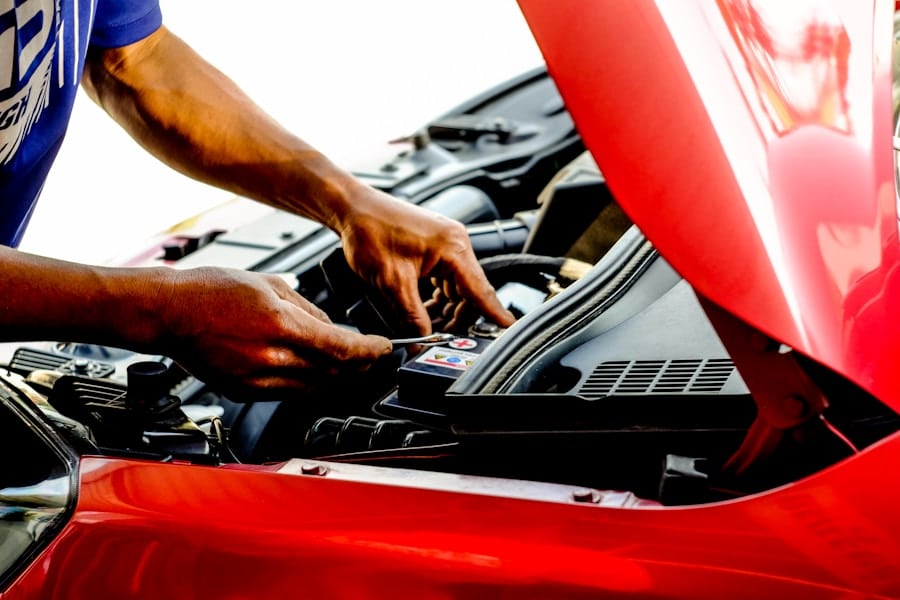
As we delve into the electrical systems of our high-mileage vehicles, we quickly realize that they play a crucial role in overall functionality. From headlights to power windows, a well-functioning electrical system is essential for a comfortable driving experience. However, as vehicles age, electrical components may begin to fail or exhibit erratic behavior.
Regularly checking fuses, wiring connections, and battery health can help us identify potential issues before they become major headaches. One common electrical issue in high-mileage vehicles is battery failure. Over time, batteries lose their ability to hold a charge effectively.
We should make it a point to test our battery regularly and replace it when necessary to avoid being stranded with a dead vehicle. Additionally, keeping an eye on warning lights on the dashboard can provide valuable insights into potential electrical problems that may require further investigation.
Fluid Changes and Checks for High-mileage Vehicles
Fluid changes are a cornerstone of maintaining high-mileage vehicles in good working order. As we drive our cars over time, various fluids can become contaminated or break down due to heat and friction. Regularly checking and changing fluids such as engine oil, coolant, transmission fluid, brake fluid, and power steering fluid is essential for ensuring optimal performance.
We should also be mindful of fluid leaks that may develop as our vehicles age. Spotting puddles or stains under our cars can indicate a problem that needs immediate attention. By addressing these leaks promptly and performing regular fluid checks, we can prevent more significant issues down the line and keep our high-mileage vehicles running smoothly.
Conclusion and Tips for Maintaining High-mileage Vehicles
In conclusion, owning a high-mileage vehicle can be a rewarding experience if approached with care and diligence. By understanding common repairs and maintenance tasks specific to these vehicles, we can take proactive steps to ensure their longevity and reliability. Regular inspections of key components such as the engine, transmission, suspension, steering, electrical systems, and fluids are essential for keeping our cars in optimal condition.
As we embark on this journey with our high-mileage vehicles, let us remember a few key tips: stay organized with maintenance schedules, keep detailed records of repairs and services performed, and don’t hesitate to seek professional help when needed. By adopting a proactive mindset towards maintenance and repairs, we can enjoy many more miles on the road with our trusted high-mileage companions.
Are There Specific Repairs or Maintenance Tasks Associated with High-mileage Vehicles? explores the unique challenges that come with owning a high-mileage vehicle and the importance of regular maintenance. For more information on understanding your coverage when it comes to auto body repair, check out The Role of Insurance in Auto Body Repair: Understanding Your Coverage. This article delves into the role of insurance in the repair process and how to navigate your coverage effectively.
FAQs
What are high-mileage vehicles?
High-mileage vehicles are cars that have been driven for a significant number of miles, typically over 100,000 miles. These vehicles have experienced more wear and tear compared to low-mileage vehicles.
Are there specific repairs associated with high-mileage vehicles?
High-mileage vehicles may require specific repairs due to the wear and tear on various components such as the engine, transmission, suspension, and brakes. Common repairs for high-mileage vehicles may include replacing worn-out parts, addressing oil leaks, and addressing engine and transmission issues.
What maintenance tasks are associated with high-mileage vehicles?
High-mileage vehicles may require more frequent maintenance tasks such as oil changes, fluid checks, and tire rotations to ensure the vehicle continues to operate efficiently. Additionally, regular inspections of the vehicle’s components, including the belts, hoses, and suspension, are important to address any potential issues before they become major problems.
How can I prolong the life of a high-mileage vehicle?
To prolong the life of a high-mileage vehicle, it is important to adhere to the manufacturer’s recommended maintenance schedule, address any issues promptly, and use high-quality parts and fluids. Regularly servicing the vehicle and driving it with care can also help extend its lifespan.