
As you navigate the ever-evolving landscape of technology, one area that has seen remarkable advancements is the auto body repair industry. Artificial Intelligence (AI) is at the forefront of this transformation, revolutionizing how repairs are conducted and enhancing the overall efficiency of the process. The integration of AI into auto body repair is not merely a trend; it represents a significant shift in how technicians approach their work, enabling them to deliver higher quality results in less time.
By harnessing the power of AI, you can expect a future where repairs are not only faster but also more precise and reliable. The introduction of AI into auto body repair is akin to adding a new tool to a craftsman’s toolkit. It empowers technicians with data-driven insights, predictive analytics, and automated processes that streamline operations.
As you delve deeper into this topic, you will discover how AI is reshaping the industry, from initial assessments to final touches. The potential for improved customer satisfaction and reduced operational costs makes this technology an essential consideration for any auto body repair shop looking to stay competitive in a rapidly changing market.
- Introduction to Artificial Intelligence in Auto Body Repair:
- Artificial intelligence (AI) is revolutionizing the auto body repair industry by automating processes and improving accuracy and efficiency.
- The Role of Artificial Intelligence in Streamlining Auto Body Repair Processes:
- AI plays a crucial role in streamlining auto body repair processes by automating tasks such as damage assessment, estimating repair costs, and scheduling repairs.
- Benefits of Implementing Artificial Intelligence in Auto Body Repair:
- Implementing AI in auto body repair leads to increased efficiency, reduced turnaround times, improved accuracy in damage assessment, and enhanced customer satisfaction.
- How Artificial Intelligence Can Improve Accuracy and Precision in Auto Body Repair:
- AI improves accuracy and precision in auto body repair by analyzing large amounts of data to identify and predict potential issues, ensuring high-quality repairs.
- The Future of Auto Body Repair: Integrating Artificial Intelligence for Enhanced Efficiency:
- The future of auto body repair lies in integrating AI for enhanced efficiency, including predictive maintenance, real-time monitoring, and automated repair processes.
- Challenges and Limitations of Implementing Artificial Intelligence in Auto Body Repair:
- Challenges of implementing AI in auto body repair include initial investment costs, integration with existing systems, and the need for skilled technicians to operate AI tools effectively.
- Case Studies: Successful Implementation of Artificial Intelligence in Auto Body Repair Shops:
- Several auto body repair shops have successfully implemented AI to streamline processes, reduce repair times, and improve overall operational efficiency.
- Conclusion: The Impact of Artificial Intelligence on the Auto Body Repair Industry:
- AI has a significant impact on the auto body repair industry, leading to improved efficiency, accuracy, and customer satisfaction, ultimately shaping the future of the industry.
The Role of Artificial Intelligence in Streamlining Auto Body Repair Processes
Accurate Damage Assessment
One of the primary applications of AI in auto body repair is in the assessment of vehicle damage. Advanced imaging technologies combined with machine learning algorithms enable quick and accurate evaluations of the extent of damage. This means that technicians can receive immediate feedback on what repairs are necessary, allowing them to prioritize tasks effectively and reduce downtime.
Intelligent Inventory Management
AI can also assist in inventory management by predicting which parts are likely to be needed based on historical data and current trends. This predictive capability ensures that technicians have the right parts on hand when they need them, minimizing delays caused by waiting for shipments.
Enhanced Workflow and Productivity
By automating these processes, AI not only saves time but also enhances the overall workflow within the shop. As technicians embrace these technologies, they will find that their ability to manage multiple projects simultaneously improves, leading to increased productivity and profitability.
Benefits of Implementing Artificial Intelligence in Auto Body Repair
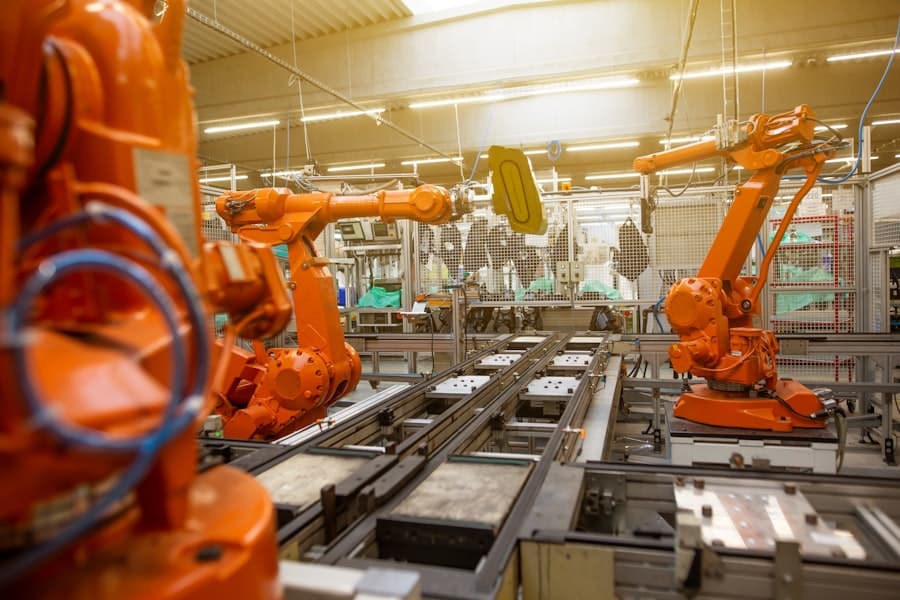
The benefits of implementing AI in auto body repair extend beyond mere efficiency; they encompass a wide range of advantages that can transform your business model. One significant benefit is cost reduction. By automating routine tasks and improving accuracy in damage assessments, AI helps minimize labor costs and reduces the likelihood of costly mistakes.
This financial advantage can be crucial for small to medium-sized shops looking to maximize their profit margins while maintaining high-quality service. Additionally, customer satisfaction is likely to see a marked improvement with the integration of AI technologies. Faster turnaround times and more accurate estimates mean that customers can expect their vehicles to be repaired promptly and correctly.
As you enhance your service offerings through AI, you will likely notice an increase in repeat business and referrals, as satisfied customers share their positive experiences with others. In an industry where reputation is everything, leveraging AI can set you apart from competitors who may still rely on traditional methods.
How Artificial Intelligence Can Improve Accuracy and Precision in Auto Body Repair
When it comes to auto body repair, accuracy and precision are paramount. You understand that even minor errors can lead to significant issues down the line, affecting both safety and aesthetics. AI plays a crucial role in enhancing these aspects by utilizing advanced algorithms that analyze data from various sources.
For instance, machine learning models can be trained on thousands of repair cases, allowing them to identify patterns and predict outcomes with remarkable accuracy. Furthermore, AI-driven tools can assist technicians in making informed decisions during the repair process. By providing real-time data on best practices and potential pitfalls based on previous repairs, these tools help ensure that every step taken is backed by solid evidence.
As you incorporate these technologies into your workflow, you will find that your confidence in executing repairs increases, leading to higher quality outcomes and greater customer trust.
The Future of Auto Body Repair: Integrating Artificial Intelligence for Enhanced Efficiency
Looking ahead, the future of auto body repair appears bright with the continued integration of AI technologies. As you consider the possibilities, envision a shop where AI not only assists with repairs but also enhances customer interactions through personalized service offerings. Imagine chatbots capable of answering customer inquiries 24/7 or virtual assistants that guide clients through the repair process, providing updates and answering questions in real-time.
Moreover, as AI continues to evolve, its capabilities will expand further into predictive maintenance and proactive service recommendations. This means that rather than waiting for a vehicle to require repairs, you could be alerted to potential issues before they become significant problems. Such advancements would not only improve customer satisfaction but also foster long-term relationships built on trust and reliability.
As you prepare for this future, embracing AI will be essential for staying ahead in an increasingly competitive landscape.
Challenges and Limitations of Implementing Artificial Intelligence in Auto Body Repair
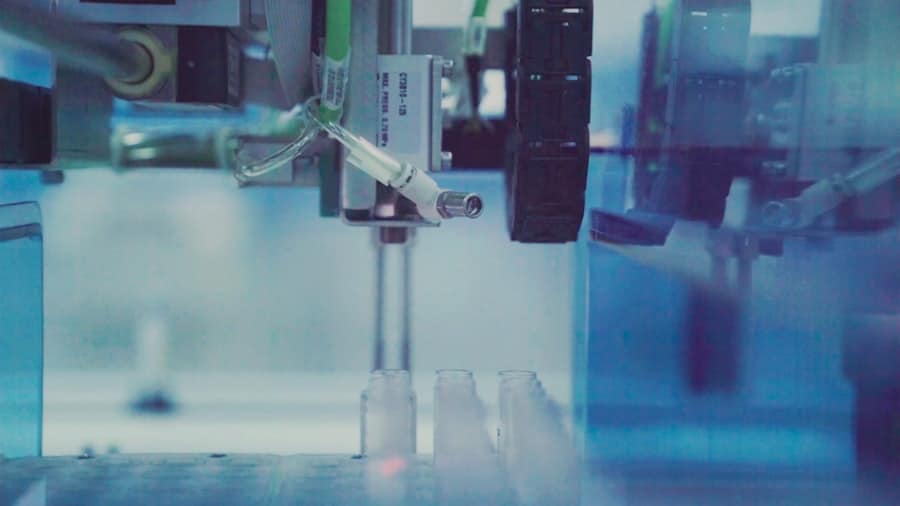
Despite the numerous advantages that AI brings to auto body repair, it is essential to acknowledge the challenges and limitations associated with its implementation. One significant hurdle is the initial investment required for adopting these technologies. As a shop owner or technician, you may find it daunting to allocate funds toward new software or equipment when traditional methods have served you well for years.
However, it’s crucial to view this investment as a long-term strategy that can yield substantial returns over time. Another challenge lies in the need for training and adaptation among staff members. Transitioning from conventional practices to AI-driven processes may require a cultural shift within your shop.
You may encounter resistance from employees who are accustomed to traditional methods or who may feel overwhelmed by new technologies. To overcome this barrier, investing in comprehensive training programs will be vital. By fostering an environment where continuous learning is encouraged, you can ensure that your team feels empowered and equipped to leverage AI effectively.
Case Studies: Successful Implementation of Artificial Intelligence in Auto Body Repair Shops
To illustrate the transformative impact of AI in auto body repair, consider examining case studies from shops that have successfully integrated these technologies into their operations. For instance, one prominent auto body shop implemented an AI-driven damage assessment tool that significantly reduced the time taken for initial evaluations. By utilizing advanced imaging techniques combined with machine learning algorithms, they were able to provide accurate estimates within minutes rather than hours.
This not only improved workflow efficiency but also enhanced customer satisfaction as clients received timely updates on their vehicle status. Another case study highlights a shop that adopted an AI-powered inventory management system. By analyzing historical data and predicting future part needs, they were able to maintain optimal stock levels without over-investing in inventory.
This strategic approach led to reduced costs and improved turnaround times for repairs. As you reflect on these examples, consider how similar strategies could be applied within your own operations to drive efficiency and enhance service quality.
The Impact of Artificial Intelligence on the Auto Body Repair Industry
In conclusion, the impact of artificial intelligence on the auto body repair industry is profound and far-reaching. As you have explored throughout this article, AI offers numerous benefits ranging from streamlined processes and improved accuracy to enhanced customer satisfaction and cost savings. While challenges exist in terms of implementation and adaptation, the long-term advantages far outweigh these obstacles.
As you look toward the future of auto body repair, embracing AI technologies will be essential for staying competitive in an ever-evolving market. By investing in these innovations and fostering a culture of continuous learning within your team, you can position your shop for success in a landscape increasingly defined by technological advancements. The journey may require effort and investment upfront, but the rewards—greater efficiency, improved quality, and heightened customer loyalty—will undoubtedly make it worthwhile as you navigate this exciting new era in auto body repair.
If you’re interested in learning more about the importance of pre-inspection in auto body repair, check out this article. Pre-inspection is crucial in identifying hidden damages and ensuring a thorough repair process. By automating certain aspects of the repair process with Artificial Intelligence, efficiency can be greatly improved, ultimately leading to better outcomes for both the repair shop and the vehicle owner.
FAQs
What is artificial intelligence in auto body repair?
Artificial intelligence in auto body repair refers to the use of advanced technology and algorithms to automate and streamline the repair process. This can include tasks such as damage assessment, estimating repair costs, and even performing some repair work.
How does artificial intelligence improve efficiency in auto body repair?
Artificial intelligence can improve efficiency in auto body repair by automating time-consuming tasks, accurately assessing damage, and providing precise repair estimates. This can help reduce the time it takes to complete repairs and improve overall workflow in the repair shop.
What are some examples of artificial intelligence in auto body repair?
Examples of artificial intelligence in auto body repair include computer vision systems that can assess vehicle damage, machine learning algorithms that can predict repair costs, and robotic systems that can perform certain repair tasks with precision.
What are the benefits of using artificial intelligence in auto body repair?
The benefits of using artificial intelligence in auto body repair include improved accuracy in damage assessment, faster repair estimates, reduced human error, and overall increased efficiency in the repair process. This can ultimately lead to cost savings and improved customer satisfaction.
Are there any limitations or challenges with using artificial intelligence in auto body repair?
Some limitations and challenges with using artificial intelligence in auto body repair include the initial cost of implementing the technology, the need for ongoing maintenance and updates, and the potential resistance from technicians who may be concerned about job displacement. Additionally, AI systems may not be able to handle all types of repair work and may still require human oversight.





