
Chrome bumpers have long been a hallmark of automotive design, adding both aesthetic appeal and functional protection to vehicles. You may find yourself drawn to the gleaming finish and classic look that chrome provides, evoking a sense of nostalgia for the golden age of automobiles. These bumpers not only enhance the visual allure of a car but also serve as a barrier against minor impacts, safeguarding the vehicle’s bodywork.
However, over time, exposure to the elements can lead to wear and tear, resulting in rust, corrosion, and dullness that detracts from their original beauty. As you delve deeper into the world of chrome bumpers, it becomes clear that understanding their composition and the factors that contribute to their deterioration is essential. Chrome plating is typically applied over a layer of nickel, which provides a protective barrier against rust.
However, when this protective layer is compromised, moisture can seep in, leading to corrosion. Recognizing the signs of damage early on can help you take proactive measures to restore your chrome bumpers to their former glory. Whether you are a car enthusiast looking to maintain a classic vehicle or simply want to enhance the appearance of your daily driver, knowing how to care for chrome bumpers is invaluable.
- Chrome bumpers are a popular choice for classic cars and can be restored to their original shine with the right tools and techniques.
- Tools and materials needed for restoration include chrome cleaner, sandpaper, rust remover, polishing compound, and a buffer.
- Preparing the chrome surface involves cleaning it thoroughly and removing any old paint or debris.
- Removing rust and corrosion can be done using a rust remover and sandpaper to smooth out the surface.
- Polishing and buffing the chrome is essential for restoring its shine and removing any remaining imperfections.
Tools and Materials Needed for Restoration
Basic Tools and Materials
You’ll need basic hand tools such as screwdrivers, pliers, and wrenches to remove the bumper from your vehicle if necessary. A soft cloth or microfiber towel is also essential for cleaning and polishing the chrome surface without causing scratches.
Specialized Products for Chrome Restoration
Invest in high-quality chrome cleaner and polish specifically designed for automotive use. These products are formulated to effectively remove dirt and grime while restoring shine.
Additional Tools for Severe Cases of Rust or Corrosion
For more severe cases of rust or corrosion, you may need sandpaper or a wire brush to tackle the problem areas. Don’t forget to have protective gloves and eyewear on hand; safety should always be a priority when working with chemicals and tools.
Preparing the Chrome Surface
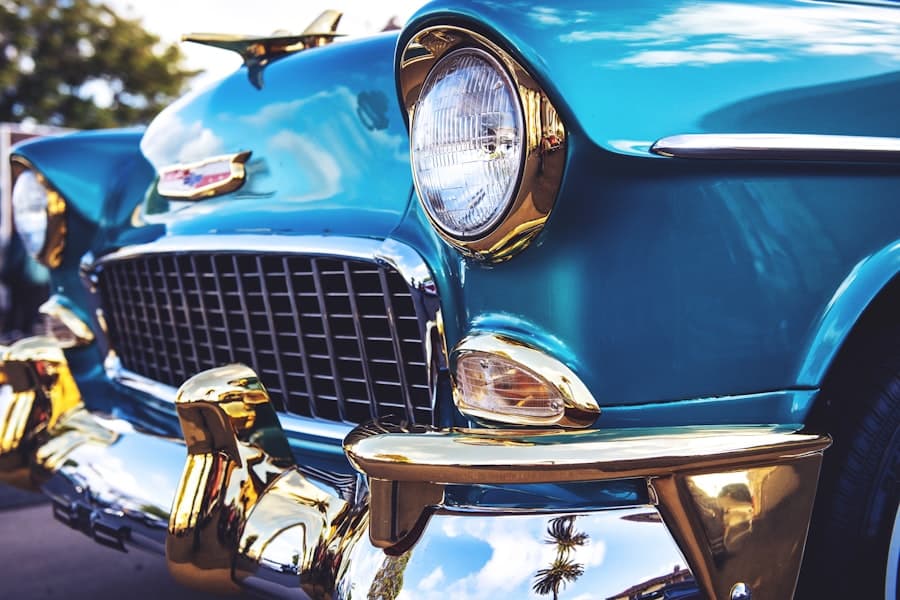
Once you have gathered your tools and materials, the next step is preparing the chrome surface for restoration. This initial preparation is crucial as it lays the groundwork for effective cleaning and polishing. Start by thoroughly washing the bumper with soap and water to remove any loose dirt or debris.
This step not only helps you see the extent of the damage but also prevents scratching the surface during subsequent steps. After washing, dry the bumper completely with a soft cloth. Inspect the surface closely for any signs of rust or corrosion that may require special attention.
If you notice any stubborn grime or residue that won’t come off with soap and water, consider using a dedicated chrome cleaner. Apply it according to the manufacturer’s instructions, ensuring that you cover all areas evenly. This preparation phase is vital; it ensures that you are working with a clean slate, allowing for more effective restoration in the following steps.
Removing Rust and Corrosion
With the chrome surface prepared, it’s time to tackle rust and corrosion head-on. Depending on the severity of the damage, you may need to employ different techniques for effective removal. For light rust spots, using a fine-grade sandpaper or steel wool can be effective.
Gently rub the affected areas in a circular motion, being careful not to scratch the surrounding chrome finish. This method allows you to remove surface rust without causing further damage. For more extensive corrosion, you might need to use a wire brush or even a chemical rust remover.
If you opt for chemicals, ensure you follow all safety precautions outlined on the product label. Apply the rust remover generously to the affected areas and allow it to sit for the recommended time before scrubbing it off with a soft cloth or sponge. After removing rust and corrosion, rinse the bumper thoroughly with water to eliminate any residue from cleaning agents.
This step is crucial as leftover chemicals can lead to further deterioration if not properly washed away.
Polishing and Buffing the Chrome
Once you have successfully removed rust and corrosion, it’s time to bring back that brilliant shine through polishing and buffing. Start by applying a high-quality chrome polish to a clean microfiber cloth or applicator pad. Work in small sections, applying the polish in circular motions to ensure even coverage.
The polish will help fill in minor scratches and imperfections while restoring luster to the chrome surface. After applying the polish, allow it to sit for a few minutes as per the product instructions before buffing it off with a clean cloth. Buffing is an essential step that enhances the shine and smoothness of the chrome finish.
Use a separate clean cloth for buffing to avoid reintroducing dirt or debris onto the surface. As you buff, you’ll notice how the chrome begins to gleam once again, transforming your bumper into a stunning focal point of your vehicle.
Repairing Dents and Scratches

While polishing can significantly improve the appearance of your chrome bumper, deeper dents and scratches may require additional attention. If you encounter minor scratches, you can often repair them using specialized chrome scratch repair kits available at automotive stores. These kits typically include a filler compound that can be applied directly into the scratch, followed by sanding and polishing for a seamless finish.
For more significant dents, you may need to employ techniques such as using a heat gun or hairdryer to warm up the area gently before attempting to push out the dent from behind if accessible. Alternatively, consider using a dent repair kit designed specifically for automotive use. These kits often come with tools that allow you to pull out dents without damaging the surrounding chrome finish.
Regardless of the method you choose, patience is key; take your time to ensure that repairs are done correctly for optimal results.
Protecting the Restored Chrome
After investing time and effort into restoring your chrome bumper, protecting it from future damage is essential. Applying a protective coating can help shield your newly restored chrome from environmental factors such as moisture, road salt, and UV rays that can lead to deterioration over time. Many automotive detailing products offer protective waxes or sealants specifically designed for chrome surfaces.
When applying these protective coatings, ensure that the bumper is clean and dry before proceeding. Follow the manufacturer’s instructions carefully for application techniques and drying times. A good protective layer will not only enhance shine but also make future cleaning easier by preventing dirt and grime from adhering to the surface as readily.
Maintenance Tips for Keeping Chrome Bumpers Looking Great
To keep your chrome bumpers looking pristine long after restoration, regular maintenance is key. Start by washing your vehicle frequently with mild soap and water; this will help prevent dirt buildup that can lead to scratches or tarnishing over time. Avoid using abrasive cleaners or sponges that could damage the chrome finish.
Additionally, consider applying a coat of wax every few months to maintain that brilliant shine while providing an extra layer of protection against environmental elements. If you notice any signs of rust or corrosion starting to develop, address them immediately before they worsen. By incorporating these maintenance tips into your routine, you can ensure that your chrome bumpers remain a stunning feature of your vehicle for years to come.
In conclusion, restoring chrome bumpers requires careful attention to detail and an understanding of proper techniques. By following these steps—from preparation through maintenance—you can breathe new life into your vehicle’s chrome accents while preserving their beauty for future enjoyment. Whether you’re working on a classic car or simply want to enhance your daily driver’s appearance, taking pride in maintaining your chrome bumpers will undoubtedly pay off in both aesthetics and longevity.
If you are interested in learning more about advanced techniques for rust repair and restoring your vehicle from the inside out, check out this informative article from Auto Body Repair HQ. This article provides valuable insights into how to effectively address rust issues and restore your vehicle to its former glory.
FAQs
What is chrome bumper restoration?
Chrome bumper restoration is the process of repairing and refinishing a chrome-plated bumper to restore its original appearance and functionality. This may involve removing rust, dents, and scratches, as well as re-plating the chrome surface.
Why is chrome bumper restoration important?
Chrome bumpers are prone to damage from rust, dents, and scratches over time. Restoration is important to maintain the aesthetic appeal of the vehicle and to prevent further deterioration of the bumper.
How is chrome bumper restoration done?
Chrome bumper restoration typically involves cleaning the surface, removing rust and imperfections, repairing any dents or scratches, and re-plating the chrome to restore its shine and durability.
Can chrome bumper restoration be done at home?
While some minor restoration tasks can be done at home, such as cleaning and polishing, more extensive restoration work, such as re-plating the chrome, is best left to professionals with the proper equipment and expertise.
How long does chrome bumper restoration take?
The time it takes to restore a chrome bumper depends on the extent of the damage and the specific restoration processes involved. Minor restoration work may take a few hours, while more extensive restoration can take several days.
What are the benefits of chrome bumper restoration?
Restoring a chrome bumper can improve the overall appearance of the vehicle, increase its resale value, and protect the bumper from further deterioration. It also helps to maintain the originality of classic and vintage vehicles.





