
When it comes to welding automobile body panels, mastering the proper techniques is essential for achieving a strong and durable bond. You need to familiarize yourself with various welding methods, such as MIG (Metal Inert Gas) and TIG (Tungsten Inert Gas) welding, as each has its own advantages and applications. MIG welding is often favored for its speed and ease of use, making it ideal for beginners and those working on thin metal sheets commonly found in car bodies.
On the other hand, TIG welding offers greater control and precision, which can be beneficial when working on intricate areas or when you need to weld different types of metals together. In addition to selecting the right welding method, you must also pay attention to your technique. Properly setting your welder’s voltage and wire feed speed is crucial for achieving optimal results.
You should practice maintaining a steady hand and consistent travel speed while welding to ensure even penetration and avoid defects. Furthermore, understanding the importance of joint preparation cannot be overstated; clean, well-fitted joints will lead to stronger welds. By honing these skills and techniques, you will significantly improve the quality of your automobile body repairs.
- Proper welding techniques are crucial for repairing automobile body panels
- Common welding mistakes in automobile body repair include inadequate penetration and overheating
- Choosing the right welding equipment and materials is essential for successful automobile body repair
- Safety precautions and protective gear are necessary to prevent injuries during welding
- Proper preparation of the automobile body surface is important for successful welding
Identifying Common Welding Mistakes in Automobile Body Repair
Surface Preparation: The Foundation of a Strong Weld
One prevalent error is inadequate surface preparation. If you neglect to clean the metal surfaces thoroughly, contaminants like rust, oil, or paint can interfere with the welding process, leading to weak joints or even complete weld failure. Always take the time to grind or sand down the areas to be welded, ensuring a clean surface for optimal adhesion.
Heat Management: The Key to Precise Welds
Another frequent mistake is improper heat management during the welding process. Overheating can cause warping or distortion of the metal panels, which can be particularly problematic in automotive applications where precision is key. You should be mindful of your travel speed and the duration of your welds to prevent excessive heat buildup.
Quality Control: Catching Defects Early On
Failing to check your welds for quality can lead to issues down the line. Regularly inspecting your work will help you catch any defects early on, allowing you to make necessary adjustments before they become significant problems.
Choosing the Right Welding Equipment and Materials for Automobile Body Repair
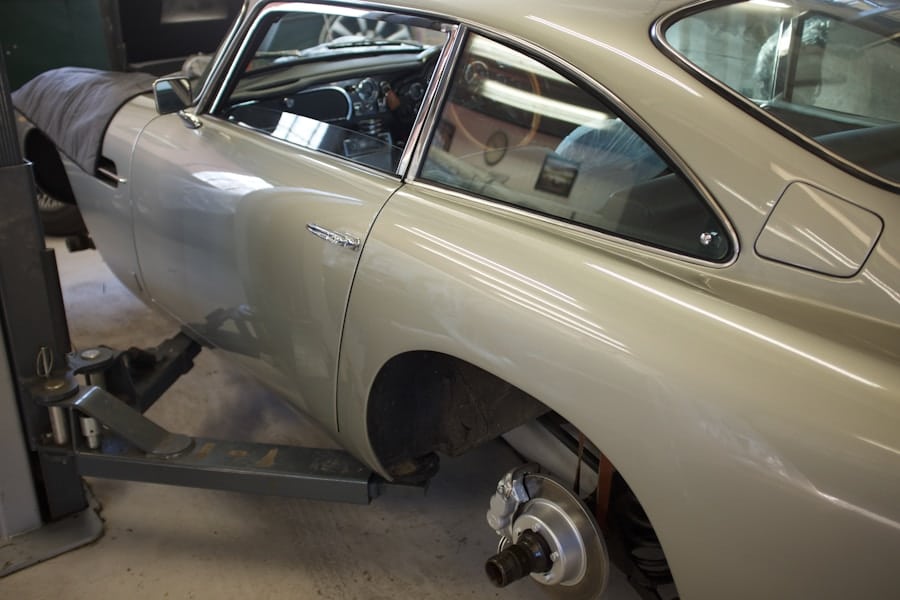
Selecting the appropriate welding equipment and materials is crucial for successful automobile body repair. You should start by investing in a reliable welder that suits your specific needs. For most automotive applications, a MIG welder is often recommended due to its versatility and ease of use.
Ensure that you choose a welder with adjustable settings so you can fine-tune the voltage and wire feed speed according to the thickness of the metal you are working with. In addition to the welder itself, you must also consider the type of filler material you will use. For automobile body panels, ER70S-6 MIG wire is a popular choice due to its excellent weldability and compatibility with various steel types.
You should also stock up on essential accessories such as welding helmets, gloves, and protective clothing to ensure your safety while working. By carefully selecting your equipment and materials, you will set yourself up for success in your automobile body repair projects.
Ensuring Proper Safety Precautions and Protective Gear During Welding
Safety should always be your top priority when welding automobile body panels. The process generates intense heat and bright light, which can pose serious risks if proper precautions are not taken. You must wear appropriate protective gear, including a welding helmet with a suitable shade lens to shield your eyes from harmful UV rays and sparks.
Additionally, heavy-duty gloves and flame-resistant clothing are essential to protect your skin from burns and other injuries. Beyond personal protective equipment (PPE), you should also ensure that your workspace is safe and well-ventilated. Welding fumes can be hazardous to your health, so working in an area with adequate airflow is crucial.
If you’re working indoors, consider using a fume extraction system or a fan to help disperse harmful gases. Furthermore, keep flammable materials away from your work area to minimize fire risks. By adhering to these safety precautions, you can create a safer environment for yourself while performing automobile body repairs.
Preparing the Automobile Body Surface for Welding
Before you begin welding, preparing the automobile body surface is a critical step that should not be overlooked. Proper surface preparation ensures that the metal is clean and free from contaminants that could weaken the weld joint. Start by removing any paint, rust, or debris from the areas where you plan to weld.
You can use a grinder or sandpaper for this task, ensuring that you achieve a smooth surface that allows for better adhesion. Once you’ve cleaned the surface, it’s essential to fit the panels together accurately. Misalignment can lead to gaps that compromise the strength of your welds.
Take your time to adjust the panels until they fit snugly against each other before securing them in place with clamps or magnets. This attention to detail during preparation will pay off in the quality of your final welds and the overall integrity of your repair work.
Avoiding Overheating and Warping of Automobile Body Panels During Welding
One of the most significant challenges in welding automobile body panels is managing heat effectively to avoid overheating and warping. Thin metal sheets are particularly susceptible to distortion if exposed to excessive heat for prolonged periods. To mitigate this risk, you should adopt a technique known as “tack welding,” where you apply small welds at intervals along the joint before completing the full weld.
This approach helps distribute heat more evenly across the panel and reduces the likelihood of warping. Additionally, maintaining a consistent travel speed while welding is crucial for controlling heat input. If you move too slowly, you risk overheating the metal; conversely, moving too quickly may result in insufficient penetration.
Strive for a balance that allows for even heating without compromising the integrity of the panel. By being mindful of these factors, you can significantly reduce the chances of warping and ensure a more successful welding outcome.
Checking for Proper Weld Penetration and Quality
After completing your welds on automobile body panels, it’s essential to check for proper penetration and overall quality. A good weld should have adequate penetration into both pieces of metal being joined; this ensures a strong bond that can withstand stress over time. You can visually inspect your welds for consistency in bead appearance—look for uniformity in width and height without excessive spatter or undercutting.
To further assess weld quality, consider performing a “pull test” on a sample weld if possible. This involves applying force to see if the weld holds under stress; if it fails easily, it may indicate insufficient penetration or poor technique during welding. Regularly checking your work will help you identify any issues early on and allow you to make necessary adjustments before proceeding with additional repairs.
Seeking Professional Training and Certification in Automobile Body Repair Welding Techniques
As you delve deeper into automobile body repair welding techniques, seeking professional training and certification can significantly enhance your skills and knowledge base. Many vocational schools and community colleges offer specialized programs focused on automotive welding that cover essential techniques, safety practices, and equipment handling. Enrolling in such programs not only provides hands-on experience but also connects you with industry professionals who can offer valuable insights.
Obtaining certification in automotive welding can also boost your credibility as a technician or hobbyist in this field. Certifications demonstrate your commitment to quality workmanship and adherence to industry standards, which can be beneficial if you’re looking to pursue a career in automotive repair or restoration. By investing in professional training and certification, you’ll equip yourself with the tools necessary for success in automobile body repair welding while enhancing your overall skill set.
If you’re looking to learn more about body fillers and their applications in automobile body repair, check out this article. It delves into the different types of body fillers available and provides techniques for using them effectively. Additionally, if you’re interested in tackling bumper repair on your own, this step-by-step guide can help you restore your car’s exterior. And for those in Columbia, South Carolina, looking for the best auto body repair services, this article highlights some top options in the area.
FAQs
What are common welding mistakes in automobile body repair?
Some common welding mistakes in automobile body repair include inadequate surface preparation, improper heat control, incorrect welding technique, and using the wrong type of welding equipment or materials.
How can I avoid inadequate surface preparation in welding for automobile body repair?
To avoid inadequate surface preparation, it is important to thoroughly clean and remove any rust, paint, or contaminants from the welding area before beginning the welding process. This can be done using a wire brush, sandpaper, or a grinder.
What is the proper heat control in welding for automobile body repair?
Proper heat control in welding for automobile body repair involves using the correct heat settings on the welding equipment to prevent overheating or underheating the metal. It is important to follow the manufacturer’s recommendations for the specific type and thickness of metal being welded.
What are some common welding techniques used in automobile body repair?
Common welding techniques used in automobile body repair include MIG (Metal Inert Gas) welding, TIG (Tungsten Inert Gas) welding, and spot welding. Each technique has its own advantages and is suitable for different types of repairs.
How can I ensure I am using the right type of welding equipment and materials for automobile body repair?
To ensure you are using the right type of welding equipment and materials for automobile body repair, it is important to consult with a professional or refer to the manufacturer’s recommendations for the specific type of repair being performed. Using the wrong equipment or materials can result in poor weld quality and potential safety hazards.





