
When you first notice hail damage on your vehicle, it can be a shocking experience. The sight of dings and dents scattered across your car’s surface can evoke feelings of frustration and helplessness. To effectively address the issue, it’s crucial to understand the extent of the damage.
You may find yourself inspecting your vehicle closely, looking for any signs of impact. Hail can vary in size, and the larger the hailstones, the more severe the damage is likely to be. Small dents may seem minor, but they can still affect your car’s resale value and overall appearance.
As you assess the damage, consider not only the visible dents but also any potential underlying issues. Hail can cause cracks in the paint or even damage to the underlying metal, which may lead to rust if left untreated. You might want to take a closer look at areas like the roof, hood, and trunk, as these are often the most affected by hailstorms.
Documenting the damage with photographs can also be beneficial, especially if you plan to file an insurance claim. Understanding the full scope of the damage will help you make informed decisions about repair options moving forward.
- Hail damage can range from minor dents to major structural damage, and it’s important to thoroughly assess the extent of the damage before deciding on a repair method.
- When considering repair options, it’s important to weigh the cost, time, and effectiveness of each method, whether it’s DIY, professional help, or using paintless dent repair techniques.
- DIY methods for removing hail damage can include using dry ice, a plunger, or a hair dryer, but it’s important to proceed with caution and be aware of the limitations of these methods.
- Seeking professional help for hail damage repair can ensure that the damage is properly assessed and repaired, and can also provide a warranty for the work done.
- Paintless dent repair techniques can be a cost-effective and efficient way to remove hail damage, especially for minor dents, and can help maintain the original paint finish of the vehicle.
Assessing the options for repair
Weighing the Pros and Cons
Once you have a clear understanding of the damage, it’s time to assess your options for repair. You may feel overwhelmed by the choices available, but breaking them down can simplify the process. One of the first decisions you’ll need to make is whether to tackle the repairs yourself or seek professional assistance.
DIY Repairs: Gathering the Necessary Tools and Materials
Each option has its pros and cons, and weighing them carefully will help you determine the best course of action for your situation. If you choose to go the DIY route, you’ll need to gather the necessary tools and materials. This could include items like a hairdryer, ice packs, or specialized dent repair kits.
Seeking Professional Help: Research and Reviews
On the other hand, if you opt for professional help, you’ll want to research local auto body shops and read reviews to find a reputable service provider. Additionally, consider factors such as cost, time, and warranty on repairs when making your decision.
DIY methods for removing hail damage
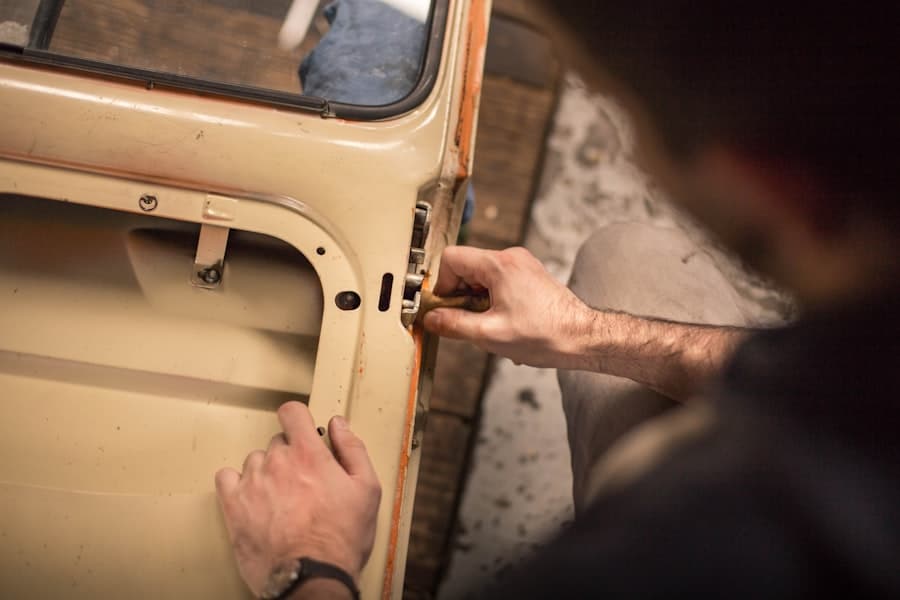
If you’re feeling adventurous and want to save some money, there are several DIY methods for removing hail damage that you can try. One popular technique involves using heat to expand the metal and then cooling it rapidly to contract it back into shape. You might start by using a hairdryer to heat the dented area for about 30 seconds.
Once it’s warm to the touch, you can quickly apply ice or a cold pack to create a rapid temperature change. This method can sometimes pop out small dents effectively. Another DIY approach involves using a plunger.
You may find that a standard cup plunger works well for this purpose. Wet the area around the dent and the plunger itself to create a better seal. Firmly press the plunger against the dent and pull it outwards with a quick motion.
This technique can be surprisingly effective for shallow dents but may not work as well on more severe damage. Remember that while these methods can be helpful, they may not yield perfect results, and patience is key as you experiment with different techniques.
Seeking professional help for hail damage repair
If DIY methods don’t seem appealing or if the damage is extensive, seeking professional help for hail damage repair is often the best course of action. Professional auto body shops have specialized tools and expertise that can restore your vehicle to its pre-damaged condition more effectively than most DIY methods. When you decide to go this route, it’s essential to do your homework.
Look for shops that specialize in hail damage repair and have positive customer reviews. When you visit a professional shop, they will typically conduct a thorough inspection of your vehicle to assess the damage accurately. They may use advanced techniques such as paintless dent repair (PDR) or traditional bodywork methods depending on the severity of the dents and any paint damage.
While professional repairs may come at a higher cost than DIY methods, they often provide peace of mind knowing that your vehicle is in capable hands and that repairs will be done correctly.
Using paintless dent repair techniques
One of the most effective methods for repairing hail damage is paintless dent repair (PDR). This technique is particularly advantageous because it preserves your vehicle’s original paint while effectively removing dents. If you decide to go this route, you’ll find that PDR technicians use specialized tools to massage the metal back into its original shape from behind the panel.
This method is ideal for shallow dents caused by hailstones without any paint cracking or chipping. You might appreciate that PDR is often quicker than traditional repair methods, which can involve sanding, filling, and repainting damaged areas. Additionally, because PDR doesn’t require repainting, it can be more cost-effective in many cases.
However, it’s essential to ensure that you choose a qualified technician who has experience with PDR techniques. A skilled professional will be able to assess whether your vehicle is a good candidate for this type of repair and will work diligently to restore its appearance.
Considering traditional dent repair methods
Limitations of Paintless Dent Repair
While paintless dent repair is an excellent option for many situations, there are instances where traditional dent repair methods may be necessary. If your vehicle has sustained significant damage—such as deep dents or paint scratches—traditional methods might be more appropriate.
The Traditional Dent Repair Process
These techniques typically involve sanding down the damaged area, applying filler material to smooth out imperfections, and repainting to match your vehicle’s original color.
Considerations for Traditional Dent Repair
You may find that traditional dent repair offers a more comprehensive solution for severe hail damage. However, keep in mind that this process can take longer and may be more expensive than PDR. Additionally, there’s always a risk of mismatched paint or visible repair marks if not done correctly.
Importance of Choosing a Reputable Auto Body Shop
Therefore, if you opt for traditional methods, it’s crucial to select a reputable auto body shop with experienced technicians who can deliver high-quality results.
Exploring the option of replacing damaged parts
In some cases, hail damage may be so extensive that replacing damaged parts becomes necessary. This option is particularly relevant if panels are severely bent or if there are cracks in critical components like windshields or headlights. While this approach can be more costly than repairing existing parts, it may ultimately provide a better long-term solution for your vehicle’s integrity and appearance.
When considering part replacement, it’s essential to weigh factors such as cost versus value. You might want to consult with professionals who can provide estimates on both repair and replacement options. Additionally, consider whether aftermarket parts or original equipment manufacturer (OEM) parts are more suitable for your needs and budget.
Ultimately, replacing damaged parts can restore your vehicle’s functionality while ensuring that it looks its best.
Preventing future hail damage to your vehicle
After addressing hail damage on your vehicle, it’s wise to take proactive steps to prevent future occurrences. While you can’t control weather events like hailstorms, there are measures you can implement to minimize potential damage. One effective strategy is to invest in a high-quality car cover designed specifically for hail protection.
This cover can act as a barrier between your vehicle and falling hailstones during storms. Additionally, consider parking in garages or covered areas whenever possible. If you live in an area prone to severe weather conditions, being vigilant about weather forecasts can also help you prepare in advance.
By taking these precautions, you can significantly reduce the risk of hail damage in the future and protect your investment for years to come. In conclusion, dealing with hail damage requires careful assessment and consideration of various repair options. Whether you choose DIY methods or seek professional help, understanding the extent of the damage is crucial in making informed decisions.
By exploring different repair techniques and taking preventive measures, you can ensure that your vehicle remains in excellent condition despite nature’s unpredictable elements.
If you are looking to repair hail damage on your automobile body, you may also be interested in learning about the different body repair materials available. Check out this informative article on Body Repair Materials: A Guide to Fiberglass, Carbon Fiber, and More to help you make the best decision for your repair needs.
FAQs
What is hail damage on an automobile body?
Hail damage on an automobile body refers to the dents and dings caused by hailstones hitting the vehicle during a hailstorm. These dents can vary in size and severity, and can affect the overall appearance and value of the vehicle.
Can hail damage be repaired without professional help?
While minor hail damage can be repaired using DIY methods such as using a hair dryer or dry ice to remove small dents, it is recommended to seek professional help for more severe hail damage. Professional auto body shops have the tools and expertise to properly repair hail damage.
What are the professional methods for removing hail damage from an automobile body?
Professional methods for removing hail damage from an automobile body include paintless dent repair (PDR), which involves massaging the dents out from the inside of the panel without the need for repainting. Other methods may involve using body filler and repainting the affected areas.
How much does it cost to repair hail damage on an automobile body?
The cost of repairing hail damage on an automobile body can vary depending on the severity of the damage, the size of the dents, and the specific repair methods used. It is best to obtain estimates from multiple auto body shops to compare costs.
Can insurance cover the cost of hail damage repair?
Many auto insurance policies include coverage for hail damage repair. It is recommended to check with your insurance provider to see if your policy covers hail damage and what the specific coverage limits are.





