Regular maintenance of your vehicle is not just a recommendation; it is a necessity that can significantly extend the life of your car and enhance its performance. When you commit to routine check-ups, you are essentially investing in the longevity and reliability of your vehicle. Think of it as a health check-up for your car.
Just as you would visit a doctor for a regular physical to catch potential health issues early, your vehicle requires similar attention to prevent minor problems from escalating into major repairs. Regular oil changes, tire rotations, and brake inspections are just a few examples of maintenance tasks that can keep your vehicle running smoothly. Moreover, regular maintenance can save you money in the long run.
By addressing small issues before they become significant problems, you can avoid costly repairs that could arise from neglect. For instance, failing to replace worn brake pads can lead to damage to the rotors, resulting in a much more expensive repair. Additionally, many manufacturers require proof of regular maintenance to honor warranties.
By keeping up with your vehicle’s maintenance schedule, you not only ensure its optimal performance but also protect your investment.
- Regular maintenance is crucial for the longevity and performance of your vehicle.
- Choose an auto workshop that specializes in the specific needs of your vehicle and has a good reputation.
- Effective communication with auto mechanics is key to ensuring your needs are understood and met.
- Understand what to expect during the repair process to avoid surprises and delays.
- Make informed decisions about repairs and upgrades by researching and consulting with professionals.
Choosing the Right Auto Workshop for Your Needs
Research and Reviews
Start by researching local workshops and reading reviews from other customers. Online platforms and social media can provide valuable insights into the experiences of others, helping you gauge the reputation of various shops.
Specialization and Expertise
Look for workshops that specialize in your vehicle’s make and model, as they will have the specific knowledge and tools necessary for optimal care. This expertise can give you peace of mind knowing that your vehicle is in good hands.
Assessing the Workshop
Once you have narrowed down your options, consider visiting the workshops in person. This allows you to assess the cleanliness and organization of the shop, which can be indicative of their professionalism. Don’t hesitate to ask questions about their certifications, warranties on repairs, and their approach to customer service. A reputable workshop will be transparent about their processes and willing to provide detailed explanations about the services they offer. Ultimately, choosing the right auto workshop is about finding a place where you feel comfortable and confident in the care your vehicle will receive.
Communicating Effectively with Auto Mechanics
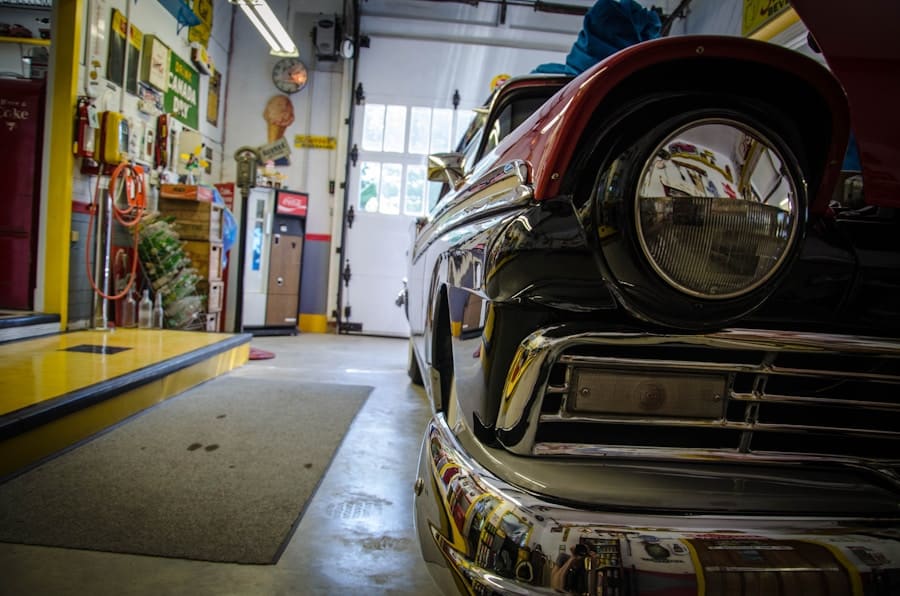
Effective communication with auto mechanics is essential for ensuring that your vehicle receives the appropriate care it needs. When you bring your car in for service, it’s important to articulate any concerns or symptoms you’ve noticed. Be as specific as possible; instead of saying, “My car doesn’t feel right,” describe what you’re experiencing—whether it’s unusual noises, vibrations, or warning lights on the dashboard.
This information can help mechanics diagnose issues more accurately and efficiently. Additionally, don’t hesitate to ask questions about the repairs or services being recommended. A good mechanic will appreciate your curiosity and will take the time to explain their reasoning behind certain recommendations.
If you don’t understand something, ask for clarification until you feel comfortable with the information provided. This two-way communication fosters trust and ensures that both you and the mechanic are on the same page regarding your vehicle’s needs.
Navigating the Repair Process: What to Expect
When you take your vehicle into an auto workshop for repairs, it’s helpful to know what to expect throughout the process. Initially, a mechanic will conduct a thorough inspection of your vehicle to identify any issues. This may involve diagnostic tests or visual inspections of various components.
Once they have assessed the situation, they will provide you with an estimate that outlines the necessary repairs and associated costs. It’s important to review this estimate carefully and ask questions if anything is unclear. After you approve the repairs, the mechanic will begin work on your vehicle.
Depending on the complexity of the repairs, this could take anywhere from a few hours to several days. During this time, it’s reasonable to expect updates from the workshop regarding progress or any additional issues that may arise. Once the repairs are completed, you should receive a detailed invoice that breaks down the work done and any parts replaced.
This transparency is crucial for understanding what was performed on your vehicle and ensuring that you are satisfied with the service provided.
Making Informed Decisions About Repairs and Upgrades
When faced with repair recommendations or upgrade options for your vehicle, it’s essential to make informed decisions that align with your budget and driving needs. Start by evaluating the necessity of each repair; some may be urgent while others can wait. For instance, if your brakes are worn down but still functional, you might prioritize that repair over cosmetic upgrades like new paint or interior detailing.
Additionally, consider seeking a second opinion if a repair seems particularly costly or unnecessary. Different mechanics may have varying perspectives on what is essential for your vehicle’s performance. When it comes to upgrades, weigh the benefits against the costs carefully.
For example, investing in high-performance tires may enhance handling but could also be significantly more expensive than standard options. Ultimately, making informed decisions involves balancing immediate needs with long-term goals for your vehicle.
Maximizing the Lifespan of Your Vehicle Through Proper Care
To maximize the lifespan of your vehicle, proper care is paramount. This includes adhering to a regular maintenance schedule as outlined in your owner’s manual, which provides specific guidelines tailored to your car’s make and model. Regularly checking fluid levels—such as oil, coolant, and brake fluid—can prevent overheating or mechanical failures that could shorten your vehicle’s life.
In addition to routine maintenance, adopting good driving habits can also contribute significantly to extending your vehicle’s lifespan. Avoiding aggressive driving behaviors such as rapid acceleration and hard braking can reduce wear and tear on critical components like the engine and brakes. Furthermore, being mindful of how you load your vehicle can also make a difference; carrying excessive weight can strain your suspension system and reduce fuel efficiency over time.
Preventative Measures: Tips for Avoiding Future Issues
Preventative measures are key to avoiding future issues with your vehicle. One effective strategy is to keep a detailed maintenance log that tracks all services performed on your car, including oil changes, tire rotations, and any repairs made. This log not only helps you stay organized but also serves as a valuable reference when discussing your vehicle’s history with mechanics.
Another important preventative measure is to stay vigilant about warning signs that may indicate potential problems. Pay attention to unusual sounds or smells while driving; these can be early indicators of mechanical issues that require attention. Additionally, regularly inspecting your tires for wear and maintaining proper tire pressure can enhance safety and improve fuel efficiency.
By taking these proactive steps, you can significantly reduce the likelihood of unexpected breakdowns or costly repairs down the line.
Finding Value in the Auto Workshop Experience: Tips for Saving Money and Time
Finding value in the auto workshop experience involves being strategic about how you approach vehicle maintenance and repairs. One effective way to save money is by taking advantage of seasonal promotions or loyalty programs offered by many workshops. These can include discounts on services or special rates for returning customers, which can help reduce overall costs.
Additionally, consider bundling services when possible; for example, scheduling an oil change alongside a tire rotation can save you both time and money compared to making separate trips. It’s also wise to stay informed about common repair costs for your vehicle model so that you have a baseline understanding of what constitutes a fair price for services rendered. By being proactive and informed, you can navigate the auto workshop experience more effectively while ensuring that you receive quality care for your vehicle without breaking the bank.
In conclusion, maintaining your vehicle is an ongoing commitment that requires attention and diligence. By understanding the importance of regular maintenance, choosing the right auto workshop, communicating effectively with mechanics, navigating the repair process wisely, making informed decisions about repairs and upgrades, maximizing care for longevity, implementing preventative measures, and finding value in service experiences, you can ensure that your vehicle remains reliable and efficient for years to come.
If you are looking for the best auto body repair shop in Los Angeles, California, look no further than this article for some helpful tips. Preventive maintenance is also crucial to keeping your vehicle in top condition, so be sure to check out this article for some useful tips on how to keep your car running smoothly. Revitalize, Repair, Repeat: Navigating the Auto Workshop Experience is a great resource for anyone looking to navigate the auto repair process effectively.
FAQs
What services are typically offered at an auto workshop?
Auto workshops typically offer a range of services including routine maintenance (oil changes, tire rotations), repairs (brakes, suspension, engine), diagnostics, and vehicle inspections.
How often should I take my car to an auto workshop for maintenance?
It is recommended to follow the manufacturer’s guidelines for maintenance, which typically includes regular oil changes, tire rotations, and inspections every 5,000 to 7,500 miles.
What should I look for when choosing an auto workshop?
When choosing an auto workshop, consider factors such as the shop’s reputation, certifications, experience, warranty offerings, and customer reviews. It’s also important to ensure the workshop specializes in the specific make and model of your vehicle.
How can I ensure the quality of work at an auto workshop?
To ensure the quality of work at an auto workshop, look for certifications such as ASE (Automotive Service Excellence), inquire about the experience and training of the technicians, and ask about the warranty offered on parts and labor.
What should I do if I am not satisfied with the service at an auto workshop?
If you are not satisfied with the service at an auto workshop, it’s important to communicate your concerns with the management or owner of the shop. Many reputable workshops will work to address and resolve any issues to ensure customer satisfaction.