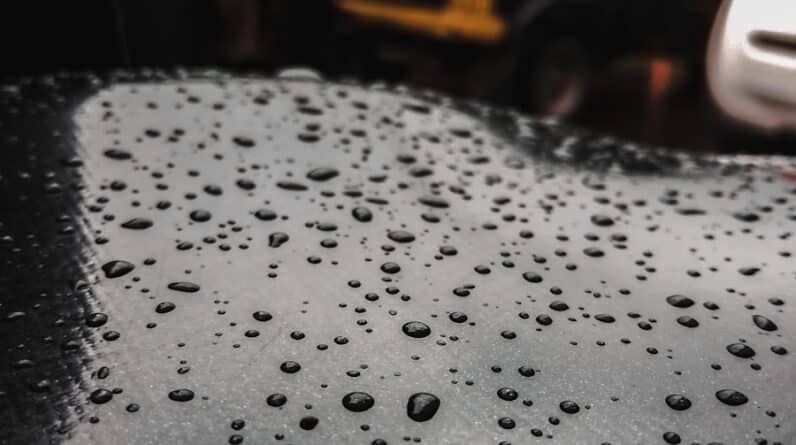
When you think about auto body repair, you might picture a garage filled with tools, paint, and skilled technicians working diligently to restore vehicles to their former glory. However, the world of auto body repair is much more intricate than it appears at first glance. It encompasses a wide range of services aimed at restoring the exterior of your vehicle after it has suffered damage.
This damage can arise from various sources, including accidents, weather conditions, or even everyday wear and tear. Understanding the nuances of auto body repair can empower you to make informed decisions when your vehicle needs attention. Auto body repair is not just about fixing dents and scratches; it involves a comprehensive understanding of materials, techniques, and safety standards.
Technicians must be well-versed in the latest technologies and methods to ensure that repairs are not only aesthetically pleasing but also structurally sound. This knowledge is crucial because a poorly executed repair can lead to further issues down the line, such as rust or compromised safety features. By familiarizing yourself with the basics of auto body repair, you can better appreciate the work that goes into restoring your vehicle and the importance of choosing a qualified professional for the job.
- Auto body repair involves restoring a vehicle’s exterior to its original condition after it has been damaged.
- Types of auto body damage include dents, scratches, rust, and frame damage, among others.
- When choosing an auto body repair shop, consider factors such as reputation, experience, and certifications.
- The auto body repair process typically involves assessment, disassembly, repair, reassembly, and refinishing.
- Specialized techniques for auto body repair may include paintless dent repair, welding, and frame straightening.
Types of Auto Body Damage
Dent Damage: A Common Issue
Dent damage is one of the most common types of auto body damage, often resulting from minor collisions or hailstorms. The size and depth of dents can vary greatly, and while some may be easily removed using paintless dent repair techniques, others may require more extensive work.
Paint Damage: A Threat to Appearance and Integrity
Another prevalent form of auto body damage is paint damage, which can result from scratches, chips, or fading due to sun exposure. Not only does paint damage affect the appearance of your vehicle, but it can also lead to rust if left untreated. In some cases, a simple touch-up may suffice, while in others, a complete repainting may be necessary to restore the vehicle’s original finish.
Structural Damage: A Serious Concern
In more severe accidents, structural damage can occur, affecting the frame or other critical components of your vehicle. This type of damage often requires specialized equipment and expertise to ensure that your vehicle is safe to drive once repairs are completed.
Choosing the Right Auto Body Repair Shop

Selecting the right auto body repair shop is crucial for ensuring that your vehicle receives high-quality care. Start by researching local shops and reading reviews from previous customers. Look for establishments that have a solid reputation for their workmanship and customer service.
A good shop will not only provide excellent repairs but will also communicate clearly with you throughout the process, keeping you informed about what to expect. Another important factor to consider is whether the shop is certified by major insurance companies or manufacturers. Certification often indicates that the technicians have undergone rigorous training and adhere to industry standards.
Additionally, don’t hesitate to ask about warranties on repairs and materials used. A reputable shop will stand behind their work and offer guarantees that provide you with peace of mind. By taking the time to choose the right auto body repair shop, you can ensure that your vehicle is in capable hands.
The Auto Body Repair Process
The auto body repair process typically begins with a thorough inspection of the vehicle to assess the extent of the damage. During this initial evaluation, technicians will identify any visible issues and may also look for underlying problems that could affect the repair process. Once they have a clear understanding of what needs to be done, they will provide you with an estimate detailing the necessary repairs and associated costs.
After you approve the estimate, the actual repair work begins. This may involve removing damaged panels, realigning frames, or applying new paint. Depending on the severity of the damage, repairs can take anywhere from a few hours to several days.
Throughout this process, communication is key; a good repair shop will keep you updated on progress and any unexpected developments that may arise. Once repairs are completed, technicians will conduct a final inspection to ensure everything meets quality standards before returning your vehicle to you.
Specialized Techniques for Auto Body Repair
In recent years, advancements in technology have led to specialized techniques in auto body repair that enhance efficiency and effectiveness. One such technique is paintless dent repair (PDR), which allows technicians to remove minor dents without damaging the vehicle’s original paint job. This method is particularly beneficial for small dings caused by hail or minor collisions, as it preserves the integrity of the vehicle’s finish while saving time and money.
Another innovative technique is the use of computerized frame alignment systems. These systems allow technicians to accurately measure and realign a vehicle’s frame after an accident, ensuring that it meets manufacturer specifications. This precision is crucial for maintaining safety and performance standards.
Additionally, advancements in materials such as high-strength steel and aluminum have changed how repairs are approached, requiring technicians to adapt their skills and knowledge continually. By staying informed about these specialized techniques, you can better understand how modern auto body repair shops are equipped to handle various types of damage.
The Importance of Quality Materials in Auto Body Repair
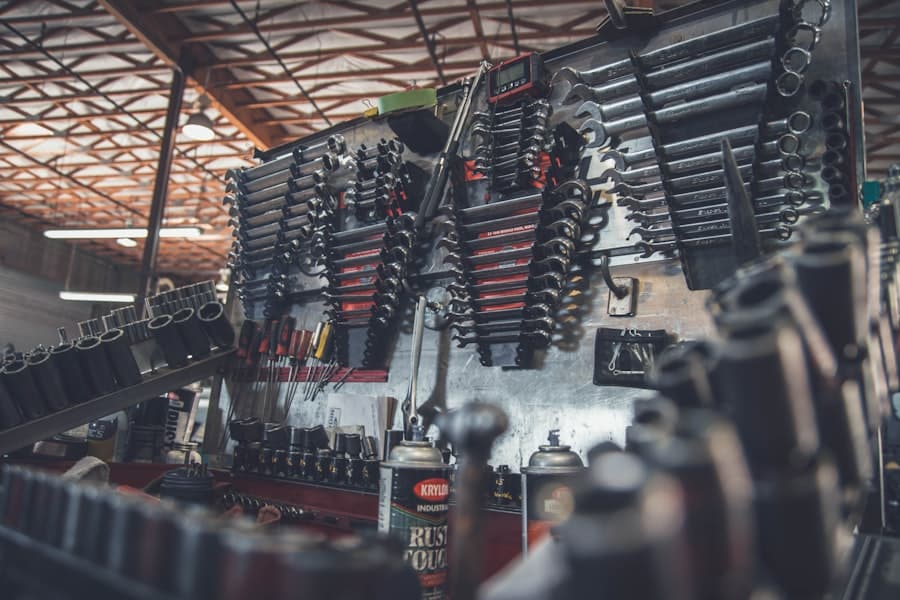
The materials used in auto body repair play a significant role in determining the longevity and quality of the repairs performed on your vehicle. High-quality materials not only enhance the aesthetic appeal but also contribute to the overall safety and performance of your car. For instance, using premium paint products ensures a durable finish that can withstand environmental factors such as UV rays and moisture, reducing the likelihood of fading or peeling over time.
Moreover, using quality replacement parts is essential for maintaining your vehicle’s structural integrity. Aftermarket parts may be less expensive but can sometimes compromise safety or fit poorly. When selecting an auto body repair shop, inquire about their sourcing practices for materials and parts.
A reputable shop will prioritize quality over cost-cutting measures, ensuring that your vehicle receives repairs that stand the test of time.
Preventing Future Auto Body Damage
While it’s impossible to completely eliminate the risk of auto body damage, there are several proactive steps you can take to minimize potential issues. One effective strategy is to invest in protective coatings or films that shield your vehicle’s exterior from scratches and chips caused by road debris or environmental factors. These protective layers can significantly reduce wear and tear on your car’s finish.
Additionally, regular maintenance plays a crucial role in preventing future damage. Keeping your vehicle clean and free from dirt and grime helps protect its paint job from corrosion and fading. Regularly waxing your car not only enhances its appearance but also provides an extra layer of protection against harmful elements.
By adopting these preventive measures, you can help maintain your vehicle’s condition and reduce the likelihood of needing extensive repairs down the line.
Maintaining the Value of Your Vehicle through Auto Body Repair
Investing in quality auto body repair is essential for maintaining your vehicle’s value over time. When it comes time to sell or trade in your car, potential buyers will closely examine its exterior condition as part of their decision-making process. A well-maintained vehicle with minimal visible damage will naturally command a higher price than one with noticeable dents or scratches.
Furthermore, keeping up with regular maintenance and timely repairs demonstrates responsible ownership, which can positively influence resale value. Buyers are often willing to pay more for vehicles that have been cared for properly and show no signs of neglect. By prioritizing auto body repair when needed and maintaining your vehicle’s exterior condition, you not only enhance its appearance but also protect your investment for years to come.
In conclusion, understanding auto body repair is essential for every vehicle owner. From recognizing different types of damage to choosing the right repair shop and utilizing specialized techniques, being informed empowers you to make better decisions regarding your vehicle’s care. By investing in quality repairs and preventive measures, you can maintain both the aesthetic appeal and value of your car while ensuring its safety on the road.
If you’re interested in learning more about the materials used in auto body repair, check out this informative article on Body Repair Materials: A Guide to Fiberglass, Carbon Fiber, and More. This article provides valuable insights into the different materials used in auto body repair and how they can impact the repair process. It’s a great companion piece to the Specialized Auto Body Repair Guide, offering a deeper dive into the materials aspect of the industry.
FAQs
What is specialized auto body repair?
Specialized auto body repair refers to the process of repairing and restoring the body of a vehicle, including the frame, panels, and other exterior components, using specialized techniques and equipment.
What are some common types of specialized auto body repair?
Some common types of specialized auto body repair include dent repair, paintless dent repair, frame straightening, panel replacement, and custom body modifications.
Why is specialized auto body repair important?
Specialized auto body repair is important for maintaining the structural integrity and appearance of a vehicle. It can also help to preserve the value of the vehicle and ensure its safety on the road.
What are some specialized tools and equipment used in auto body repair?
Specialized tools and equipment used in auto body repair include dent pullers, frame straightening machines, paint booths, welding equipment, and various hand tools for shaping and smoothing metal.
What are the qualifications of a specialized auto body repair technician?
A specialized auto body repair technician typically has formal training in auto body repair, certification from a recognized program or organization, and experience working with a variety of vehicles and repair techniques.
How can I find a reputable specialized auto body repair shop?
To find a reputable specialized auto body repair shop, you can ask for recommendations from friends and family, check online reviews, and look for shops that are certified by industry organizations such as the Inter-Industry Conference on Auto Collision Repair (I-CAR).