
Color is an integral part of our daily lives, influencing our emotions, decisions, and perceptions in ways we often overlook. As you navigate through your environment, you may not realize how deeply colors affect your mood and behavior. The psychology of color delves into the complex relationship between color and human psychology, exploring how different hues can evoke specific feelings and reactions.
This fascinating field examines not only the emotional responses that colors elicit but also how they can shape our experiences and interactions with the world around us. Understanding the psychology of color can empower you to make more informed choices, whether in your personal life or professional endeavors. From selecting the right paint for your home to choosing a brand that resonates with you, color plays a pivotal role in shaping your preferences and decisions.
By recognizing the underlying principles of color psychology, you can harness its power to create environments that foster positivity, creativity, and connection.
- Color psychology explores the impact of different colors on human behavior and emotions.
- Color can influence consumer perception, with different colors evoking different emotions and associations.
- Auto body repair shops should consider color preferences and psychological associations when choosing paint colors for repairs.
- Color plays a crucial role in branding and marketing, as it can convey a brand’s personality and evoke specific emotions in consumers.
- Cultural and psychological associations with color can vary, so it’s important to consider these factors when using color in marketing and branding.
The Impact of Color on Consumer Perception
When it comes to consumer behavior, color is a silent yet powerful influencer. As you browse through products or services, the colors that surround you can significantly impact your perception and decision-making process. Research has shown that up to 90% of snap judgments about products are made based on color alone.
This means that the colors used in packaging, branding, and advertising can either attract or repel potential customers. For instance, a vibrant red may evoke excitement and urgency, while a calming blue can instill trust and reliability. As you consider your own experiences as a consumer, think about how certain colors have influenced your choices.
Perhaps you were drawn to a bright yellow advertisement that exuded cheerfulness or a sleek black design that conveyed sophistication. These subconscious reactions are rooted in the psychological associations we have with different colors. By understanding these associations, businesses can tailor their marketing strategies to align with consumer preferences, ultimately enhancing their appeal and effectiveness.
Color Preferences in Auto Body Repair
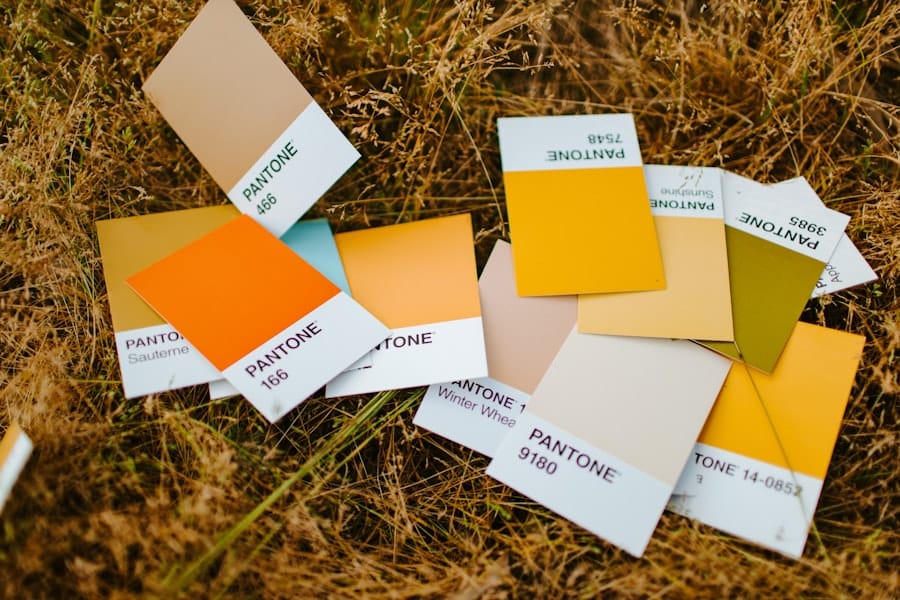
In the realm of auto body repair, color preferences play a crucial role in customer satisfaction and decision-making. When you bring your vehicle in for repairs, the color of the paint used can significantly affect your perception of the quality of work performed. Many individuals have strong emotional attachments to their vehicles, often viewing them as extensions of their personalities.
Therefore, selecting the right color for repairs is not merely a matter of aesthetics; it is about restoring a sense of identity and pride in ownership. As you consider your own vehicle’s color preferences, think about how they reflect your personality and lifestyle. Do you prefer bold colors that stand out on the road, or do you lean towards more subdued tones that convey elegance?
Auto body repair shops often take these preferences into account when discussing options with customers. By offering a range of colors and finishes, they can cater to diverse tastes and ensure that each vehicle leaves the shop looking its best.
The Role of Color in Branding and Marketing
Color is a fundamental element of branding and marketing strategies, serving as a visual shorthand for conveying messages and values. As you engage with various brands, you may notice that certain colors consistently appear in their logos and advertising materials. This deliberate choice is not random; it is rooted in the psychological impact that colors have on consumer perception.
For example, green is often associated with health and sustainability, making it a popular choice for eco-friendly brands. When you think about your favorite brands, consider how their color schemes resonate with you. Do they evoke feelings of trust, excitement, or nostalgia?
The strategic use of color in branding helps create an emotional connection between consumers and companies. By aligning their color choices with their brand identity, businesses can effectively communicate their values and differentiate themselves in a crowded marketplace.
Cultural and Psychological Associations with Color
Colors carry different meanings across cultures, making it essential to consider cultural context when discussing color psychology. As you explore various cultures, you may find that certain colors hold specific significance or symbolism. For instance, while white is often associated with purity and new beginnings in Western cultures, it may represent mourning in some Eastern traditions.
Understanding these cultural associations can enhance your appreciation for the diversity of human experience. In addition to cultural meanings, psychological associations with color also vary from person to person. Your personal experiences and memories may shape how you perceive certain colors.
For example, if you associate the color blue with calm summer skies from your childhood, it may evoke feelings of tranquility whenever you encounter it. By recognizing both cultural and personal associations with color, you can gain deeper insights into how colors influence your perceptions and interactions.
The Influence of Color on Emotional Response
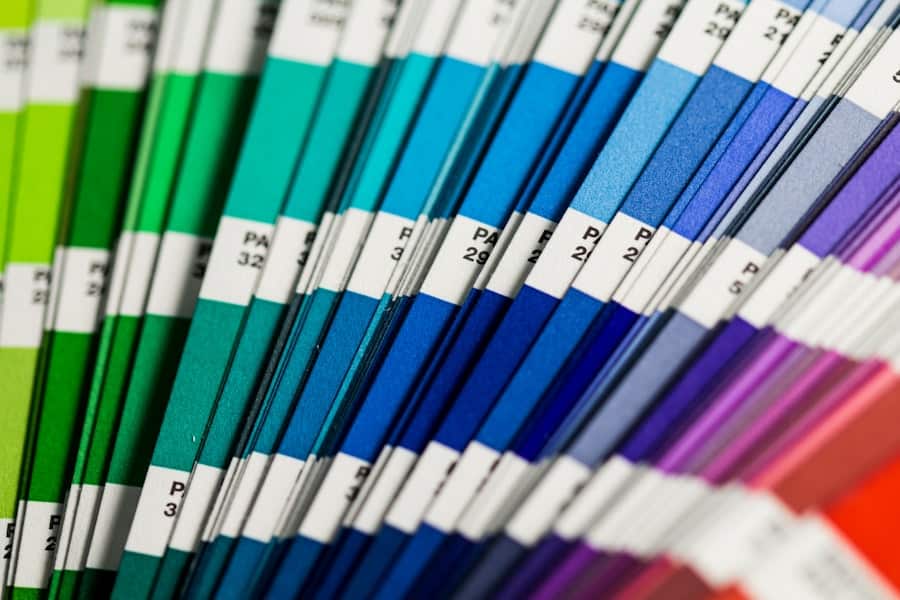
Colors have a profound ability to evoke emotional responses, often triggering feelings that range from joy to sadness. As you reflect on your own emotional experiences with color, consider how certain hues have impacted your mood throughout different stages of your life. For instance, warm colors like red and orange may energize you and inspire feelings of passion, while cooler shades like blue and green may promote relaxation and serenity.
The emotional influence of color extends beyond personal experiences; it also plays a significant role in various settings such as workplaces, schools, and healthcare facilities. For example, research has shown that incorporating calming colors into hospital environments can reduce patient anxiety and promote healing. By understanding how colors affect emotional responses, you can create spaces that foster well-being and enhance overall quality of life.
Color Matching and Color Psychology in Auto Body Repair
In auto body repair, color matching is a critical aspect that directly relates to customer satisfaction. When you bring your vehicle in for repairs or repainting, achieving an exact match to the original color is essential for maintaining its aesthetic appeal. This process involves not only technical skill but also an understanding of color psychology.
The right shade can evoke feelings of nostalgia or pride in ownership, while an incorrect match may lead to disappointment. As you consider the importance of color matching in auto body repair, think about how it reflects your personal preferences and values. A well-matched paint job can enhance the overall appearance of your vehicle and contribute to its resale value.
Auto body technicians often utilize advanced technology to ensure precise color matching, taking into account factors such as lighting conditions and paint finishes. This attention to detail underscores the significance of color psychology in creating a satisfying customer experience.
Practical Applications of Color Psychology in Auto Body Repair
The practical applications of color psychology in auto body repair extend beyond mere aesthetics; they encompass customer engagement and satisfaction as well. As you interact with auto body repair professionals, consider how their understanding of color psychology can enhance your experience. For instance, they may offer personalized consultations to help you choose a color that aligns with your preferences while also considering factors such as market trends and resale value.
Moreover, auto body repair shops can leverage color psychology in their marketing efforts by showcasing their expertise in color matching and restoration. By highlighting successful projects that demonstrate their ability to achieve flawless results, they can build trust with potential customers who value quality workmanship. Ultimately, the integration of color psychology into auto body repair practices not only enhances the visual appeal of vehicles but also fosters positive relationships between customers and service providers.
In conclusion, the psychology of color is a multifaceted field that influences various aspects of our lives, from consumer behavior to emotional responses. As you navigate through different environments and experiences, take note of how colors shape your perceptions and decisions. Whether you’re considering a new paint job for your vehicle or engaging with brands that resonate with you, understanding the principles of color psychology can empower you to make choices that align with your values and preferences.
If you’re interested in learning more about DIY car repairs, check out this helpful article on DIY Bumper Repair: A Step-by-Step Guide to Restoring Your Car’s Exterior. This comprehensive guide will walk you through the process of fixing your car’s bumper on your own, saving you time and money in the long run. Understanding the basics of auto body repair can also help you build trust with your mechanic, as discussed in the article Mechanic Relationship Mastery: Steps to Building Trust in Car Repair Situations. By being knowledgeable about car repairs and warranties, you can feel more confident in your interactions with auto body shops, as outlined in the article Confident Car Repairs: A Comprehensive Guide to Warranty and Insurance.
FAQs
What is the psychology of color in auto body repair?
The psychology of color in auto body repair refers to the study of how different colors can impact the perception of a vehicle’s condition and quality of repair. It explores how color choices can influence a person’s emotions, attitudes, and behaviors towards a vehicle.
How does color impact perception in auto body repair?
Color can impact perception in auto body repair in several ways. For example, a well-matched paint color can make a repair job appear seamless and high-quality, while a mismatched color can draw attention to the repair and create a negative perception.
What are some common perceptions associated with specific colors in auto body repair?
Certain colors may evoke specific perceptions in auto body repair. For example, white is often associated with cleanliness and modernity, while red may convey energy and excitement. These perceptions can influence how a vehicle is perceived after repair.
How can auto body shops use the psychology of color to their advantage?
Auto body shops can use the psychology of color to their advantage by understanding how different colors can influence customer perceptions. By choosing paint colors that align with positive emotions and attitudes, shops can enhance the perceived quality of their repair work.
Are there cultural differences in the psychology of color in auto body repair?
Yes, there are cultural differences in the psychology of color in auto body repair. Different cultures may associate specific colors with different meanings and emotions, so it’s important for auto body shops to consider the cultural context when choosing paint colors for repairs.





