
As you step into the world of auto body repair, you may find yourself surrounded by a blend of traditional craftsmanship and cutting-edge technology. One of the most exciting advancements in this field is augmented reality (AR), a technology that overlays digital information onto the physical world. This innovative approach is transforming how technicians diagnose issues, train new employees, and execute repairs.
By integrating AR into auto body repair, you can enhance efficiency, accuracy, and overall service quality, making it an essential tool for modern repair shops. Imagine walking into a repair shop where technicians are equipped with AR glasses that provide real-time data about a vehicle’s condition. This technology not only streamlines the repair process but also elevates the customer experience.
As you delve deeper into the applications of AR in auto body repair, you’ll discover how it is reshaping the industry, offering new opportunities for both technicians and customers alike. The journey into this augmented realm promises to be both enlightening and transformative.
- Augmented reality (AR) is a technology that overlays digital information onto the real world, and it has the potential to revolutionize the auto body repair industry.
- AR can be used for diagnosing vehicle damage by providing real-time visualizations and measurements, improving accuracy and efficiency in the repair process.
- Training and education in auto body repair can be enhanced with AR, allowing technicians to learn and practice in a simulated environment before working on actual vehicles.
- The advantages of using AR in auto body repair include improved accuracy, efficiency, and customer satisfaction, as well as reduced repair times and costs.
- Challenges and limitations of using AR in auto body repair include the initial cost of implementation, the need for specialized training, and potential technical issues.
The Use of Augmented Reality for Diagnosis in Auto Body Repair
When it comes to diagnosing vehicle issues, precision is paramount. Augmented reality offers a revolutionary way to enhance diagnostic processes in auto body repair. With AR tools, technicians can visualize complex systems and components in real-time, allowing them to identify problems more accurately and efficiently.
For instance, by using AR headsets or mobile devices, you can overlay diagnostic data directly onto the vehicle, highlighting areas that require attention. This immediate access to information can significantly reduce the time spent on diagnostics, enabling quicker turnaround times for repairs. Moreover, AR can assist in visualizing the internal structures of vehicles that are otherwise hidden from view.
By utilizing 3D models and simulations, you can gain insights into the vehicle’s anatomy, making it easier to pinpoint issues that may not be immediately apparent. This capability not only enhances the technician’s understanding but also fosters better communication with customers. When you can show clients exactly what is wrong with their vehicle through AR visuals, it builds trust and transparency in the repair process.
Training and Education with Augmented Reality in Auto Body Repair
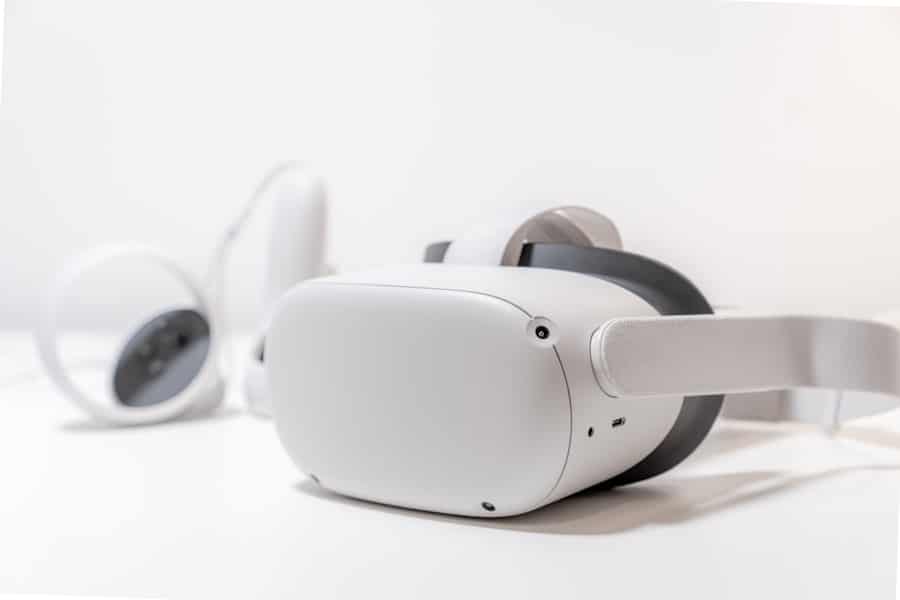
Training new technicians in auto body repair can be a daunting task, especially when it comes to conveying complex concepts and hands-on skills. Augmented reality provides an engaging and interactive platform for education that can significantly enhance learning outcomes. With AR applications, you can simulate real-world scenarios, allowing trainees to practice their skills in a safe and controlled environment.
This immersive experience helps reinforce theoretical knowledge while providing practical applications that are crucial for mastering the trade. Furthermore, AR can facilitate remote training sessions, enabling experienced technicians to guide novices from anywhere in the world. By sharing their perspective through AR technology, seasoned professionals can demonstrate techniques and provide feedback in real-time.
This not only accelerates the learning curve but also ensures that new technicians are well-prepared to tackle challenges they may face on the job. As you consider the future of training in auto body repair, it’s clear that augmented reality will play a pivotal role in shaping skilled professionals.
Advantages of Augmented Reality in Auto Body Repair
The integration of augmented reality into auto body repair offers numerous advantages that can significantly enhance operational efficiency and customer satisfaction. One of the most notable benefits is improved accuracy in repairs. With AR tools providing real-time data and visualizations, technicians can execute repairs with greater precision, reducing the likelihood of errors that could lead to costly rework or dissatisfied customers.
This level of accuracy not only saves time but also enhances the overall quality of service provided. In addition to accuracy, augmented reality can streamline workflows within the repair shop. By providing technicians with instant access to information about parts, procedures, and specifications, AR minimizes downtime and allows for more efficient task management.
You may find that technicians are able to complete repairs faster than ever before, leading to increased productivity and higher throughput for the shop. This efficiency translates into better service for customers, who appreciate timely repairs without compromising quality.
Challenges and Limitations of Using Augmented Reality in Auto Body Repair
While the benefits of augmented reality in auto body repair are compelling, there are also challenges and limitations that must be addressed. One significant hurdle is the initial investment required for AR technology. Implementing AR systems can be costly, particularly for smaller repair shops that may struggle to allocate funds for new equipment and software.
Additionally, ongoing maintenance and updates are necessary to keep the technology functioning optimally, which can further strain budgets. Another challenge lies in the learning curve associated with adopting new technology. Technicians who are accustomed to traditional methods may be resistant to change or require extensive training to become proficient with AR tools.
This transition period can temporarily disrupt workflows as staff adapt to new processes. As you consider integrating augmented reality into your shop, it’s essential to weigh these challenges against the potential benefits and develop a comprehensive plan for implementation.
Implementing Augmented Reality in Auto Body Repair Shops

Successfully implementing augmented reality in your auto body repair shop requires careful planning and execution. First and foremost, you should assess your specific needs and identify areas where AR can provide the most value. Whether it’s enhancing diagnostics, improving training programs, or streamlining workflows, having a clear understanding of your objectives will guide your decision-making process.
Once you’ve established your goals, it’s crucial to invest in the right technology and software solutions that align with your needs. Collaborating with AR vendors who specialize in automotive applications can help ensure that you select tools that are user-friendly and effective. Additionally, consider involving your team in the decision-making process; their insights and feedback can be invaluable in selecting solutions that will enhance their work experience.
Training your staff on how to use AR tools effectively is another critical step in the implementation process. Providing comprehensive training sessions will help ease any apprehensions about adopting new technology and empower your team to leverage AR’s full potential. As they become more comfortable with these tools, you’ll likely see improvements in efficiency and accuracy across your shop.
Future Developments and Innovations in Augmented Reality for Auto Body Repair
The future of augmented reality in auto body repair is brimming with potential innovations that could further revolutionize the industry. As technology continues to advance, we can expect more sophisticated AR applications that integrate artificial intelligence (AI) and machine learning capabilities. These developments could enable predictive diagnostics, where AR systems analyze historical data to anticipate potential issues before they arise.
Additionally, advancements in hardware will likely lead to lighter, more comfortable AR devices that technicians can wear throughout their workday without discomfort. Enhanced graphics and improved user interfaces will make it easier for technicians to interact with digital overlays seamlessly. As these innovations unfold, you may find that augmented reality becomes an even more integral part of daily operations within auto body repair shops.
Moreover, as customer expectations evolve, AR could play a pivotal role in enhancing customer engagement. Imagine a scenario where customers can use their smartphones or AR glasses to visualize proposed repairs on their vehicles before any work begins. This level of transparency not only builds trust but also empowers customers to make informed decisions about their vehicle maintenance.
The Impact of Augmented Reality on the Auto Body Repair Industry
In conclusion, augmented reality is poised to have a profound impact on the auto body repair industry by enhancing diagnostics, improving training processes, and streamlining workflows. As you explore the various applications of AR technology within your shop, you’ll likely discover numerous benefits that contribute to increased efficiency and customer satisfaction. While challenges exist in terms of implementation and adaptation, the long-term advantages far outweigh these obstacles.
As you look toward the future of auto body repair, embracing augmented reality will not only keep your shop competitive but also position you as a leader in innovation within the industry. By harnessing this transformative technology, you can elevate your services and create a more engaging experience for both technicians and customers alike. The journey into augmented reality is just beginning, and its potential to reshape the auto body repair landscape is truly exciting.
If you are interested in learning more about the latest advancements in automotive refinishing, check out The Art of Waterborne Paints: A Revolution in Automotive Refinishing. This article explores how waterborne paints are transforming the auto body repair industry and providing more environmentally friendly options for refinishing vehicles.
FAQs
What is augmented reality (AR) in the context of auto body repair?
Augmented reality (AR) in auto body repair refers to the use of technology to overlay digital information, such as diagnostic data or repair instructions, onto the real-world environment of a vehicle being worked on.
How does augmented reality enhance diagnosis in auto body repair?
AR can enhance diagnosis in auto body repair by providing technicians with real-time access to vehicle diagnostic information, such as error codes and sensor data, overlaid onto the physical components of the vehicle. This can streamline the diagnosis process and help technicians identify issues more efficiently.
How does augmented reality improve training in auto body repair?
AR can improve training in auto body repair by providing interactive and immersive training experiences for technicians. This can include virtual simulations of repair processes, overlaying step-by-step instructions onto physical vehicles, and providing real-time feedback on technique and performance.
What are the benefits of using augmented reality in auto body repair?
The benefits of using augmented reality in auto body repair include improved diagnostic accuracy, enhanced training experiences for technicians, increased efficiency in repair processes, and the potential for cost savings through reduced errors and rework.
Are there any challenges or limitations to using augmented reality in auto body repair?
Challenges and limitations to using augmented reality in auto body repair may include the initial cost of implementing AR technology, the need for training technicians to use the technology effectively, and potential technical issues with AR hardware or software. Additionally, ensuring the security and privacy of vehicle diagnostic data accessed through AR systems is a consideration.





