
Turbocharged engines have revolutionized the automotive landscape, offering a blend of power and efficiency that traditional engines often struggle to match. When you step on the accelerator of a turbocharged vehicle, you experience an exhilarating surge of power that can make even the most mundane drive feel like an adventure. The secret lies in the turbocharger itself, a device that forces more air into the engine’s combustion chamber, allowing for a more potent fuel-air mixture.
This results in increased horsepower and torque without significantly increasing engine size or weight. For you, this means that you can enjoy a thrilling driving experience while also benefiting from improved fuel economy. Moreover, turbocharged engines are becoming increasingly popular across various vehicle categories, from compact cars to high-performance sports models.
This versatility is one of the key reasons why you might find yourself drawn to a turbocharged vehicle. The technology allows manufacturers to create smaller, lighter engines that still deliver impressive performance. As you navigate through city streets or open highways, the responsiveness and acceleration of a turbocharged engine can make every journey feel dynamic and engaging.
The combination of power and efficiency is not just a trend; it represents a significant shift in how vehicles are designed and how you experience driving.
- Turbocharged engines provide increased power and efficiency
- Common issues with high-performance vehicles include turbo lag and overheating
- Finding the right parts for turbocharged repairs is crucial for optimal performance
- DIY turbocharged repairs require specialized knowledge and tools
- Regular maintenance is essential for the longevity of turbocharged engines
Common Issues with High-performance Vehicles
Overheating: A Common Problem
One of the most prevalent problems with turbocharged engines is overheating. Turbochargers generate significant heat during operation, and if your cooling system isn’t up to par, it can lead to engine damage. You might notice warning lights on your dashboard or experience a drop in performance, signaling that it’s time to pay attention to your vehicle’s cooling system.
Turbo Lag: A Frustrating Delay
Another issue you may face is turbo lag, which refers to the delay between pressing the accelerator and feeling the boost from the turbocharger. This can be particularly frustrating when you’re trying to make quick maneuvers or overtake another vehicle. Turbo lag can be influenced by various factors, including the size of the turbocharger and the tuning of your engine.
Enhancing Your Driving Experience
If you find yourself dealing with turbo lag, it may be worth exploring aftermarket solutions or adjustments to enhance your driving experience. By addressing these common issues, you can ensure that your turbocharged engine continues to deliver the performance you expect.
Finding the Right Parts for Turbocharged Repairs
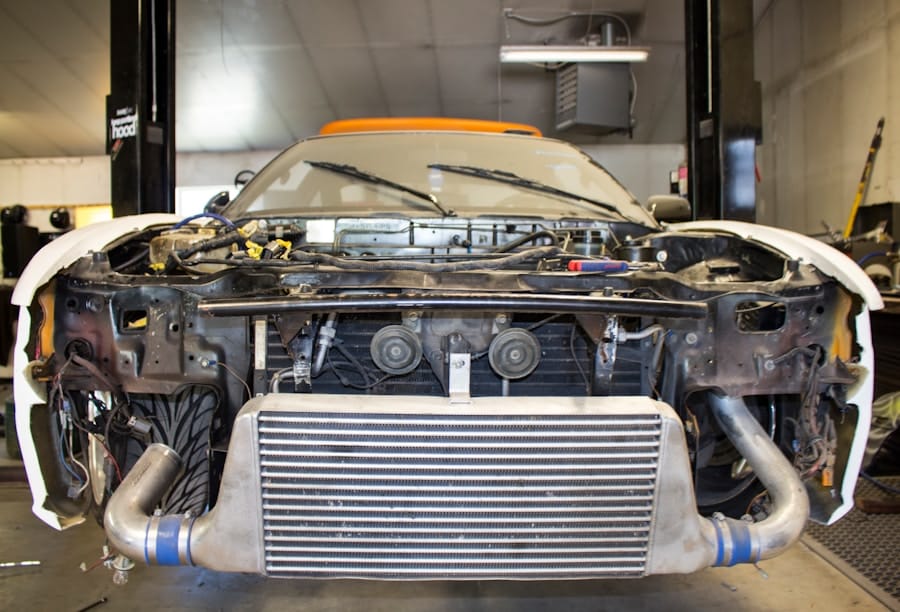
When it comes to maintaining or repairing your turbocharged engine, sourcing the right parts is crucial. You may find yourself overwhelmed by the sheer number of options available in the market. It’s essential to prioritize quality over cost; using subpar components can lead to further issues down the line.
Start by researching reputable suppliers who specialize in high-performance parts. Look for reviews and testimonials from other drivers who have had similar repairs done. This will help you build confidence in your choices and ensure that you’re investing in parts that will enhance your vehicle’s performance.
Additionally, consider whether you want to go with OEM (Original Equipment Manufacturer) parts or aftermarket alternatives. OEM parts are designed specifically for your vehicle model, ensuring compatibility and reliability. However, aftermarket parts can sometimes offer enhanced performance or better pricing options.
As you weigh your options, think about your long-term goals for your vehicle. Are you looking for a simple repair, or do you have aspirations for performance upgrades? Your answer will guide you in making informed decisions about which parts to purchase.
Tips for DIY Turbocharged Repairs
If you’re inclined to tackle repairs on your turbocharged engine yourself, there are several tips that can help you navigate the process successfully. First and foremost, ensure that you have a solid understanding of your vehicle’s mechanics. Familiarize yourself with the specific components of your turbocharged system, including the turbocharger itself, intercooler, and exhaust system.
Having a comprehensive knowledge base will empower you to diagnose issues more effectively and make informed decisions during repairs. Another essential tip is to invest in quality tools and equipment. Working on high-performance vehicles often requires specialized tools that may not be found in a standard toolbox.
Whether it’s a torque wrench for precise fittings or diagnostic equipment for troubleshooting, having the right tools at your disposal will make your repair process smoother and more efficient. Additionally, don’t hesitate to consult online forums or communities dedicated to turbocharged vehicles; these platforms can provide valuable insights and support from fellow enthusiasts who have faced similar challenges.
The Importance of Regular Maintenance for Turbocharged Engines
Regular maintenance is vital for keeping your turbocharged engine running smoothly and efficiently. As a driver, you should develop a routine that includes checking oil levels, inspecting air filters, and monitoring coolant levels. Turbocharged engines operate under higher pressures and temperatures than naturally aspirated engines, making them more susceptible to wear and tear if not properly maintained.
By staying proactive with maintenance tasks, you can prevent minor issues from escalating into costly repairs. Additionally, consider scheduling regular professional inspections of your vehicle. A qualified mechanic can identify potential problems before they become serious issues, saving you time and money in the long run.
During these inspections, pay close attention to components like the turbocharger itself, as well as hoses and connections that may wear out over time. By prioritizing regular maintenance, you’re not only extending the life of your engine but also ensuring that you continue to enjoy the exhilarating performance that turbocharged vehicles are known for.
Choosing the Right Mechanic for High-performance Repairs
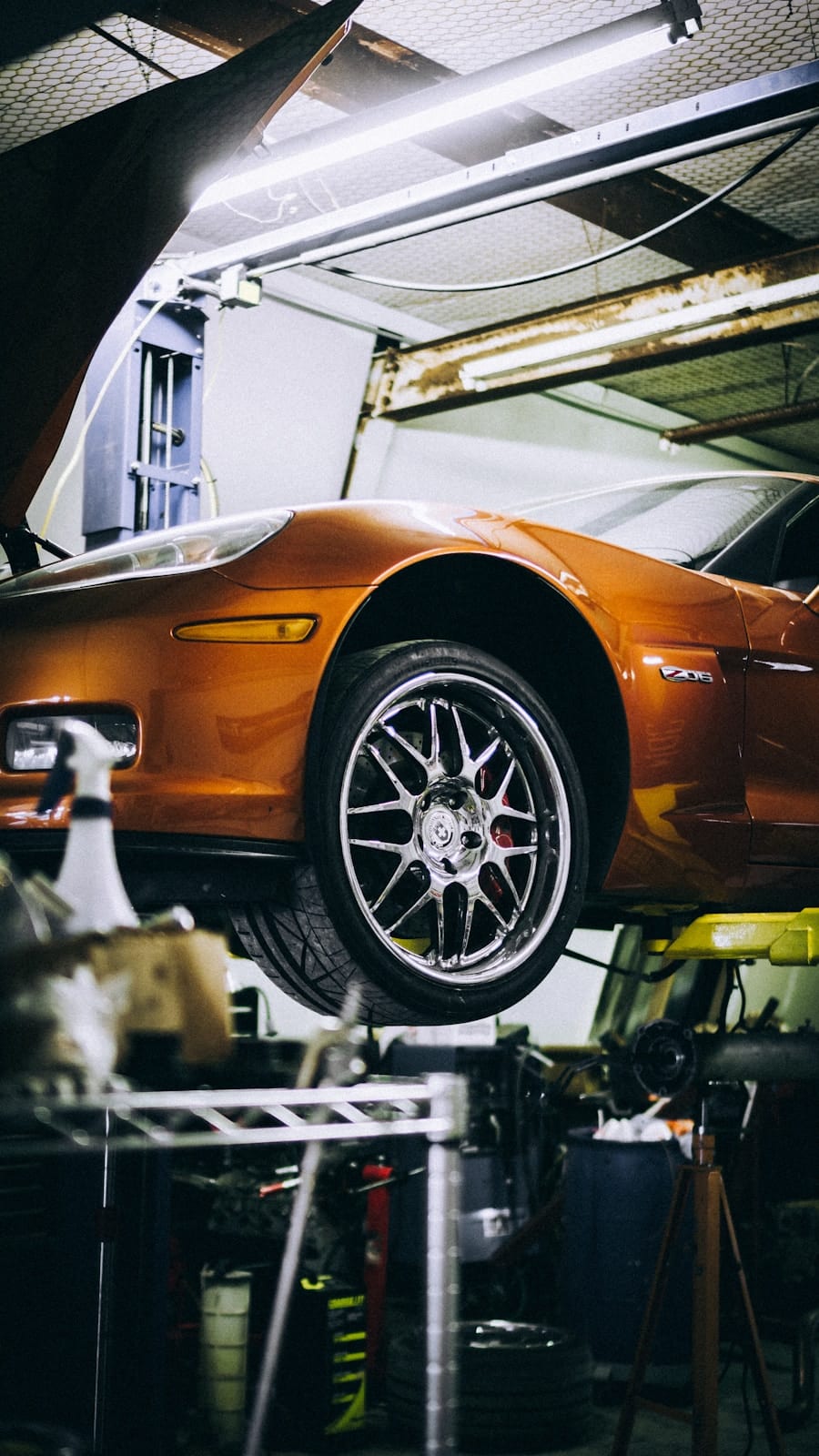
Selecting the right mechanic for your high-performance vehicle is crucial for ensuring quality repairs and maintenance. You want someone who understands the intricacies of turbocharged engines and has experience working with similar vehicles. Start by seeking recommendations from fellow enthusiasts or online communities dedicated to high-performance cars.
Personal referrals can lead you to skilled mechanics who have a proven track record in handling turbocharged repairs. Once you’ve narrowed down your options, take the time to visit potential mechanics in person. A reputable shop should be clean and organized, with knowledgeable staff who are willing to answer your questions.
Don’t hesitate to ask about their experience with turbocharged engines specifically; this will give you insight into their expertise and whether they are well-equipped to handle your vehicle’s needs. Trust is key when it comes to high-performance repairs; finding a mechanic who shares your passion for cars can make all the difference in your overall experience.
Turbocharged Tales: Real-life Stories of High-performance Repairs
Real-life stories from fellow drivers can provide valuable insights into the world of turbocharged repairs. For instance, one driver shared their experience with a sudden loss of power while driving on the highway. After some investigation, they discovered that a boost leak had developed due to a worn-out hose connection.
With some guidance from an online forum, they were able to source a replacement part and complete the repair themselves, ultimately saving money while gaining confidence in their mechanical skills. Another story highlights the importance of regular maintenance when one driver neglected their oil changes for an extended period. They soon faced catastrophic engine failure due to oil sludge buildup in their turbocharger.
This unfortunate incident serves as a reminder of how critical it is to adhere to maintenance schedules and keep an eye on oil quality—especially in high-performance vehicles where every component works harder than usual.
The Future of Turbocharged Technology in Automotive Repairs
As automotive technology continues to evolve, so too does the landscape of turbocharged engines and their associated repairs. The future promises even more advancements in efficiency and performance as manufacturers explore new materials and designs for turbochargers. You may soon see innovations such as variable geometry turbos that adjust their size based on engine speed or electric-assisted turbos that provide instant boost without lag.
Moreover, as electric vehicles gain traction in the market, hybrid systems combining electric motors with turbocharged engines may become more prevalent. This could lead to exciting new possibilities for performance while maintaining environmental consciousness. As a driver passionate about high-performance vehicles, staying informed about these developments will allow you to make educated decisions about your vehicle’s future—ensuring that you continue to enjoy the thrill of turbocharged power for years to come.
In conclusion, navigating the world of turbocharged engines requires knowledge, diligence, and a passion for performance. By understanding their power, recognizing common issues, sourcing quality parts, and prioritizing maintenance, you can ensure that your high-performance vehicle remains in peak condition. Whether you’re tackling repairs yourself or seeking professional help, being informed will empower you to make choices that enhance your driving experience while embracing the exciting future of automotive technology.
If you enjoyed reading about high-performance repairs in Turbocharged Tales, you may also be interested in learning about the science of paint curing and how it contributes to a durable finish. Check out this article to gain a deeper understanding of the process.
FAQs
What are high-performance repairs?
High-performance repairs refer to the maintenance and restoration of vehicles, machinery, or equipment that are designed for high levels of performance. This can include sports cars, racing vehicles, high-powered engines, and other specialized equipment.
What are some common examples of high-performance repairs?
Common examples of high-performance repairs include engine tuning, turbocharger installation and maintenance, suspension upgrades, brake system enhancements, and other modifications to improve the performance and handling of vehicles.
What skills are required for high-performance repairs?
High-performance repairs often require specialized knowledge and skills in automotive engineering, mechanical engineering, and advanced diagnostics. Technicians performing these repairs should have a deep understanding of high-performance systems and components.
What are the challenges of high-performance repairs?
Challenges of high-performance repairs include sourcing specialized parts, dealing with complex systems, and ensuring that modifications are done safely and effectively. Additionally, high-performance repairs often require a higher level of precision and attention to detail.
What are the benefits of high-performance repairs?
The benefits of high-performance repairs include improved vehicle performance, enhanced driving experience, and the ability to customize and optimize vehicles for specific purposes such as racing or off-road use. High-performance repairs can also increase the longevity and reliability of vehicles.





