When it comes to maintaining the aesthetic appeal and longevity of your vehicle, polishing and waxing are two essential processes that should not be overlooked. You might think of these tasks as mere cosmetic enhancements, but they serve a much deeper purpose. Polishing helps to remove imperfections from the paint surface, such as scratches, swirl marks, and oxidation.
This not only improves the visual appeal of your car but also protects the underlying paint from further damage. By investing time in polishing, you are essentially rejuvenating your vehicle’s exterior, allowing it to shine like new. Waxing, on the other hand, acts as a protective barrier against environmental elements.
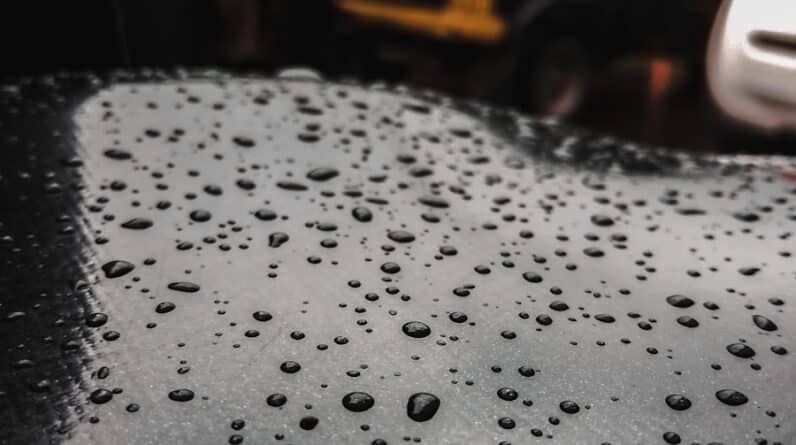
It shields your car’s paint from harmful UV rays, bird droppings, tree sap, and other contaminants that can lead to deterioration over time. When you apply wax, you create a hydrophobic layer that repels water, making it harder for dirt and grime to adhere to the surface. This means that not only does your car look great, but it also stays cleaner for longer periods.
Understanding the importance of these two processes can motivate you to incorporate them into your regular car maintenance routine, ensuring that your vehicle remains in top condition for years to come.
- Polishing and waxing are important for maintaining the appearance and protecting the paint of your car.
- Before polishing and waxing, it’s crucial to properly clean and dry the car to ensure the best results.
- Different polishing techniques include hand polishing, dual action polishing, and rotary polishing, each with its own benefits and drawbacks.
- When waxing, consider using spray wax, liquid wax, or paste wax, depending on your preferences and the condition of your car’s paint.
- Choosing the right products for polishing and waxing involves considering factors such as the type of paint, level of oxidation, and desired finish.
Preparing the Car for Polishing and Waxing
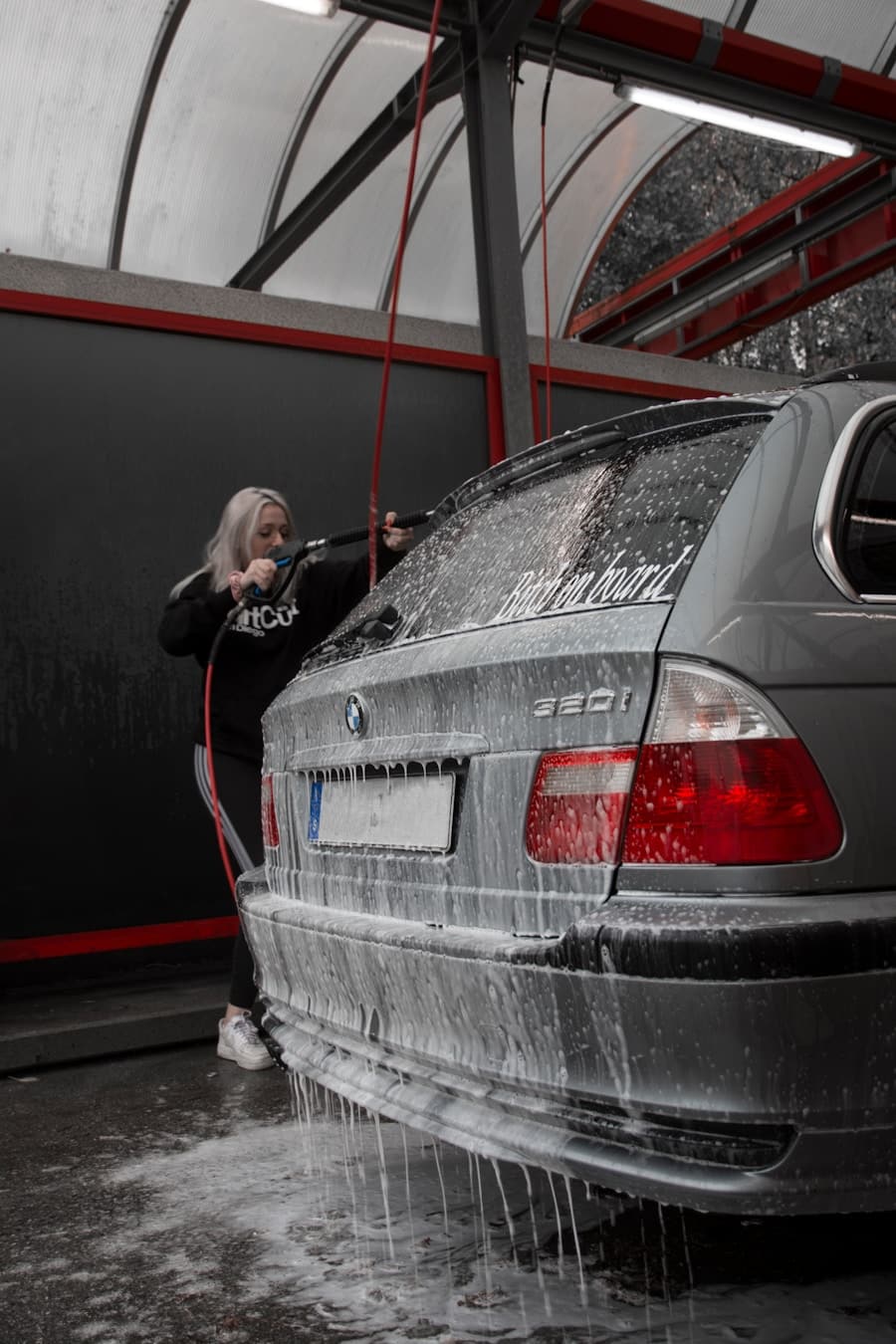
Before diving into the actual polishing and waxing processes, it’s crucial to prepare your car properly. The first step in this preparation is to wash your vehicle thoroughly. Use a high-quality car shampoo and a soft sponge or microfiber cloth to remove dirt and grime from the surface.
Pay special attention to areas where dirt tends to accumulate, such as around the wheel wells and under the bumpers. After washing, rinse your car with clean water and dry it using a microfiber towel to prevent water spots from forming. Once your car is clean and dry, inspect the paint for any imperfections that may need addressing before polishing.
Look for scratches, swirl marks, or areas of oxidation that could affect the final result. If you notice any significant blemishes, consider using a clay bar treatment to remove embedded contaminants that washing alone may not eliminate. This step will ensure that the surface is as smooth as possible before you begin polishing.
Proper preparation sets the stage for a successful polishing and waxing experience, allowing you to achieve the best possible results.
Different Polishing Techniques
When it comes to polishing your car, there are several techniques you can employ, each with its own advantages. One popular method is using a dual-action polisher, which combines rotary and orbital motions to effectively remove imperfections without risking damage to the paint. This tool is particularly beneficial for beginners, as it is easier to control and less likely to create swirl marks compared to traditional rotary polishers.
If you choose this method, be sure to use a suitable polishing pad and compound designed for your specific paint type. Another technique involves hand polishing, which can be more labor-intensive but allows for greater control over the process. This method is ideal for smaller areas or touch-ups where precision is key.
You can use a foam applicator pad or a microfiber cloth to apply the polish in circular motions, ensuring even coverage. Hand polishing may take longer than using a machine, but it can be particularly satisfying as you see the results unfold with each stroke. Regardless of the technique you choose, remember that patience is essential; taking your time will yield better results and help you avoid potential mistakes.
Different Waxing Techniques
Just as there are various polishing techniques, waxing your car can also be approached in different ways. One common method is applying wax by hand using an applicator pad or microfiber cloth. This technique allows you to work in small sections at a time, ensuring even coverage and thorough application.
When applying wax by hand, use circular motions and apply light pressure to avoid creating swirl marks on the surface. This method is particularly effective for those who enjoy a hands-on approach and want to connect with their vehicle during the process. Alternatively, you might consider using a machine waxer for larger vehicles or when you want to save time.
A dual-action polisher can also be used for waxing; just make sure to switch to a softer pad designed specifically for wax application. This method can help you cover more area quickly while still achieving a high-quality finish. Regardless of which technique you choose, always follow the manufacturer’s instructions regarding application and curing times to ensure optimal results.
Choosing the Right Products for Polishing and Waxing
Selecting the right products for polishing and waxing is crucial for achieving the best results while protecting your vehicle’s paint. When it comes to polish, look for products that are specifically formulated for your car’s paint type—whether it’s clear coat or single-stage paint. Consider factors such as the severity of imperfections you’re dealing with; some polishes are designed for heavy correction while others are more suited for light touch-ups.
Reading reviews and seeking recommendations from fellow car enthusiasts can help guide your choices. For waxing, you’ll find a variety of options available on the market, including natural waxes like carnauba and synthetic waxes that offer long-lasting protection. Carnauba wax is known for its deep shine and warmth but may require more frequent reapplication.
Synthetic waxes often provide superior durability and ease of application but may lack some of the depth of shine associated with natural products. Ultimately, your choice will depend on your personal preferences and how much time you’re willing to invest in maintenance.
Step-by-Step Guide for Polishing and Waxing
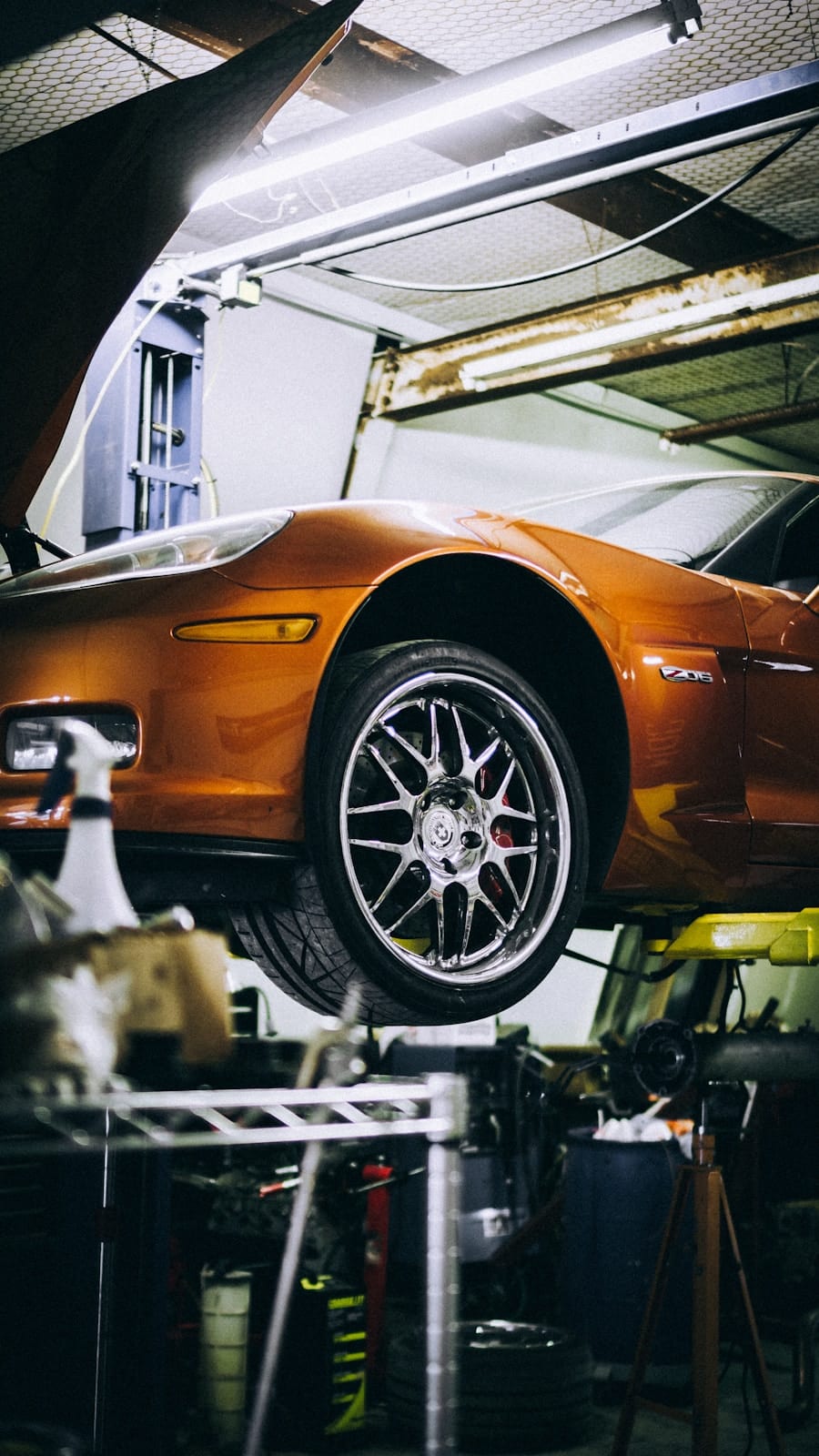
To achieve a professional-looking finish on your vehicle, follow this step-by-step guide for polishing and waxing. Start by gathering all necessary supplies: car shampoo, microfiber towels, clay bar kit, polish, wax, applicator pads, and a dual-action polisher if you choose to use one. Begin by washing your car thoroughly to remove any dirt or debris that could cause scratches during polishing.
Once your car is clean and dry, use a clay bar treatment to eliminate any embedded contaminants on the paint surface. After this step, inspect the paint closely for imperfections that need addressing with polish. If using a dual-action polisher, apply a small amount of polish onto the pad and work in sections at low speed before gradually increasing it as needed.
For hand polishing, apply polish directly onto an applicator pad and work in circular motions until the desired results are achieved. After polishing is complete, wipe away any residue with a clean microfiber towel before moving on to waxing. Apply wax using either an applicator pad or machine waxer in small sections, allowing it to haze before buffing it off with a clean towel.
Repeat this process until the entire vehicle is covered in wax. Finally, take a step back and admire your hard work; your car should now have a brilliant shine that not only looks great but also offers protection against environmental elements.
Tips for Maintaining a Polished and Waxed Car
Once you’ve invested time in polishing and waxing your vehicle, maintaining that pristine appearance becomes essential. Regular washing is key; aim to wash your car every two weeks or more frequently if you live in an area with harsh weather conditions or heavy pollution. Use a pH-balanced car shampoo that won’t strip away the wax layer while cleaning effectively.
In addition to regular washing, consider applying a quick detailer spray between wax applications to enhance shine and provide additional protection against contaminants. This product can help maintain that freshly polished look without requiring full reapplication of wax every few months. Lastly, park your vehicle in shaded areas whenever possible or use a car cover when parked outdoors; this will help protect against UV rays that can fade paint over time.
Professional Polishing and Waxing Services
While many car enthusiasts enjoy taking on the challenge of polishing and waxing their vehicles themselves, there are times when seeking professional services may be beneficial. If your car has significant paint damage or if you simply lack the time or tools necessary for effective DIY maintenance, professional detailing services can provide expert care that ensures optimal results. Professional detailers have access to high-quality products and advanced techniques that can restore your vehicle’s appearance beyond what might be achievable at home.
They can also offer additional services such as paint correction or ceramic coating application for long-lasting protection against environmental elements. Investing in professional services can save you time while ensuring that your vehicle receives the best possible care. In conclusion, understanding the importance of polishing and waxing is vital for maintaining your vehicle’s appearance and longevity.
By preparing properly, choosing the right techniques and products, following a step-by-step guide, and considering professional services when necessary, you can keep your car looking its best while protecting its value over time.
If you are interested in learning more about the latest advancements in automotive refinishing, check out The Art of Waterborne Paints: A Revolution in Automotive Refinishing. This article explores how waterborne paints have transformed the industry and offers valuable insights for auto body repair professionals.
FAQs
What are the different techniques for polishing an automobile?
There are several techniques for polishing an automobile, including hand polishing, machine polishing, and dual action polishing. Each technique has its own advantages and is used based on the condition of the vehicle’s paint and the desired level of finish.
What is hand polishing and how is it done?
Hand polishing is the process of using a polishing compound and a microfiber cloth to manually remove imperfections and restore shine to the paint. It involves applying the compound in small sections and using circular motions to work it into the paint.
What is machine polishing and how is it done?
Machine polishing involves using a rotary or dual action polisher to apply a polishing compound to the paint. This technique is more efficient than hand polishing and can achieve a higher level of finish. It is important to use the correct pads and compounds for the specific paint type to avoid damaging the paint.
What is dual action polishing and how is it done?
Dual action polishing, also known as orbital polishing, uses a dual action polisher that oscillates and rotates at the same time. This technique is safer for beginners as it is less likely to cause paint damage compared to a rotary polisher. It is done by applying the polishing compound to the paint and using the dual action polisher to work it in.
What are the different techniques for waxing an automobile?
There are several techniques for waxing an automobile, including hand waxing, machine waxing, and spray waxing. Each technique has its own advantages and is used based on the desired level of protection and shine.
What is hand waxing and how is it done?
Hand waxing involves applying a wax product to the paint using a foam applicator pad or microfiber cloth. The wax is applied in small sections and then buffed off with a clean microfiber cloth to leave a protective layer on the paint.
What is machine waxing and how is it done?
Machine waxing uses a dual action polisher or buffer to apply a wax product to the paint. This technique is more efficient than hand waxing and can achieve a more even coverage. It is important to use the correct pads and speed settings to avoid damaging the paint.
What is spray waxing and how is it done?
Spray waxing involves using a spray-on wax product that is applied directly to the paint and then wiped off with a microfiber cloth. This technique is quick and easy to apply, making it a popular choice for maintenance waxing between more intensive detailing sessions.