When we think about vehicle maintenance, tire care often takes a backseat to more visible issues like oil changes or brake inspections. However, regular tire rotation is a crucial aspect of vehicle upkeep that we should not overlook. By rotating our tires at recommended intervals, we can ensure even wear across all four tires, which ultimately extends their lifespan and enhances our vehicle’s performance.
This simple yet effective practice can save us money in the long run by delaying the need for premature tire replacements. Moreover, regular tire rotation contributes significantly to our safety on the road. Tires that wear unevenly can lead to compromised handling and stability, especially in adverse weather conditions.
By maintaining balanced tire wear, we improve traction and control, reducing the risk of accidents. In essence, tire rotation is not just about prolonging the life of our tires; it is also about ensuring that we drive safely and confidently, knowing that our vehicle is equipped with tires that are in optimal condition.
- Regular tire rotation is important for maintaining even wear and extending the lifespan of your tires.
- Understanding the causes of uneven wear and tear can help you identify and address potential issues with your tires.
- Factors such as driving habits, vehicle weight distribution, and tire inflation levels can contribute to uneven wear and tear on your tires.
- The benefits of regular tire rotation include improved traction, better fuel efficiency, and a smoother ride.
- Tires should typically be rotated every 6,000 to 8,000 miles, or as recommended by your vehicle manufacturer.
Understanding Uneven Wear and Tear
To appreciate the importance of tire rotation, we must first understand what uneven wear and tear means. Uneven tire wear occurs when one or more tires experience more wear than others, leading to imbalances that can affect our vehicle’s handling and performance. This phenomenon can manifest in various patterns, such as cupping, bald spots, or excessive wear on the inner or outer edges of the tire tread.
Recognizing these patterns is essential for diagnosing potential issues with our vehicle’s alignment or suspension. Uneven wear can be a silent problem that creeps up on us over time. Initially, we may not notice any significant changes in our driving experience, but as the wear progresses, we might find ourselves facing challenges like reduced traction or increased road noise.
Understanding the signs of uneven wear allows us to take proactive measures, such as scheduling a tire rotation or seeking professional assistance to address underlying issues. By being vigilant about our tires’ condition, we can maintain a smoother and safer driving experience.
Factors Contributing to Uneven Wear and Tear
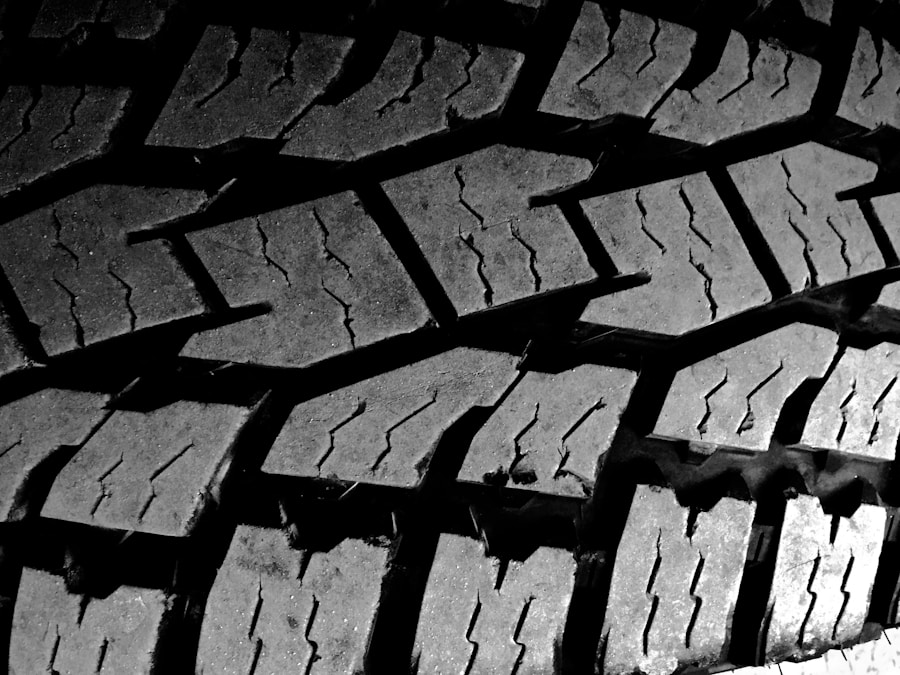
Several factors contribute to uneven tire wear, and understanding these elements can help us mitigate their effects. One of the primary culprits is improper tire inflation. When our tires are overinflated or underinflated, they do not make even contact with the road surface, leading to uneven wear patterns.
Regularly checking and maintaining the correct tire pressure is essential for ensuring that all four tires wear evenly. Another significant factor is misalignment. If our vehicle’s wheels are not aligned correctly, it can cause certain tires to bear more weight than others, resulting in accelerated wear on those specific tires.
Additionally, driving habits play a role; aggressive acceleration, hard braking, and sharp cornering can all contribute to uneven wear. By adopting smoother driving techniques and being mindful of our vehicle’s alignment and tire pressure, we can significantly reduce the likelihood of uneven wear and extend the life of our tires.
Benefits of Regular Tire Rotation
The benefits of regular tire rotation extend beyond just prolonging tire life; they encompass improved safety, enhanced fuel efficiency, and better overall vehicle performance. When we rotate our tires regularly, we promote even tread wear across all four tires, which helps maintain optimal traction and handling. This is particularly important in adverse weather conditions where grip is crucial for safe driving.
Additionally, regular tire rotation can lead to improved fuel efficiency. When our tires are worn evenly, they create less rolling resistance against the road surface, allowing our vehicle to operate more efficiently. This means we can save money at the pump while also reducing our carbon footprint.
In essence, regular tire rotation is a simple yet effective way to enhance our driving experience while also being environmentally conscious.
How Often Should Tires be Rotated?
Determining how often we should rotate our tires can depend on several factors, including our vehicle type, driving habits, and the manufacturer’s recommendations. As a general rule of thumb, many experts suggest rotating tires every 5,000 to 7,500 miles. However, it is essential to consult our vehicle’s owner manual for specific guidelines tailored to our make and model.
In addition to mileage, we should also consider our driving conditions. If we frequently drive on rough terrain or in extreme weather conditions, we may need to rotate our tires more often to counteract the increased wear. By staying attuned to both mileage and driving conditions, we can establish a routine that ensures our tires remain in optimal condition throughout their lifespan.
DIY Tire Rotation vs Professional Service

When it comes to tire rotation, we have the option of doing it ourselves or seeking professional service. For those of us who are mechanically inclined and have access to the necessary tools, DIY tire rotation can be a rewarding experience. It allows us to take control of our vehicle maintenance while saving money on labor costs.
However, it is crucial that we follow proper procedures and safety precautions when attempting a DIY rotation. On the other hand, opting for professional service has its advantages as well. Professional mechanics have the expertise and equipment to perform tire rotations efficiently and safely.
They can also identify any underlying issues that may be contributing to uneven wear or other tire-related problems. For those who may not feel comfortable tackling this task on their own or who simply prefer convenience, professional service is often the best choice.
Signs of Uneven Wear and Tear
Being able to recognize the signs of uneven wear and tear is vital for maintaining our tires’ health. One of the most common indicators is visual inspection; if we notice any irregularities in tread depth or patterns—such as bald spots or excessive wear on one side—we should take immediate action. Additionally, changes in handling or increased road noise can signal that our tires are not performing as they should.
Another sign to watch for is vibration while driving. If we feel unusual vibrations through the steering wheel or seat, it could indicate an imbalance caused by uneven tire wear or other mechanical issues. By staying vigilant and addressing these signs promptly, we can prevent further damage and ensure a safer driving experience.
Maintaining Tire Health through Regular Rotation
In conclusion, maintaining tire health through regular rotation is an essential practice that benefits both our vehicles and our safety on the road. By understanding the importance of even tire wear and recognizing the factors that contribute to uneven wear, we can take proactive steps to extend the life of our tires and enhance our driving experience. The benefits of regular tire rotation—improved safety, better fuel efficiency, and enhanced performance—are well worth the effort.
As we navigate our busy lives, let us not forget the significance of this simple maintenance task. Whether we choose to rotate our tires ourselves or seek professional assistance, making tire rotation a priority will ultimately lead to a smoother ride and greater peace of mind behind the wheel. By committing to regular tire care, we invest not only in our vehicles but also in our safety and well-being on the road.
Regular tire rotation is just one aspect of preventive maintenance that can help extend the life of your vehicle. In addition to rotating your tires, it is important to also consider other maintenance tasks such as checking your brakes, changing your oil, and keeping up with regular tune-ups. For more information on preventive maintenance tips, check out this helpful article here. By staying on top of these tasks, you can ensure that your vehicle stays in top condition and avoid costly repairs down the road.
FAQs
What is tire rotation?
Tire rotation is the practice of moving the tires of a vehicle from one position to another in order to ensure even wear and tear on all tires.
Why is tire rotation important?
Tire rotation is important because it helps to ensure that all tires wear evenly, which can extend the lifespan of the tires and improve overall vehicle performance.
How often should tire rotation be done?
Tire rotation should typically be done every 6,000 to 8,000 miles, or as recommended by the vehicle manufacturer. It is important to check the owner’s manual for specific recommendations.
What are the benefits of regular tire rotation?
Regular tire rotation can help to prevent uneven wear and tear on the tires, improve traction and handling, and extend the overall lifespan of the tires.
What happens if tire rotation is not done regularly?
If tire rotation is not done regularly, the tires may wear unevenly, leading to decreased traction, poor handling, and the need for premature tire replacement.
Can I rotate my tires myself?
While it is possible to rotate tires yourself, it is recommended to have tire rotation done by a professional to ensure that it is done correctly and safely.