
When we think about purchasing a car, the color often plays a significant role in our decision-making process. The hue we choose not only reflects our personal style but also has practical implications for maintenance and repair needs. Car color can influence how often we need to wash our vehicles, how visible they are on the road, and even how well they hold up against the elements.
As we delve into the relationship between car color and maintenance, we will uncover the nuances that can help us make informed choices when selecting our next vehicle. Understanding the impact of car color on maintenance is essential for any car owner. While some may prioritize aesthetics, others may find themselves grappling with the practicalities of upkeep.
From the frequency of washing to the visibility of scratches and dents, the color of our cars can dictate how much time and money we invest in their maintenance. By exploring these factors, we can better appreciate the interplay between our preferences and the realities of car ownership.
- Dark colored cars show more visible scratches and swirl marks, requiring more frequent maintenance
- Light colored cars are less prone to showing scratches and swirl marks, but may require more frequent cleaning to maintain their appearance
- When choosing a car color, consider the climate, frequency of use, and personal preference
- Common repairs for different colored cars include paint touch-ups for dark colors and frequent washing for light colors
- Environmental factors such as sunlight and pollution can affect the maintenance needs of different colored cars
The Impact of Dark Colors on Repair Needs
Visibility of Imperfections
One of the most notable issues is that dark colors tend to show dirt, dust, and scratches more prominently than lighter shades. This means that we may find ourselves washing our vehicles more frequently to maintain that pristine appearance. Additionally, any minor blemishes can become glaringly obvious, prompting us to consider repairs sooner than we might with a lighter-colored car.
Heat Absorption and UV Damage
Dark colors can absorb more heat from the sun, which can lead to accelerated wear and tear on the paint and interior materials. This increased exposure to UV rays can cause fading and deterioration over time, necessitating more frequent touch-ups or even a complete repainting.
The Commitment to Maintenance
As we navigate the world of dark-colored vehicles, it becomes clear that while they may be visually striking, they require a commitment to regular maintenance to keep them looking their best.
The Effects of Light Colors on Maintenance
In contrast to their darker counterparts, light-colored cars—such as white, silver, or pastel shades—tend to be more forgiving when it comes to maintenance. These colors are less likely to show dirt and grime, allowing us to go longer between washes without feeling self-conscious about our vehicle’s appearance. Additionally, light colors reflect sunlight rather than absorb it, which can help keep the interior cooler and reduce the risk of fading over time.
This characteristic can lead to lower maintenance costs in the long run, as we may not need to invest as much in repairs or touch-ups. However, light-colored cars are not without their challenges. While they may hide dirt well, they can be more susceptible to showing stains from bird droppings or tree sap.
These blemishes can be more difficult to remove from lighter surfaces, potentially leading to more frequent detailing or cleaning efforts. As we weigh the pros and cons of light-colored vehicles, it becomes evident that while they may offer some advantages in terms of maintenance, they still require attention to keep them looking fresh and clean.
Factors to Consider When Choosing a Car Color
When selecting a car color, there are several factors we should consider beyond mere aesthetics. One crucial aspect is our local climate. For instance, if we live in an area with intense sunlight, opting for a lighter color may be beneficial in terms of heat absorption and fading.
Conversely, those in colder climates might prefer darker colors that can absorb warmth during chilly months. Understanding how our environment interacts with different colors can help us make a more informed choice. Another factor to consider is resale value.
Certain colors tend to hold their value better than others in the used car market. Neutral colors like white, gray, and black often appeal to a broader range of buyers, making them easier to sell down the line. On the other hand, bold or unconventional colors may limit our potential buyer pool when it comes time to part with our vehicle.
By taking resale value into account alongside personal preference, we can strike a balance that serves both our immediate desires and long-term goals.
Common Repairs for Different Colored Cars
Regardless of color, all cars will eventually require repairs; however, the type and frequency of these repairs can vary based on color. For dark-colored vehicles, common repairs often include paint touch-ups due to scratches that are more visible against the darker backdrop. Additionally, we may find ourselves needing to address issues related to fading or discoloration caused by prolonged sun exposure.
Regular waxing and protective coatings can help mitigate these problems but require diligence on our part. In contrast, light-colored cars may face different repair challenges. While they might not show dirt as easily, they can be prone to staining from environmental factors like bird droppings or tree sap.
These stains can sometimes lead to permanent discoloration if not addressed promptly. Furthermore, light colors may require more frequent detailing to maintain their brightness and shine. Understanding these common repair needs based on color can help us prepare for the inevitable upkeep that comes with car ownership.
Car Color and Environmental Factors
Environmental Factors Affecting Car Color
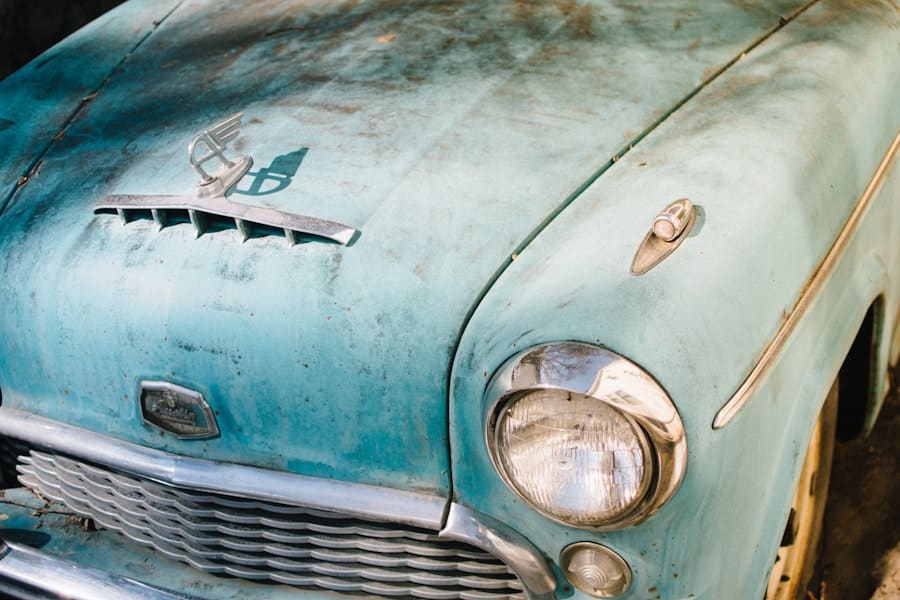
The environment plays a significant role in how well a car’s color holds up over time. Factors such as UV exposure, humidity levels, and even pollution can impact the longevity of a vehicle’s paint job. For instance, in areas with high UV exposure, dark-colored cars may fade more quickly than lighter ones due to their heat-absorbing properties.
Geographic Location and Car Color Preferences
Conversely, in regions with high humidity or pollution levels, light-colored cars may show signs of wear more rapidly due to staining from environmental contaminants. Additionally, geographic location can influence our choice of car color based on local trends and preferences. In urban areas where visibility is crucial for safety, brighter colors may be favored for their ability to stand out in traffic.
Making Informed Choices
In contrast, rural areas might see a preference for darker shades that blend in with natural surroundings. By considering these environmental factors alongside personal preferences, we can make choices that align with both our lifestyle and the conditions in which we live.
Tips for Maintaining Different Colored Cars
To keep our vehicles looking their best regardless of color, there are several maintenance tips we can follow. For dark-colored cars, regular washing is essential to prevent dirt buildup and minimize the visibility of scratches. Using high-quality wax or sealant can also provide an extra layer of protection against UV rays and environmental contaminants.
Additionally, parking in shaded areas whenever possible can help reduce sun exposure and prolong the life of the paint. For light-colored vehicles, prompt attention to stains is key. We should clean any bird droppings or tree sap as soon as possible to prevent permanent discoloration.
Regular detailing can help maintain brightness and shine while protecting against environmental damage. Furthermore, using a ceramic coating can provide an added layer of protection against stains and fading for both light and dark-colored cars alike.
Conclusion and Final Considerations
In conclusion, the color of our cars significantly impacts their maintenance needs and overall longevity. While dark colors may offer a sleek aesthetic, they often require more frequent upkeep due to their tendency to show dirt and scratches more prominently. On the other hand, light colors provide some advantages in terms of hiding grime but come with their own set of challenges regarding stains and fading.
As we navigate our choices in car color, it is essential to consider various factors such as climate, resale value, and environmental influences. By understanding how these elements interact with our preferences, we can make informed decisions that align with both our style and practical needs. Ultimately, whether we choose a bold dark hue or a subtle light shade, regular maintenance will be key in ensuring our vehicles remain in top condition for years to come.
According to a recent article on autobodyrepairhq.com, advancements in collision avoidance technology can help protect your investment by reducing the likelihood of accidents and the need for costly repairs. This is especially important when considering how the color of a car may affect the types of repairs it may need over time. Additionally, it’s worth exploring the warranty coverage for car repairs, as discussed in another informative article on autobodyrepairhq.com. And if you do find yourself in need of auto body repair in Madison, Wisconsin, be sure to check out the recommendations in the article on autobodyrepairhq.com.
FAQs
What factors can affect the types of repairs a car may need over time?
Factors that can affect the types of repairs a car may need over time include the make and model of the car, the age of the car, the driving habits of the owner, the maintenance history of the car, and the environmental conditions in which the car is driven.
Does the color of a car affect the types of repairs it may need over time?
There is no scientific evidence to suggest that the color of a car directly affects the types of repairs it may need over time. However, certain colors may show scratches or dents more prominently, which may lead to cosmetic repairs being more noticeable.
What are some common types of repairs that cars may need over time?
Common types of repairs that cars may need over time include brake repairs, suspension repairs, engine repairs, transmission repairs, electrical system repairs, and body repairs.
Are there any specific car colors that are more prone to certain types of repairs?
There is no evidence to suggest that specific car colors are more prone to certain types of repairs. However, darker colors may show scratches and swirl marks more prominently, while lighter colors may show dirt and grime more easily.
What can car owners do to minimize the need for repairs over time?
Car owners can minimize the need for repairs over time by following the manufacturer’s recommended maintenance schedule, driving carefully and avoiding aggressive driving habits, keeping the car clean and protected from environmental damage, and addressing any issues promptly to prevent further damage.





