
When it comes to protecting your vehicle from the elements, understanding undercoating and rustproofing products is essential. Undercoating is a protective layer applied to the underside of your vehicle, designed to shield it from moisture, dirt, and road salt. This layer acts as a barrier against corrosion, which can significantly extend the lifespan of your automobile.
On the other hand, rustproofing products are specifically formulated to prevent rust from forming on various surfaces of your vehicle, including the body and frame. These products often penetrate the metal, creating a protective seal that inhibits moisture and oxygen from causing damage. You may find that there are various types of undercoating and rustproofing products available on the market, each with its unique formulation and application method.
Some products are oil-based, while others are rubberized or wax-based. Understanding the differences between these options can help you make an informed decision about which product is best suited for your vehicle’s needs. Additionally, knowing the specific areas of your car that require protection can guide you in selecting the right product for optimal results.
- Undercoating and rustproofing products help protect the automobile from corrosion and rust caused by exposure to moisture, salt, and other environmental factors.
- Proper preparation of the automobile, including cleaning and drying the undercarriage, is essential before applying undercoating and rustproofing products.
- When applying undercoating, it is important to ensure that the product is evenly and thoroughly sprayed onto the undercarriage of the automobile.
- Rustproofing products should be applied to areas prone to rust, such as the wheel wells, door panels, and other vulnerable areas of the automobile.
- To ensure effective application, it is important to follow the manufacturer’s instructions for drying and curing the undercoating and rustproofing products. Regular maintenance and reapplication of these products can help prolong the lifespan of the automobile and prevent corrosion.
Preparing the Automobile for Application
Before you begin applying undercoating or rustproofing products, proper preparation of your automobile is crucial. Start by thoroughly cleaning the vehicle, focusing on the undercarriage and any areas where you plan to apply the protective coatings. Use a pressure washer or hose to remove dirt, grime, and any existing rust.
If you encounter stubborn rust spots, consider using a wire brush or sandpaper to remove them completely. This step is vital because any contaminants left on the surface can hinder the adhesion of the protective products. Once the vehicle is clean, allow it to dry completely.
Moisture can compromise the effectiveness of both undercoating and rustproofing products, so ensure that every nook and cranny is free from water. If you’re working in a humid environment, consider using a heat gun or hairdryer to expedite the drying process. After drying, inspect the surface for any remaining rust or damage that may need attention before applying your chosen product.
Taking these preparatory steps will ensure that you achieve the best possible results when it comes time to apply your undercoating or rustproofing.
Applying Undercoating to the Automobile
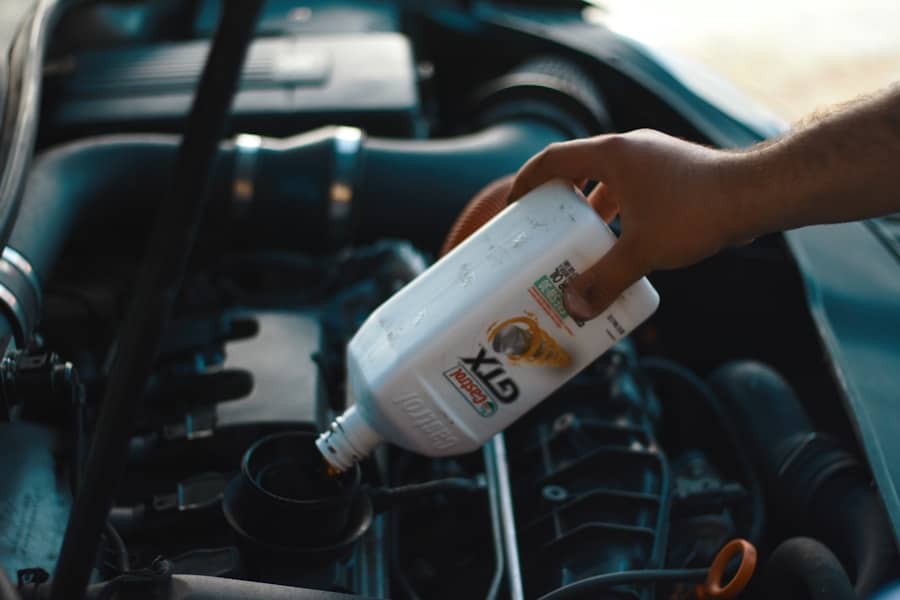
With your vehicle prepped and ready, it’s time to apply the undercoating. Begin by selecting a suitable undercoating product that meets your needs. Many people opt for spray-on undercoating due to its ease of application and ability to reach difficult areas.
Before you start spraying, make sure to wear appropriate safety gear, including gloves and a mask, as some undercoating products can emit harmful fumes. When applying the undercoating, hold the spray can or applicator about 12 inches away from the surface and use even strokes to ensure an even coat. Start from one end of the vehicle and work your way to the other, paying special attention to areas prone to rust, such as wheel wells and seams.
It’s important not to rush this process; applying multiple thin coats is often more effective than one thick coat. Allow each layer to dry according to the manufacturer’s instructions before applying additional coats. This method will help create a robust barrier against moisture and corrosion.
Applying Rustproofing Products to the Automobile
After successfully applying undercoating, you can move on to rustproofing your vehicle. Rustproofing products are typically available in spray or liquid form and are designed to penetrate metal surfaces effectively. Before application, ensure that the undercoating has fully cured; this will provide a solid foundation for the rustproofing layer.
When applying rustproofing products, focus on areas that are particularly vulnerable to rust formation, such as door panels, trunk seams, and any exposed metal surfaces. If you’re using a spray product, maintain a consistent distance from the surface to avoid drips or uneven coverage. For liquid rustproofing solutions, consider using a brush or roller for more precise application in tight spaces.
As with undercoating, multiple thin layers are preferable for achieving optimal protection. Allow each layer to dry thoroughly before proceeding with additional applications.
Tips for Effective Application
To ensure that your undercoating and rustproofing applications are effective, consider a few key tips. First, always read and follow the manufacturer’s instructions carefully. Each product may have specific requirements regarding application techniques, drying times, and safety precautions that are crucial for achieving the best results.
Additionally, working in a well-ventilated area is essential; this not only helps disperse fumes but also allows for better drying conditions. Timing is also important when applying these protective coatings. Ideally, you should perform this task during dry weather when temperatures are moderate.
Extreme temperatures can affect how well the products adhere and cure. If you’re unsure about conditions outside, consider using a garage or covered area where you can control humidity and temperature levels more effectively.
Drying and Curing Process
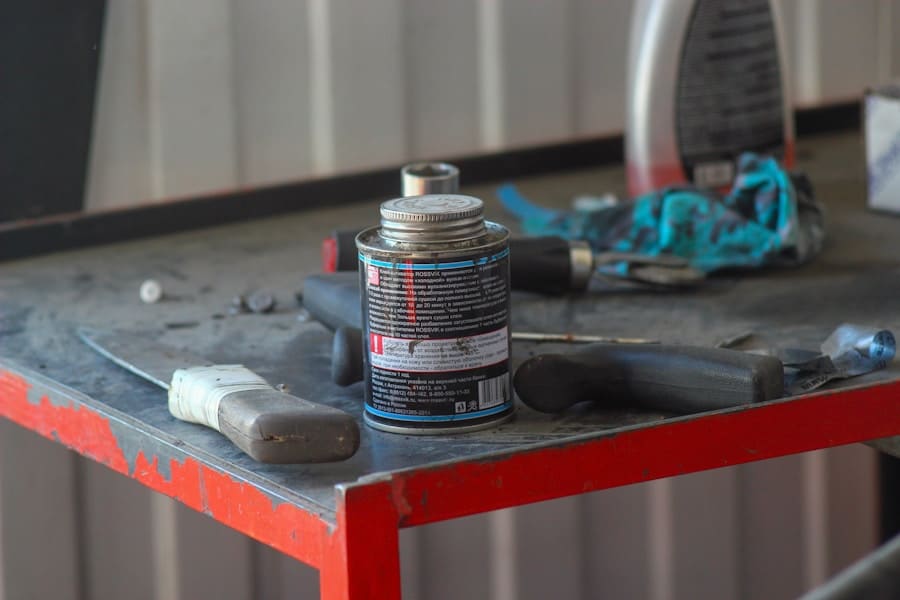
Once you’ve applied both undercoating and rustproofing products, it’s essential to allow adequate time for drying and curing. The drying time can vary based on factors such as temperature, humidity, and the specific products used. Generally speaking, most undercoating products will be touch-dry within a few hours but may require up to 24 hours or more for full curing.
During this curing period, avoid exposing your vehicle to moisture or extreme temperatures. If possible, keep it in a controlled environment where airflow is good but humidity is low. This will help ensure that both layers cure properly without any interference from external elements.
Patience during this stage is key; rushing it could compromise the effectiveness of your protective coatings.
Maintenance and Reapplication
To maintain the protective benefits of your undercoating and rustproofing efforts, regular inspections are necessary. Periodically check for any signs of wear or damage, especially after harsh weather conditions or road trips through salty environments. If you notice any areas where the coating has worn away or where rust is beginning to form again, it’s essential to address these issues promptly.
Reapplication may be necessary every few years depending on your driving conditions and climate exposure. Keeping a maintenance schedule can help you stay ahead of potential issues before they escalate into more significant problems. By being proactive about maintenance and reapplication, you can significantly extend the life of your vehicle while ensuring it remains protected against corrosion.
Benefits of Undercoating and Rustproofing
The benefits of undercoating and rustproofing your vehicle cannot be overstated. One of the most significant advantages is enhanced longevity; by protecting your car from rust and corrosion, you can extend its lifespan considerably. This not only saves you money on repairs but also helps maintain its resale value over time.
Additionally, these protective measures contribute to improved safety on the road. Rust can weaken structural components of your vehicle, leading to potential failures while driving. By investing in undercoating and rustproofing, you’re taking proactive steps to ensure that your vehicle remains safe and reliable for years to come.
Ultimately, these efforts lead to peace of mind knowing that you’ve done everything possible to protect your investment against the ravages of time and nature.
If you are looking to protect your vehicle from hidden damages, it is important to understand the importance of pre-inspection. This article provides valuable information on how to protect yourself from unexpected issues that may arise during the repair process. Additionally, if you are interested in learning more about collision repair and the process from start to finish, check out this article. And for essential tips on rustproofing your vehicle for long-lasting protection, be sure to read this article.
FAQs
What are undercoating and rustproofing products for automobiles?
Undercoating and rustproofing products are designed to protect the undercarriage and other vulnerable areas of an automobile from corrosion caused by moisture, salt, and other environmental factors.
Why is it important to apply undercoating and rustproofing products to an automobile?
Applying undercoating and rustproofing products to an automobile helps to prevent rust and corrosion, which can extend the lifespan of the vehicle and maintain its structural integrity.
What are the steps to effectively apply undercoating and rustproofing products to an automobile?
The steps to effectively apply undercoating and rustproofing products to an automobile typically include cleaning the undercarriage, applying the product using a spray gun or brush, and allowing it to dry thoroughly.
What are some tips for applying undercoating and rustproofing products to an automobile?
Some tips for applying undercoating and rustproofing products to an automobile include thoroughly cleaning the undercarriage before application, using proper protective equipment, and applying the product in a well-ventilated area.
How often should undercoating and rustproofing products be applied to an automobile?
The frequency of applying undercoating and rustproofing products to an automobile can vary depending on the climate and driving conditions, but it is generally recommended to reapply the products every 1-2 years for optimal protection.





